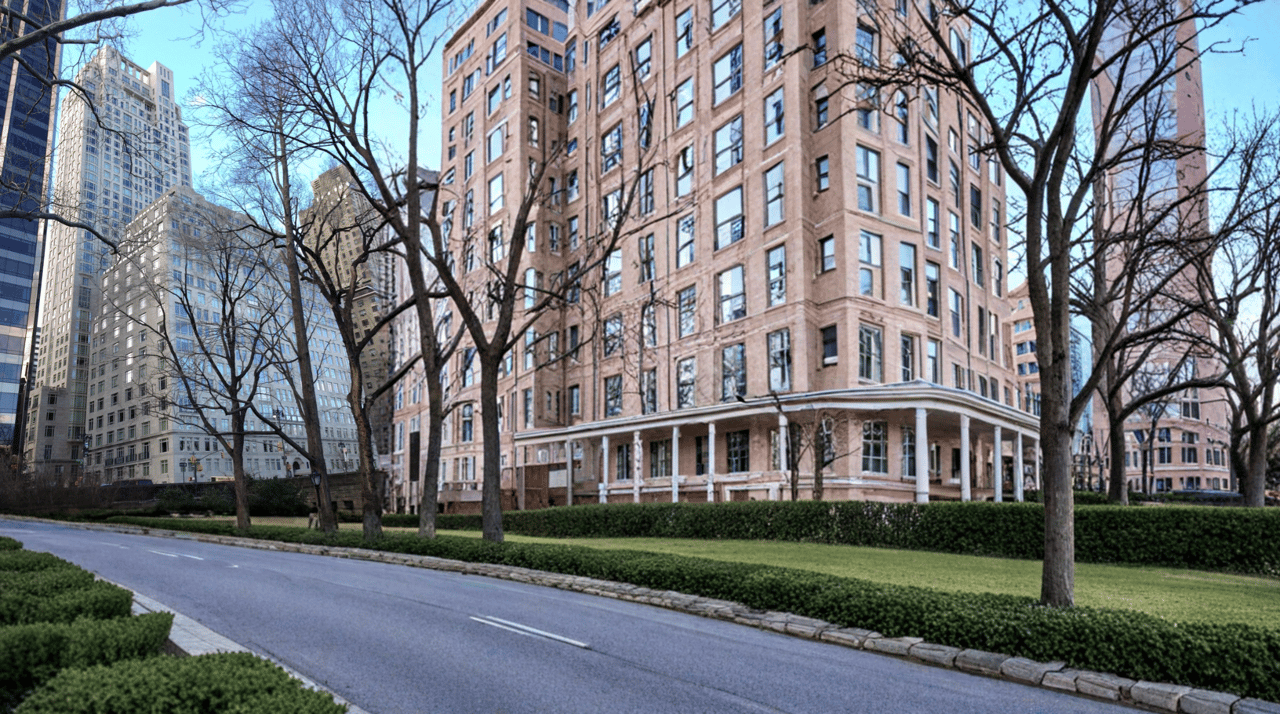
Located on Manhattan's Upper East Side, Carnegie Hill is known for its historic architecture, elegant residential buildings, cultural institutions, and proximity to Central Park. The neighborhood offers a distinctive combination of classic New York charm and modern city convenience.
For buyers considering a home in Manhattan, Carnegie Hill is worth exploring for its variety of residential options, established streetscapes, and access to some of the city's most recognized museums and cultural destinations.
Where Is Carnegie Hill Located?
Carnegie Hill is generally considered part of the Upper East Side, around East 86th to East 96th Streets, between Fifth Avenue and Lexington Avenue. Its precise boundaries can vary depending on the source and context.
Its location provides convenient access to Central Park, Madison Avenue, and the surrounding Upper East Side neighborhoods.
The neighborhood's residential streets offer a quieter atmosphere compared with some of Manhattan's busier commercial districts, while still keeping restaurants, shopping, and public transportation within reach.
A Neighborhood Shaped by New York History
Carnegie Hill takes its name from the former residence of industrialist Andrew Carnegie, built between 1899 and 1903 along Fifth Avenue and East 91st Street.
Today, the mansion houses the Cooper Hewitt, Smithsonian Design Museum.
The neighborhood also has an important architectural history. The Carnegie Hill Historic District was designated in 1974 and expanded in 1993 to help preserve its historically significant buildings and streetscapes.
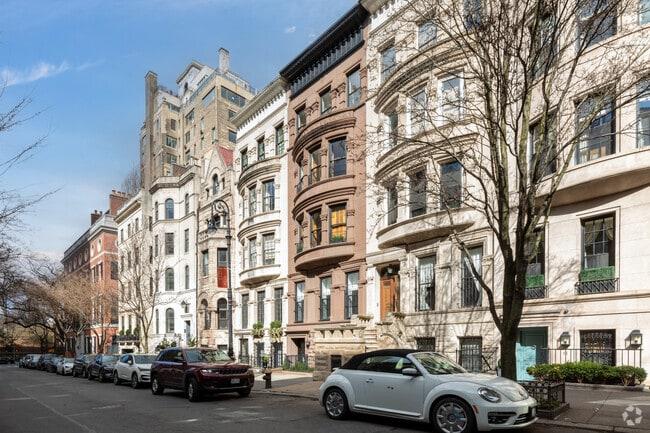
Its architecture reflects several periods of New York development, including late-19th-century rowhouses, grand townhouses, and early-20th-century apartment buildings.
These preserved structures contribute to the neighborhood's recognizable character and residential appeal.
What Types of Homes Can You Find in Carnegie Hill?
One of Carnegie Hill's defining features is its diverse residential architecture. Buyers can explore several types of properties depending on their preferences, space requirements, and budget.
1. Historic Townhouses and Brownstones
The neighborhood features traditional townhouses and brownstones with distinctive facades, detailed architectural elements, and multiple levels of living space.
Some properties retain original architectural details, while others have been renovated to incorporate contemporary kitchens, updated bathrooms, and modern conveniences.
2. Prewar Apartments
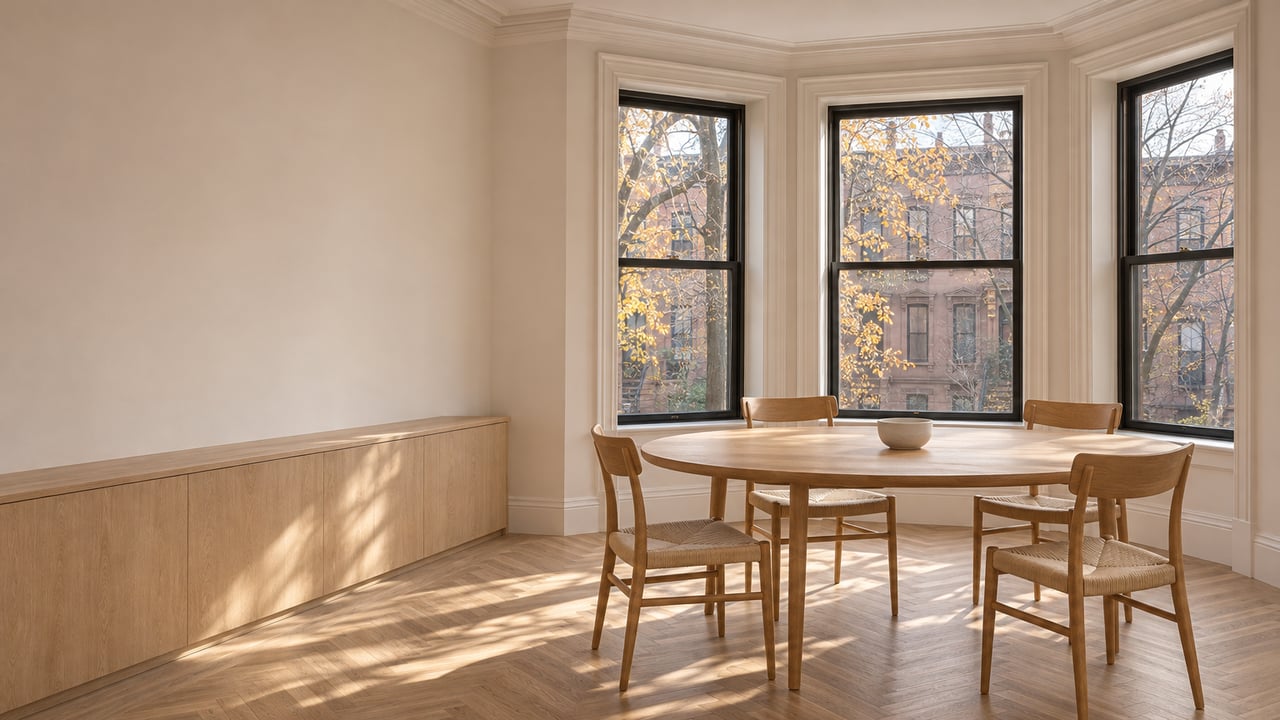
Prewar buildings are an important part of Carnegie Hill's residential character. Many feature high ceilings, hardwood floors, decorative moldings, fireplaces, and generously proportioned rooms.
However, features and layouts vary by building and individual apartment.
3. Condominiums
Condominiums offer an alternative for buyers who prefer individual unit ownership and flexibility. Depending on the property, they may include amenities such as doorman service, fitness facilities, elevators, and resident storage.
4. Cooperative Apartments
Co-ops are also common throughout the Upper East Side. Buyers considering a cooperative should understand that purchasing typically involves a board application and approval process, along with building-specific financial and occupancy requirements.
Cultural Attractions and Museums
Carnegie Hill is particularly appealing to residents who enjoy art, design, history, and cultural experiences.
Several well-known institutions are located along or near Fifth Avenue's Museum Mile.
- Cooper Hewitt, Smithsonian Design Museum: Located in Andrew Carnegie's former mansion, the museum focuses on historic and contemporary design.
- The Jewish Museum: Features exhibitions exploring Jewish art, history, and culture.
- The Solomon R. Guggenheim Museum: Recognized for its distinctive architecture and collections of modern and contemporary art.
- The Metropolitan Museum of Art: One of the world's most recognized art museums, located farther south along Fifth Avenue.
These institutions contribute to the cultural identity of the Upper East Side and provide residents with access to exhibitions, educational programs, and special events.
Parks and Outdoor Spaces
Living near Central Park is another notable advantage of Carnegie Hill's location.
Residents can enjoy walking paths, open lawns, landscaped areas, and recreational spaces throughout the park.
The park offers opportunities for outdoor activities, relaxation, and seasonal experiences without having to leave Manhattan.
For those who prefer smaller neighborhood green spaces, nearby parks and playgrounds provide additional options for outdoor recreation.
Transportation and Everyday Convenience
Carnegie Hill provides access to several public transportation options, depending on the specific block and building.
The 4, 5, and 6 subway lines serve the Lexington Avenue corridor, while the Q line provides another option along Second Avenue.
The neighborhood also has bus routes and convenient connections to other parts of Manhattan.
Madison Avenue and surrounding commercial streets offer restaurants, coffee shops, grocery stores, boutiques, and everyday services.
What Should Buyers Consider Before Purchasing in Carnegie Hill?
Although Carnegie Hill offers a distinctive residential setting, buyers should evaluate individual properties carefully before making a decision.
Here are several factors worth considering:
Building Financials and Monthly Costs
For co-ops and condos, review monthly maintenance or common charges, property taxes, building reserves, and any existing or anticipated assessments.
Building Condition
Older buildings may require additional attention to plumbing, electrical systems, elevators, heating, and other infrastructure.
A professional inspection and review of building records can help identify potential concerns.
Renovation Restrictions
Properties located within designated historic districts may be subject to additional exterior alteration requirements. Buyers planning renovations should verify applicable landmark regulations and building approvals before committing to a project.
Transportation and Location
Consider the distance to subway stations, grocery stores, schools, parks, and other frequently used destinations. Even within the same neighborhood, the location of a particular building can influence daily convenience.
Resale and Long-Term Ownership
Consider the property's layout, building condition, monthly expenses, and overall suitability for your long-term plans. These factors can influence both ownership costs and future resale considerations.
Is Carnegie Hill the Right Neighborhood for You?
Carnegie Hill offers a distinctive Manhattan living experience shaped by historic architecture, cultural destinations, residential streets, and access to Central Park.
Its housing options range from classic prewar apartments and historic townhouses to modern condominiums and cooperative residences.
For buyers who appreciate traditional New York architecture and want to live in an established Upper East Side neighborhood, Carnegie Hill is an area worth considering.
Understanding the differences between its buildings, ownership structures, and residential locations can help buyers make a more informed decision when exploring the Manhattan market.
Finding the right home is about more than choosing an address. It's about finding a neighborhood and property that complement the way you want to live.