In luxury residential real estate, square footage sets the floor price—but the window frame sets the ceiling. Two identical floor plans on the exact same vertical stack can differ in price by hundreds of thousands (or even millions) of dollars based on one variable: what you see when the shades go up.
For high-end buyers, paying a "view premium" isn't merely an emotional choice; it is an equity decision. Understanding how different vistas are valued allows buyers to shop with precision, protect their downside, and buy views that hold their worth over time.
1. Quantifying the View Spectrum
Not all vistas are created equal in the eyes of appraisers or secondary markets. Historically, view premiums break down into three primary categories:
VIEW VALUE TIERING ┌─────────────────────────────────────────────────────────────────┐ │ PARK & GREENERY (Highest Scarcity) ✦ 15% - 30%+ Premium │ ├─────────────────────────────────────────────────────────────────┤ │ WATER & RIVER (Dynamic Horizon) ✦ 10% - 25% Premium │ ├─────────────────────────────────────────────────────────────────┤ │ CIVIC SKYLINE (Urban Energy) ✦ 5% - 12% Premium │
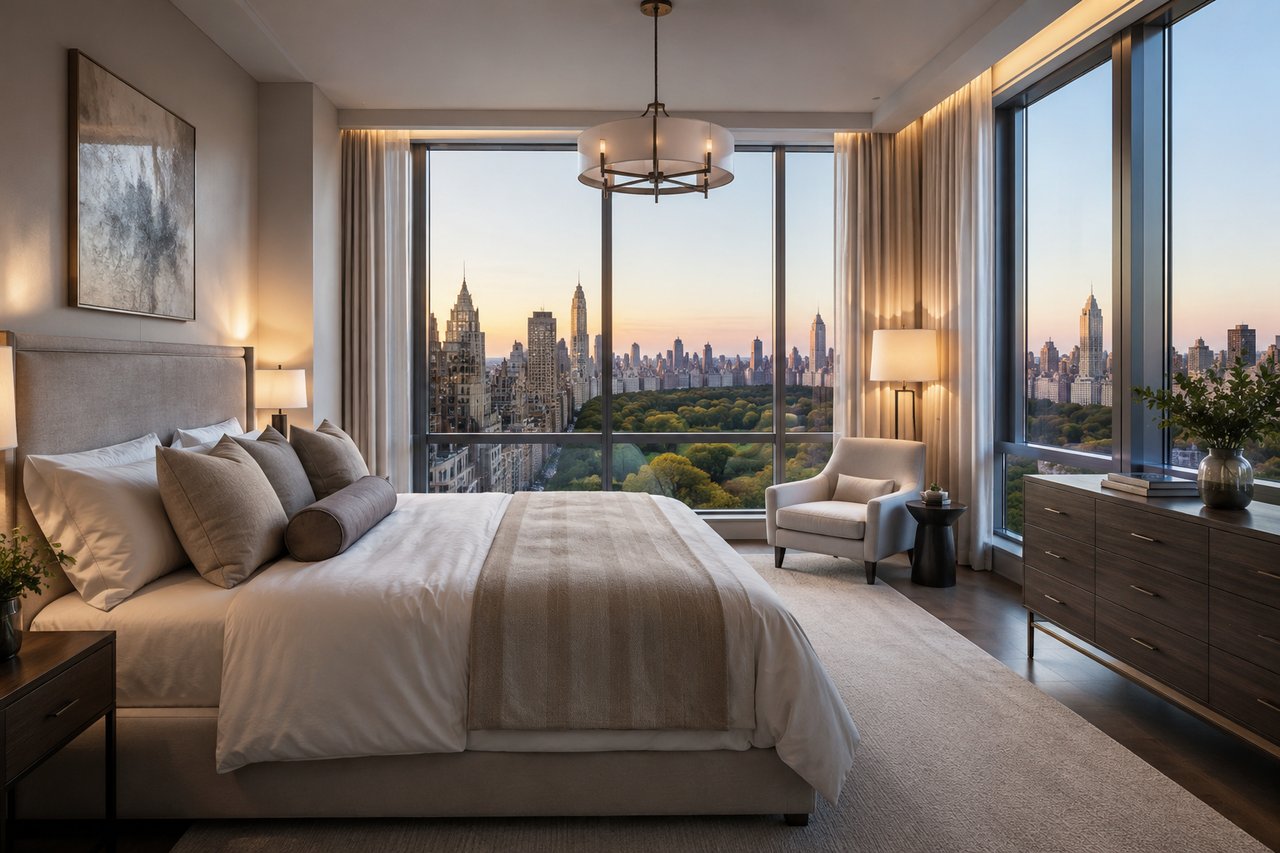
The Park View: The Pinnacle of Scarcity (15% – 30%+ Premium)
Overlooking a major urban sanctuary (such as Central Park, Boston Common, or Lincoln Park) represents the ultimate luxury commodity.
Why Buyers Pay More: Parks offer low-density, protected visual relief. You are guaranteed permanent light, mature foliage, and seasonal beauty.
The Buyer Advantage: Because green space in dense cities cannot be expanded, park-facing units represent ultra-scarce inventory, historically insulating them from broader market downturns.
The Water & River View: The Unobstructed Horizon (10% – 25% Premium)
Waterfront exposures—whether overlooking a river, bay, or lake—introduce open sky, motion, and continuous reflection into the home.
Why Buyers Pay More: Water creates a psychological sense of retreat and expansion. It ensures that no future high-rise will ever rise in front of your primary living spaces.
The Buyer Advantage: Water views command premium rental rates and attract international, high-net-worth buyers who prioritize perpetual air rights.
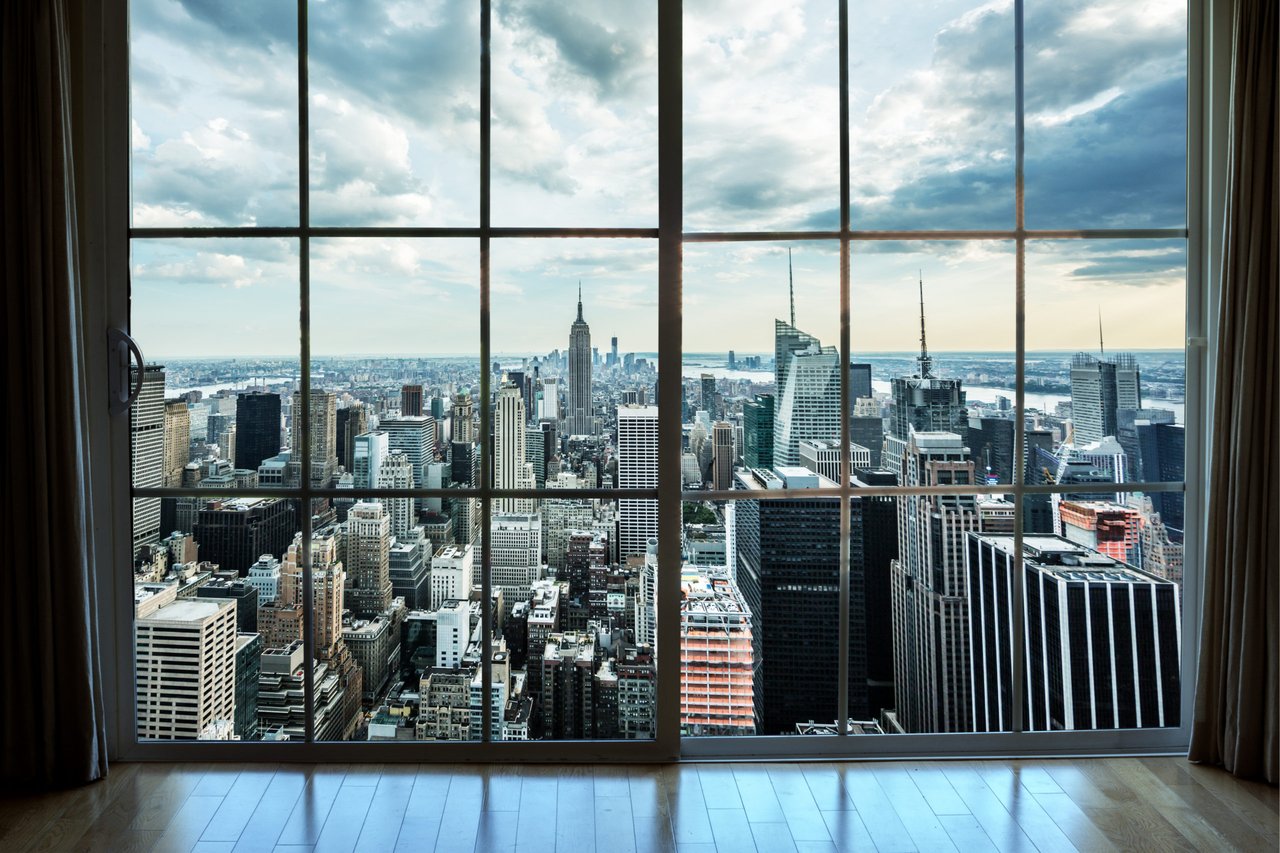
The City Skyline View: Urban Energy & Drama (5% – 12% Premium)
Capturing a dramatic city grid or iconic architectural skyline brings the energy of the metropolis directly into your living room.
Why Buyers Pay More: Skyline views come alive at night. They offer a cinematic background ideal for entertaining.
The Buyer Risk: Unlike public parks or bodies of water, city skylines evolve. A pristine city view today could be partially obstructed by a new development five years from now.
2. Comparing View Profiles
When evaluating luxury residences, understanding how view types stack up against key market factors helps buyers determine where to allocate capital:
View Type | Primary Emotional Draw | Air Rights Security | Resale & Liquidity |
Park / Nature | Tranquility & seasonal colors | Extremely High (Virtually permanent) | Fastest (Constant collector demand) |
River / Waterfront | Open horizon & reflective light | High (Protected by shoreline) | Strong (Universal global appeal) |
Architectural Skyline | Drama & nighttime energy | Variable (Subject to future zoning) | Moderate-High (Depends on height/stack) |
3. The Floor Elevation Factor: The "Vertical Step"
View premiums do not exist in a vacuum—they intersect directly with floor height. In luxury residential towers, prices typically rise by 1% to 3% per floor on identical layouts, accelerating rapidly once a unit clears the surrounding rooflines.
The "Tree Line" Threshold: In park-facing buildings, lower-to-mid floors that sit right at the canopy level often sell for equal or higher premiums than high-floor units that lose the intimate relationship with the trees. Conversely, river and skyline views require elevation to capture the full panorama.
4. Smart Buyer Due Diligence: Protecting Your View Asset
When purchasing a home where a substantial portion of the price tag is tied to what lies beyond the glass, buyers must verify the permanence of that view.
Verify Air Rights & Zoning: Always work with an advisor to review adjacent parcels and local zoning maps. Is the neighboring lot landmarked, or can an assemblage buy floor area ratio (FAR) to build higher?
Evaluate Seasonal Exposure: A park view in summer looks completely different when winter drops the leaves. Inspect the sightlines across all seasons.
Prioritize Main Living Zones: A view that anchors the primary living room and kitchen adds exponentially more daily value than a view tucked away in a guest bedroom or hallway.
The Bottom Line for Buyers
A view is more than a backdrop—it is a finite piece of real estate. By identifying protected exposures, understanding floor elevation thresholds, and targeting scarce vistas, buyers can ensure that the premium paid today yields an unmatched lifestyle and protected value tomorrow.
Ready to Find Your View?
Looking to Secure a Trophy Residence with Protected Views?
Access exclusive, off-market inventory and premier high-floor residences with verified sightlines.
When you buy a view in New York City, you aren't just paying for what you see today—you're investing in protected light, air, and long-term resale power. Whether you are seeking a park-facing prewar residence or a glass-tower penthouse with skyline panoramas. Let’s connect to analyze your prospective building’s zoning, air rights, and true resale value before you make your next move.