Finding a Family-Friendly Home in Manhattan
Raising children in New York City comes with unique opportunities and considerations. Families often look for a neighborhood that offers comfortable living spaces, nearby parks, access to schools, convenient transportation, and activities that children can enjoy throughout the year.
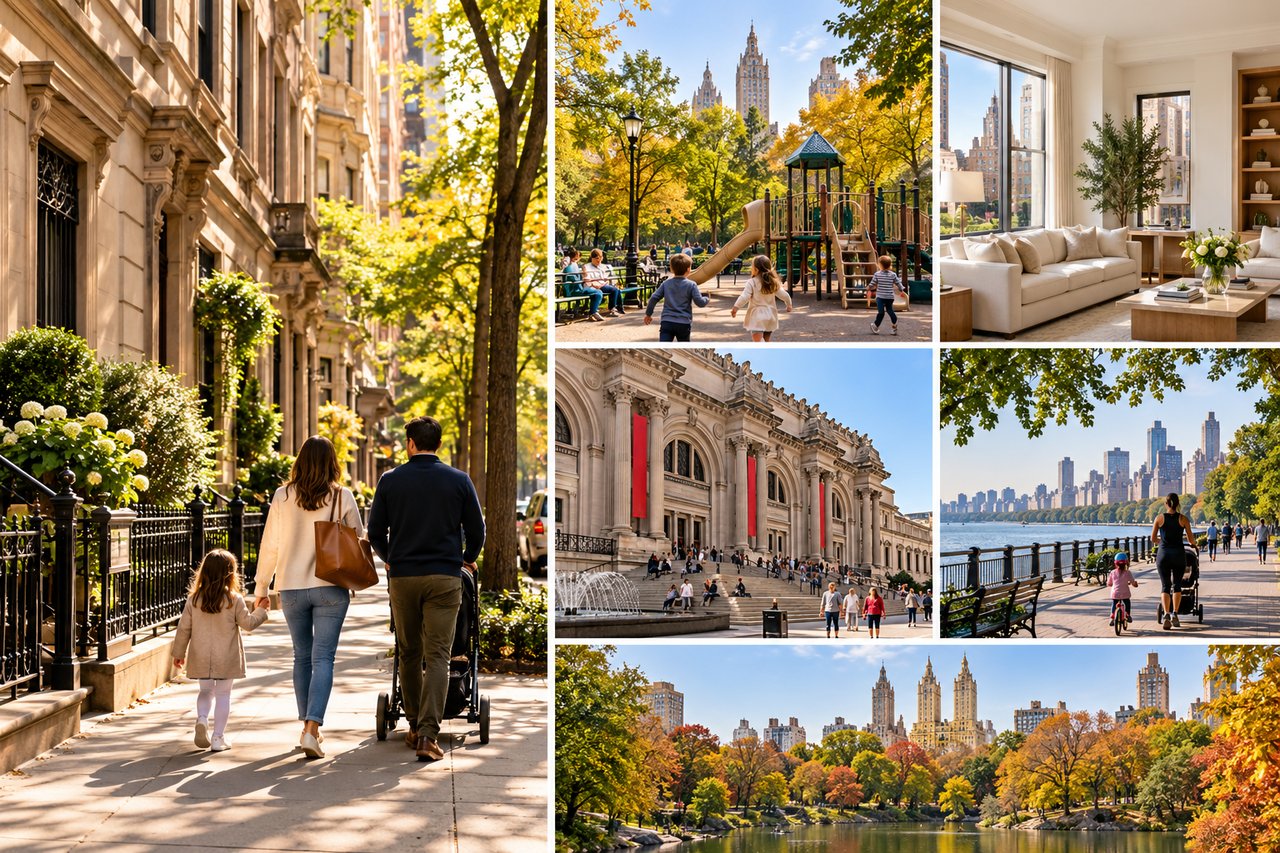
The Upper East Side is worth considering for families who want to experience Manhattan while maintaining a residential neighborhood feel. With Central Park, playgrounds, cultural institutions, neighborhood shops, and a wide variety of apartment buildings, this part of Manhattan offers several features that can make everyday family life more convenient and enjoyable.
Whether you are planning to rent your first family apartment or purchase a home with room to grow, understanding what the Upper East Side offers can help you decide if it fits your family's needs.
1. Easy Access to Parks and Outdoor Activities
One of the Upper East Side's biggest advantages for families is its proximity to green spaces.
Central Park offers room for children to play, families to walk or cycle, and everyone to enjoy time outdoors. Depending on the entrance closest to home, families can also reach playgrounds, lawns, recreational areas, and seasonal activities.
Carl Schurz Park, along the East River, provides another option for outdoor time, with walking paths, landscaped areas, and places to enjoy the waterfront.
For parents, having parks within walking distance can make it easier to plan after-school outings, weekend activities, and quick breaks from apartment living.
Real estate tip: When comparing apartments, look beyond the advertised distance to a park. Walk the route with your family in mind and consider crossings, stroller access, and how convenient the trip would be during a typical weekday.
2. Schools and Learning Opportunities
Families considering a move to the Upper East Side will find public and private school options in and around the neighborhood, as well as libraries, museums, and educational programs.
The area is also home to cultural institutions such as The Metropolitan Museum of Art and the Solomon R. Guggenheim Museum. These destinations offer opportunities for children to discover art, history, and culture outside the classroom.
School options, admission requirements, and eligibility can vary. Families should verify school zoning, enrollment procedures, and current program details directly with the relevant schools or the New York City Department of Education before choosing a home based on school access.
Real estate tip: If school access is a priority, confirm the specific property's school zone and commute before signing a lease or making an offer. A neighborhood's general reputation does not guarantee placement in a particular school.
3. Apartment Options for Growing Families
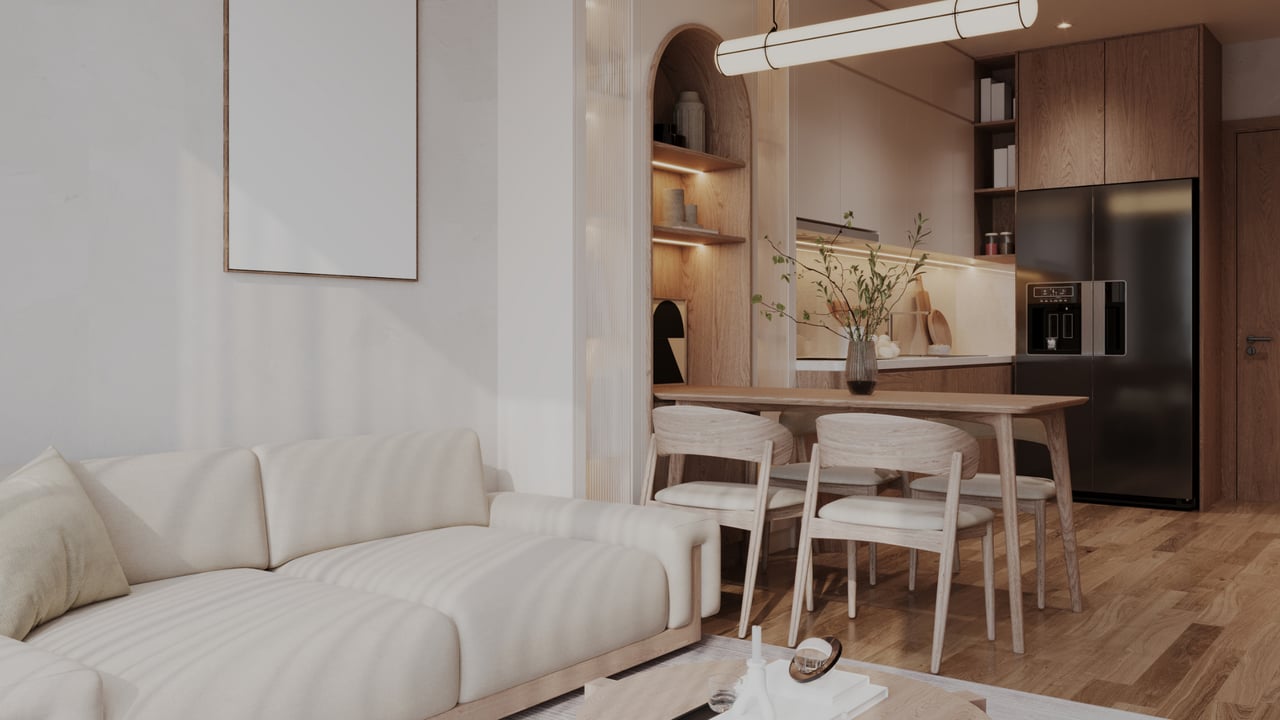
Space is an important consideration when choosing a home with children. The Upper East Side has a varied housing market, including studios, one-bedroom apartments, larger multi-bedroom homes, classic prewar residences, and modern condominiums.
Families may want to prioritize:
- Two- or three-bedroom layouts that provide room for children and a home office.
- Practical storage for strollers, toys, and seasonal belongings.
- Laundry facilities, preferably in-unit when possible.
- Elevators and convenient building entrances.
- Buildings with useful amenities, such as playrooms, outdoor spaces, or fitness facilities.
- Flexible layouts that can adapt as children grow.
Some older apartments offer generous room sizes and traditional layouts, while newer buildings may provide modern conveniences and shared amenities. The best choice depends on your budget, space requirements, and preferred lifestyle.
Real estate tip: Compare the total cost of living in each property, including rent or mortgage payments, common charges or maintenance, utilities, and any building or move-in fees.
4. Everyday Convenience for Parents
Family life often involves balancing school drop-offs, work, grocery shopping, appointments, and after-school activities. The Upper East Side has neighborhood retail corridors with supermarkets, pharmacies, cafés, restaurants, and other daily essentials.
Transportation is another factor to consider. Subway access varies by location, with the Lexington Avenue lines and the Second Avenue subway serving different parts of the neighborhood. Bus routes can also be useful for local trips.
Before choosing an apartment, consider how long it takes to reach your workplace, your children's school or activities, and the places your family visits most often.
A home that makes daily routines easier can be just as valuable as one with impressive finishes or amenities.
5. Family Activities Beyond the Weekend
The Upper East Side offers more than parks and residential streets. Families can explore museums, attend educational programs, visit local libraries, and enjoy seasonal events around Manhattan.
A nearby playground can become part of the daily routine, while museums and cultural attractions offer options for weekends and school holidays.
The neighborhood's mix of residential buildings and local businesses also means families can build familiar routines around nearby cafés, bookstores, restaurants, and shops.
The goal is not simply to live near attractions, but to find a location that supports the way your family wants to spend its time.
6. Which Part of the Upper East Side Should Families Consider?
Different sections of the Upper East Side offer different advantages. The best location depends on your budget, desired apartment size, transportation needs, and preferred surroundings.
Carnegie Hill
Carnegie Hill is known for its historic architecture, residential streets, and proximity to Central Park and Museum Mile. Families who appreciate classic buildings and access to cultural attractions may want to explore this area.
Lenox Hill
Lenox Hill offers access to shopping, restaurants, transportation, and Central Park. Its range of apartment buildings may appeal to families looking for a central location with everyday conveniences nearby.
Yorkville
Yorkville, farther east, has a residential atmosphere, neighborhood businesses, and access to the East River and Carl Schurz Park. Families comparing different price points and building styles may find it worth exploring.
Availability, pricing, and apartment sizes vary across all three areas, so compare individual properties rather than assuming one section will always be more affordable or better suited to families.
7. What Families Should Check Before Renting or Buying
Before committing to a home on the Upper East Side, consider these practical questions:
- Does the apartment have enough bedrooms and storage for your family?
- Is there an elevator, or would stairs be difficult with a stroller?
- How close are the nearest playground, park, grocery store, and transportation options?
- Have you verified school zoning and enrollment requirements?
- Does the building allow children, pets, and any planned renovations or modifications?
- Are the building's policies, fees, and financial obligations clear?
- Does the commute work for the entire household?
For buyers considering a co-op, remember that board approval and building-specific policies may affect the purchase process. For renters, review the lease, application requirements, and building rules before signing.
Taking time to evaluate these details can help you find a home that works for your family beyond the first few months.
Is the Upper East Side Right for Your Family?
The Upper East Side can be an appealing option for families who value access to parks, educational and cultural activities, transportation, and a wide range of residential buildings.
As with any NYC neighborhood, the right fit comes down to your priorities. One family may need a larger apartment near a playground, while another may prefer a shorter commute, a full-service building, or access to a particular school.
Start by identifying your family's essential needs, setting a realistic budget, and exploring different blocks and building types. Seeing the neighborhood in person can help you understand what daily life might look like before making a decision.
Find a Family-Friendly Home in Manhattan
Choosing a home for your family is about more than bedrooms and square footage. It is about finding a neighborhood that supports your daily routines, creates opportunities for children to explore, and feels comfortable for everyone who lives there.
Thinking about moving to the Upper East Side with your family? Get in touch to discuss your goals and explore available NYC homes that suit your family's lifestyle.