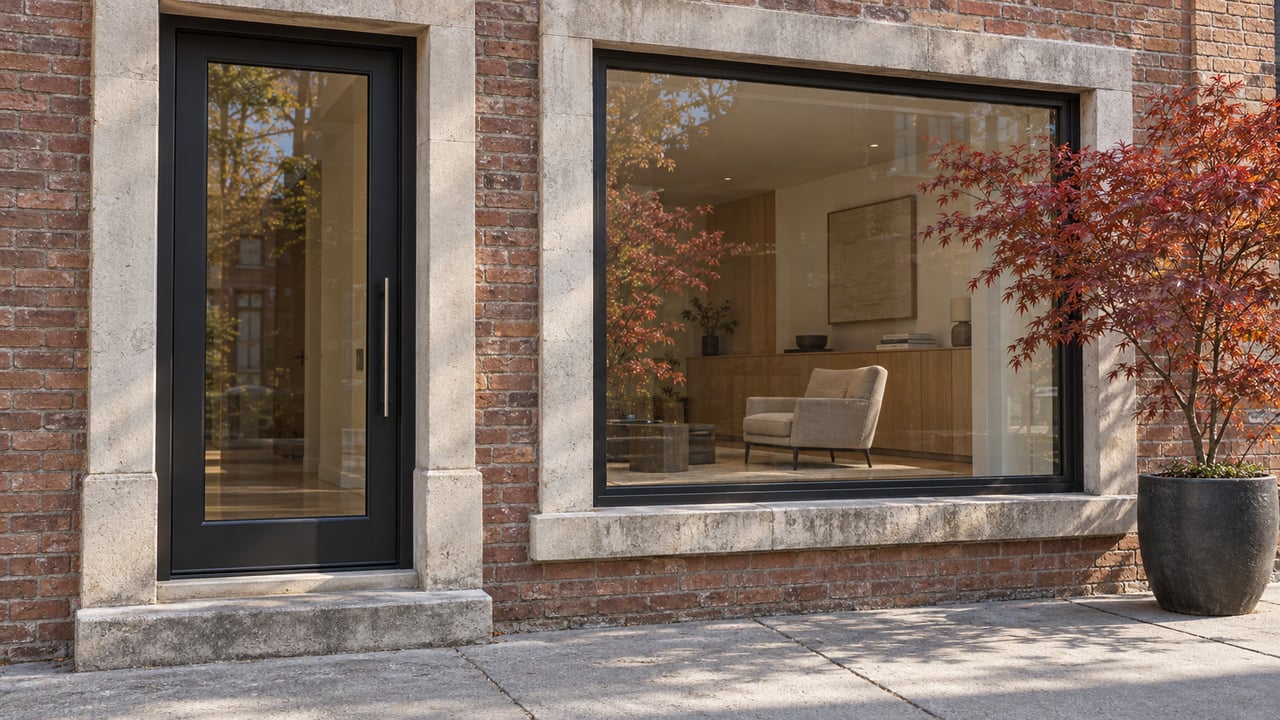
A curious scent, an unexpected architectural detail, and what your building’s materials may reveal about your home.
There are plenty of things that make a New York City apartment memorable: natural light, thoughtful layouts, beautiful finishes, and a welcoming entrance. But what happens when the first thing you notice about a building is a surprising scent of vanilla near the front door?
It may seem like a small detail, but the smells around a home can offer clues about its surroundings, materials, ventilation, and maintenance. While concrete itself is not typically known for smelling like vanilla, the combination of building materials, nearby businesses, and indoor air can sometimes create an unexpected sensory experience.
So, what could be behind that sweet smell?
1. The Concrete Connection: More Than Just a Building Material
Concrete is one of the most recognizable materials in urban architecture. From residential towers along the Hudson River to historic buildings throughout Manhattan, it provides strength, durability, and structural support.
However, concrete is not usually responsible for a vanilla-like fragrance. Fresh concrete has a distinct mineral, earthy, or cement-like odor, while cured concrete is generally relatively odorless.
If a sweet scent appears near a concrete entrance, the source may be something else nearby. Sealants, coatings, adhesives, cleaning products, and other materials used during construction or renovation can release noticeable odors.
In some cases, the scent may also come from a neighboring business or a fragranced product used in the building's lobby.
The takeaway: The materials surrounding a front door can influence how an entrance smells, but a vanilla scent alone does not identify a particular building material.
2. Could It Be Coming From Your Building’s Finishes?
A building's entrance often combines several materials, including concrete, stone, wood, metal, glass, paint, and protective coatings.
Certain finishes, adhesives, and sealants may release volatile organic compounds (VOCs), which are chemicals that can enter the air as gases. Their odors vary depending on the product and how recently it was applied.
Although some products have sweet or distinctive smells, it is not possible to identify a chemical or confirm that a product is safe based on scent alone.
If the vanilla-like smell appeared after a renovation, new flooring installation, painting, or sealing work, it may be worth asking building management what products were used and when.
If the odor is persistent, unusually strong, or accompanied by irritation, improving ventilation and identifying the source should take priority over masking it with fragrance.
3. The Neighborhood Effect: What’s Outside Your Front Door Matters
In a city as dense as New York, the source of a scent may be much closer than you think.
A bakery on the ground floor, a café around the corner, a neighboring restaurant, or even a scented cleaning product used in a shared hallway can influence the smell near your entrance.
Air can travel through open doors, windows, ventilation systems, and gaps between adjoining spaces. Depending on the building's layout, a fragrance from outside may drift into a lobby and linger near the front door.
This is one reason a building can feel different from one visit to the next. The experience of entering a property is shaped not only by its architecture but also by the activity happening around it.
For buyers exploring New York City real estate, the surrounding block deserves as much attention as the apartment itself.
4. Why a Front Door Can Shape Your First Impression
A front door is more than an entry point. It marks the transition from the public world into a private living space.
Architectural details such as lighting, hardware, finishes, landscaping, and lobby design all contribute to that first impression. Scent can play a role, too, because people often associate particular smells with comfort, cleanliness, and familiarity.
A subtle vanilla fragrance might make an entrance feel warm and inviting. However, a pleasant scent should never be treated as proof of good indoor air quality or excellent building maintenance.
When evaluating a property, look beyond the immediate impression. Notice whether the entrance is clean, whether the common areas are well maintained, whether ventilation appears adequate, and whether there are signs of moisture or unexplained odors.
The best first impression is one supported by a well-maintained building.
5. What Homebuyers Should Notice During a Property Tour
When visiting an apartment or condominium, it is easy to focus on square footage, finishes, views, and price. Yet the details around the entrance and common areas can also tell you something about the property's overall condition.
Here are five things worth paying attention to:
- Unusual odors: Notice whether a smell is localized near the entrance or present throughout the building.
- Recent renovations: Ask whether painting, flooring, sealing, or other work was recently completed.
- Ventilation: Pay attention to whether common areas feel stuffy or poorly ventilated.
- Moisture and maintenance: Look for visible water damage, staining, peeling finishes, or other signs that warrant further investigation.
- Building management: Ask questions about maintenance schedules, recent repairs, and how management addresses indoor air concerns.
If a strong or unexplained odor persists, consider asking the seller or building management about it and arranging an appropriate professional inspection when necessary.
These observations are especially useful when comparing properties, because the condition of shared spaces is part of the overall ownership or rental experience.
6. The Real Secret Behind a Welcoming Home
The mystery of a vanilla-scented front door may not lead to a hidden property feature or an unusual concrete formula. More often, the explanation lies in the combination of materials, products, ventilation, and activity surrounding the entrance.
Still, the question highlights something important about real estate: a home is experienced through more than what appears in listing photographs.
Its atmosphere, maintenance, surroundings, and everyday functionality all contribute to how it feels to live there.
Whether you are purchasing your first Manhattan apartment, searching for a larger condominium along the waterfront, or preparing to sell a property, paying attention to the small details can help you make a more informed decision.
Because sometimes, the most interesting thing about a home is not immediately visible. It is the detail that makes you stop, look around, and ask one more question.
Final Thoughts
A vanilla-like scent near a front door can be intriguing, but concrete alone is unlikely to explain it. The source may be a nearby business, a fragranced product, or a material used in recent construction or renovation.
For homebuyers, the lesson is simple: enjoy the details that make a property distinctive, but investigate anything unusual that could affect comfort, maintenance, or indoor air quality.
In New York real estate, the right home is about more than appearances. It is about understanding the full property experience, from the moment you arrive at the front door.
Thinking about buying or selling a New York City property? Working with an experienced real estate professional can help you look beyond the listing photos, ask the right questions, and evaluate the details that matter.