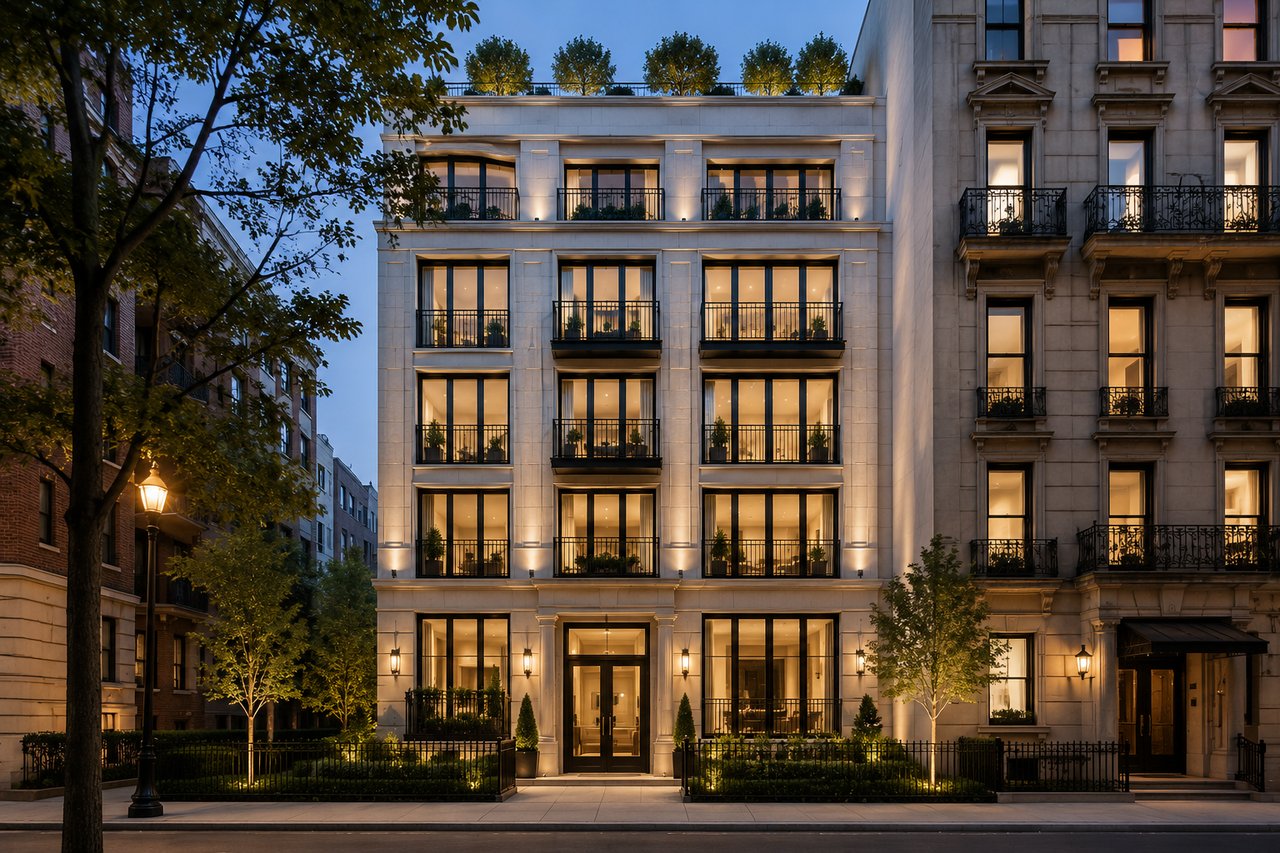
In Manhattan's ultra-luxury residential market, first impressions are not merely emotional—they are analytical. High-net-worth buyers and seasoned real estate investors rarely view a home strictly through an aesthetic lens. Instead, they view a first walkthrough as a rapid audit of quality, maintenance history, and underlying value.
When walking into a high-end condominium or historic co-op, buyers make critical assessments within the first few minutes. Understanding what catches their attention allows sellers to position their properties strategically and helps buyers spot true craft over surface-level staging.
1. Ceiling Height and Architectural Proportions
Before looking at finishes or views, a luxury buyer registers volume. Ceiling height is one of the few structural elements in Manhattan real estate that cannot be modified post-closing.
Vertical Volume: Higher ceilings (10+ feet) instantly communicate grandeur, allow for larger-scale art, and maximize natural light penetration deep into the floor plate.
Door & Window Heights: Standard 8-foot doors inside a soaring space create visual friction. Buyers notice when threshold heights and floor-to-ceiling window openings align seamlessly with the ceiling plane.
2. Acoustic Separation and Quiet Luxury
In a dense urban grid, silence is the ultimate amenity. Within seconds of stepping through the foyer, buyers consciously evaluate the soundscape.
Window Infrastructure: Triple-pane or acoustically laminated glass that seals out street noise, sirens, and river traffic sends an immediate signal of high-spec construction.
Subfloor Insulation & Solid Construction: Solid core doors, heavy brass hardware, and dense subflooring prevent interior echo and eliminate footstep transfer from above, establishing an immediate sense of sanctuary.
3. High-Touch Materials and Precision Millwork
Luxury buyers touch surfaces. They test cabinet doors, feel stone edges, and inspect the precision of architectural reveals.
Detail | Standard Presentation | Luxury Standard |
Millwork & Built-ins | Off-the-shelf or veneered cabinetry with visible seams | Custom architectural millwork with concealed hinges, integrated pull-outs, and precise reveal gaps |
Slab Selection | Seamed tiles or thin, composite stone | Book-matched natural stone slabs (e.g., Calacatta, Taj Mahal) with hand-finished edges |
Hardware & Fixtures | Lightweight plated metals | Solid forged brass, custom unlacquered finishes, and tactile weighting |
4. Mechanical & Smart Infrastructure
Today's luxury buyers look beyond decorative staging to assess a home’s underlying technological framework. Outdated or intrusive HVAC systems raise immediate red flags regarding future capital expenditure.
Concealed Climate Control: Linear slot diffusers and multi-zone VRF (Variable Refrigerant Flow) systems are preferred over loud, protruding wall units or noisy central ductwork.
Integrated Home Automation: Buyers notice streamlined keypads (such as Lutron or Crestron) that centrally govern motor shades, lighting scenes, and climate rather than cluttered banks of light switches.
A Note From Iryna Ferenets
"Drawing on my background in finance and a Master's in Real Estate Development from NYU, I remind my clients that luxury is defined by precision, not pretense. High-net-worth buyers quickly discount properties that rely solely on cosmetic staging to mask outdated infrastructure or poor floor plan execution. When preparing a luxury home for market—or evaluating one for acquisition—we conduct a granular audit of these high-impact touchpoints to ensure the asking price reflects tangible, long-term capital value."
Navigating the Manhattan Luxury Market?
Preparing to List or Searching for Exceptional Value?
Receive a comprehensive valuation audit of your property or a curated portfolio of residences meeting strict quality and architectural standards.



