Thinking about buying a co-op on the Upper West Side but not sure what you’re actually purchasing or how the board approval works? You are not alone. Co-ops are the dominant ownership type in many parts of the neighborhood, which means you’ll often face unique rules, financial reviews, and an interview step. In this guide, you’ll learn how UWS co-ops work, what boards look for, how financing differs, and the steps to move from accepted offer to closing with confidence. Let’s dive in.
Co-op basics: what you actually buy
In a co-op you buy shares in a corporation that owns the building, and you receive the right to occupy your apartment under a proprietary lease. You are purchasing shares and a leasehold, not deeded real property. For a clear primer, see the Investopedia overview of cooperative housing.
Monthly “maintenance” covers your portion of the building’s operating costs. That typically includes staff, common-area utilities, insurance, management, property taxes, and reserve contributions. If the co-op has an underlying mortgage, part of your maintenance goes toward the building’s debt service.
Your use and responsibilities are set by the proprietary lease, bylaws, and house rules. Newer conversions and sponsor units may also be guided by an offering plan. The New York State Attorney General’s consumer guide explains these documents in plain language and is worth bookmarking: Guide to Buying and Owning a Cooperative or Condominium Home.
Flip taxes and capital assessments are common in Manhattan co-ops. A flip tax is a fee some buildings charge at resale. Assessments fund major repairs or improvements. The StreetEasy co-op buying guide provides practical examples of these costs.
Upper West Side norms to know
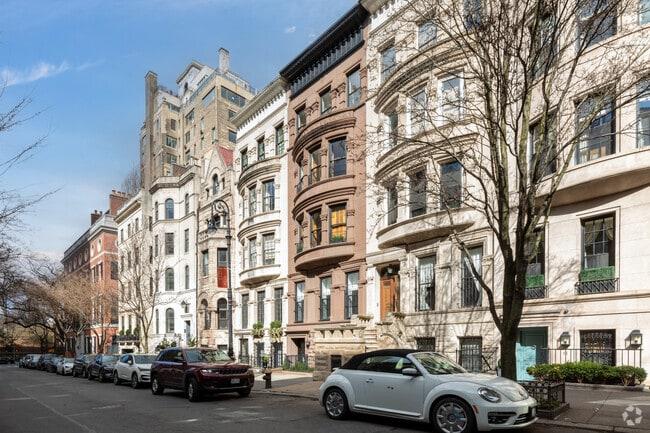
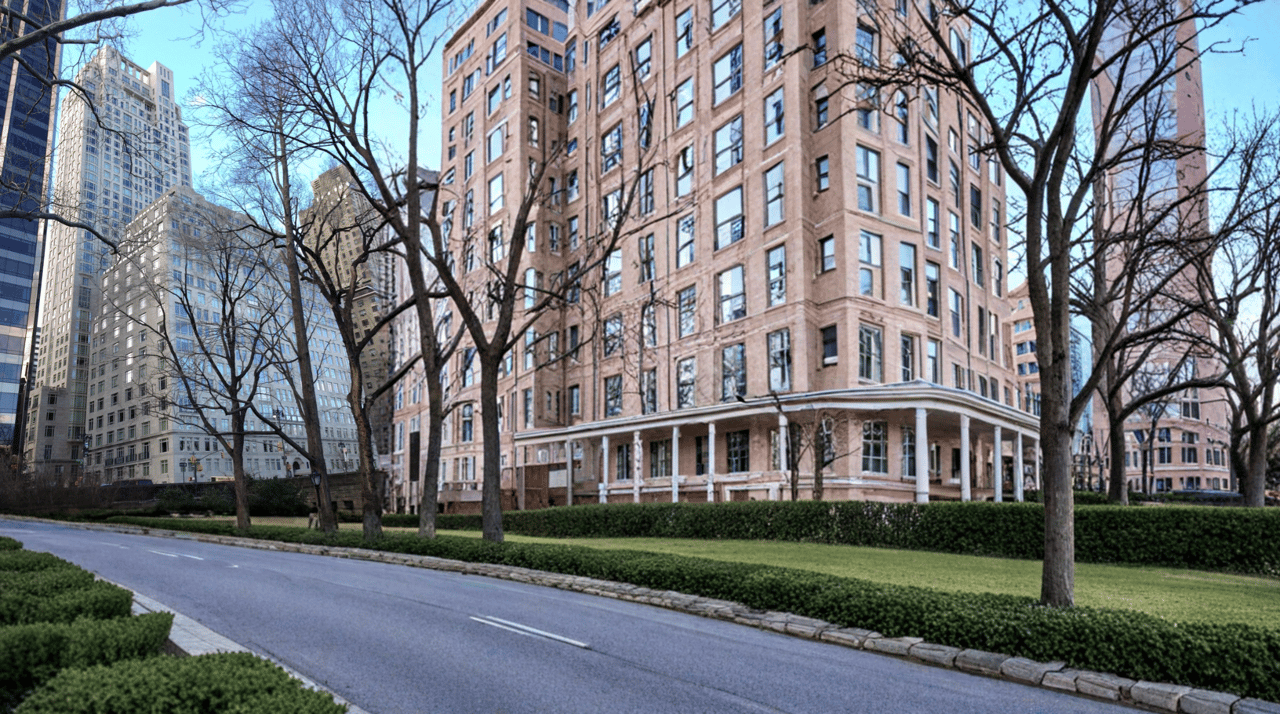
The Upper West Side has a high concentration of prewar co-op buildings, from classic brownstones and mid-rise walkups to full-service elevator buildings. That heritage shapes the neighborhood’s ownership mix and day-to-day culture. Explore the building stock and streetscape in the Upper West Side neighborhood overview.
Amenities often include doorman service, a live-in super, and established staff. Compared with newer condos, some UWS co-ops may offer fewer luxury amenities but can have lower carrying costs depending on the building’s financials. Many boards here are known for careful, conservative review focused on long-term stability, as covered in industry resources such as Cooperator.
What boards review in your package
Expect a thorough application, also called the board package. While documents vary by building, you’ll commonly submit:
- Completed application and a fully executed contract
- Two years of tax returns, recent pay stubs, and an employment letter
- Bank statements and proof of funds for the down payment and reserves
- A recent credit report and authorization for background checks
- Reference letters (professional and personal)
- Photo ID copies and, if financed, a mortgage commitment letter
Boards evaluate your financials, credit, employment stability, and references. They also review intended use, renovation plans, and subletting expectations. For process insights, browse guides and interviews covered by Cooperator.
Financial thresholds: down payment, reserves, ratios
Co-op standards vary by building, but some patterns are common in Manhattan and on the UWS:
- Down payment: Many co-ops require at least 20 percent down. Some conservative or high-end buildings require 25 to 50 percent or more.
- Post-closing liquidity: It is common to show several months to two years of housing costs (mortgage plus maintenance) available in liquid assets after closing.
- Debt and credit: Boards look for manageable debt-to-income and solid credit histories. Significant credit issues, recent bankruptcy, or unresolved tax liens are frequent reasons for denial.
If you plan to finance, note that not all lenders do co-op loans. Terms and underwriting can differ from condo loans. See Bankrate’s co-op loans guide for key differences.
The board interview, timing, and expectations
Most UWS co-ops include a board interview. The tone ranges from friendly to formal, but the goal is consistent: confirm your financial profile, understand your plans, and ensure your expectations align with building rules. You may be asked about your role and employer, reasons for buying, household composition, renovation timing, and whether you plan to sublet later.
Timing varies by building. Once your package is deemed complete, many boards take roughly 2 to 6 weeks to review and schedule interviews, though calendars and follow-up questions can extend that timeline. The StreetEasy co-op buying guide outlines common steps and timing.
How co-op closings work on the UWS
A co-op closing transfers corporate shares and the proprietary lease, not a deed. Board approval is required before the corporation updates its records and issues your stock certificate. An attorney who handles NYC co-ops will coordinate the transfer, closing costs, and any building-specific steps. The Attorney General’s consumer guide explains this structure and the governing documents.
Common one-time costs include legal fees, potential transfer or move-in fees, and a flip tax if applicable. Recurring costs include monthly maintenance and any special assessments. Model your post-closing cash flow across mortgage, maintenance, and reserves so you have a clear picture of affordability.
Lender and building due diligence
Choose a lender that regularly underwrites Manhattan co-op loans. Some building policies, such as sublet caps or reserve requirements, can affect financing. Lenders also review building financials and any underlying mortgage. Learn what to expect in Bankrate’s guidance on co-op loans.
During attorney due diligence, you should review:
- Financial statements, reserve fund levels, and any underlying mortgage
- Recent and planned capital projects, plus assessment history
- Proprietary lease, bylaws, house rules, and sublet policies
- Any pending litigation or shareholder meeting notes about upcoming work
For practical checklists and building governance topics, consult resources like Cooperator and the state’s consumer guide.
Subletting and renovation rules
Many UWS co-ops limit subletting. Some require a minimum period of owner occupancy before sublets, set annual limits, or cap the percentage of units that can be rented. Renovations usually require board review and permits. Plan your renovation timeline with the building’s approval process in mind, and verify rules in the proprietary lease and house rules. The StreetEasy co-op guide and Cooperator cover these topics in plain terms.
First-time buyer checklist
Use this quick list to stay organized and reduce surprises:
Prepare early
- Get pre-approved by a lender experienced with Manhattan co-ops.
- Assemble likely board docs: 2 years of tax returns, bank statements, employment letter, references, photo ID.
- Ask your agent to confirm building requirements for down payment, reserves, subletting, and any flip tax.
Negotiate and verify
- Include contingencies aligned to co-op timelines, such as financing and board approval.
- Have your attorney review the proprietary lease, bylaws, house rules, offering plan if applicable, financials, and recent meeting notes.
- Confirm the board package review and interview schedule with the managing agent.
Prepare for the interview
- Bring requested originals, answer clearly, and keep responses concise.
- Be upfront about renovation plans and any future subletting intentions. Align your plans to the rules.
Watch for red flags
- Low reserves with rising maintenance, frequent or large assessments, multiple years of operating deficits, pending litigation, or a large underlying mortgage with near-term maturities.
Co-op vs condo: when to compare
If flexibility is your priority, a condo can be simpler to finance and easier to rent out later. If value and long-term stability matter more, a co-op may offer a lower entry price with a strong community framework. As the StreetEasy co-op guide notes, the tradeoff is clear: co-ops often have tighter rules and more review, while condos tend to have more flexibility. Compare total cost of ownership and your lifestyle plans before deciding.
How a local advisor helps
A seasoned UWS advisor can help you target buildings that match your down payment, reserve profile, and timing. You get guidance on crafting a clean board package, navigating due diligence, coordinating with your lender and attorney, and setting realistic expectations for approval and closing. If you prefer communication in English, Russian, or Ukrainian, that support can make each step more efficient and less stressful.
Ready to find the right Upper West Side co-op and move through approval with confidence? Connect with Iryna Ferenets for expert, end-to-end guidance.
FAQs
How long does Upper West Side co-op board approval take?
- Many boards review complete packages in about 2 to 6 weeks, but interviews, follow-up requests, and meeting schedules can extend the timeline.
What down payment do UWS co-ops usually require?
- Requirements vary, but many co-ops ask for at least 20 percent down, and some conservative buildings require 25 to 50 percent or more.
Do I need post-closing reserves for a UWS co-op?
- Often yes; many boards expect several months to as much as 1 to 2 years of combined mortgage and maintenance available in liquid assets after closing.
Can I rent out my UWS co-op later?
- It depends on the building’s sublet policy; some allow subletting after an initial ownership period with board approval, while others limit or prohibit it.
How are co-op costs different from condos on the UWS?
- Co-ops often include property taxes within monthly maintenance and may have lower purchase prices, but they can carry flip taxes, assessments, and stricter rules that affect flexibility.
Who manages a co-op closing in Manhattan?
- Your attorney coordinates with the seller’s attorney and the building’s attorney or managing agent to transfer shares, update records, and deliver the proprietary lease.