Choosing between a loft conversion and a new development in Williamsburg can feel harder than it looks. On paper, both can offer great locations, strong resale potential, and stylish interiors, but the living experience can be very different. If you are trying to decide which type of home fits your lifestyle, budget, and long-term goals, this guide will help you compare the details that matter most. Let’s dive in.
Williamsburg Offers Two Distinct Paths
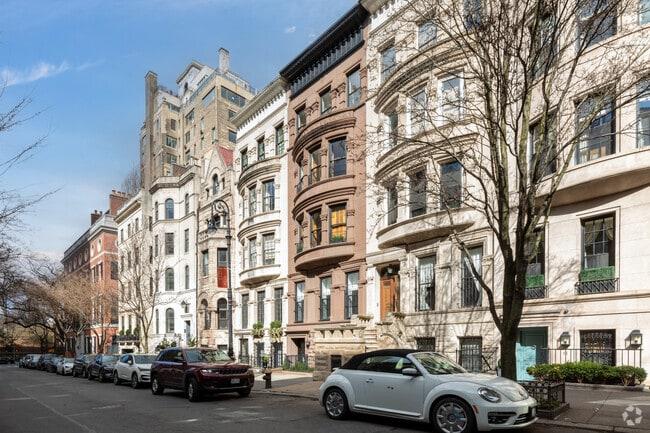
Williamsburg remains one of Brooklyn’s premium submarkets, with StreetEasy neighborhood data showing a 2025 median asking price near $1.67M and a median asking rent of $4,750. The neighborhood includes a broad mix of new construction, brownstones, prewar buildings, and historic buildings, which gives buyers more than one path into the market.
That choice often comes down to two very different products: true loft conversions and new development condos. In simple terms, loft conversions tend to offer character, scale, and architectural history, while new developments often offer convenience, amenities, and more predictable finishes.
What Counts as a Loft Conversion
In Williamsburg, a true loft conversion usually begins with an industrial building such as a factory or warehouse that was later adapted for residential use. These homes often carry details that are hard to recreate in newer buildings.
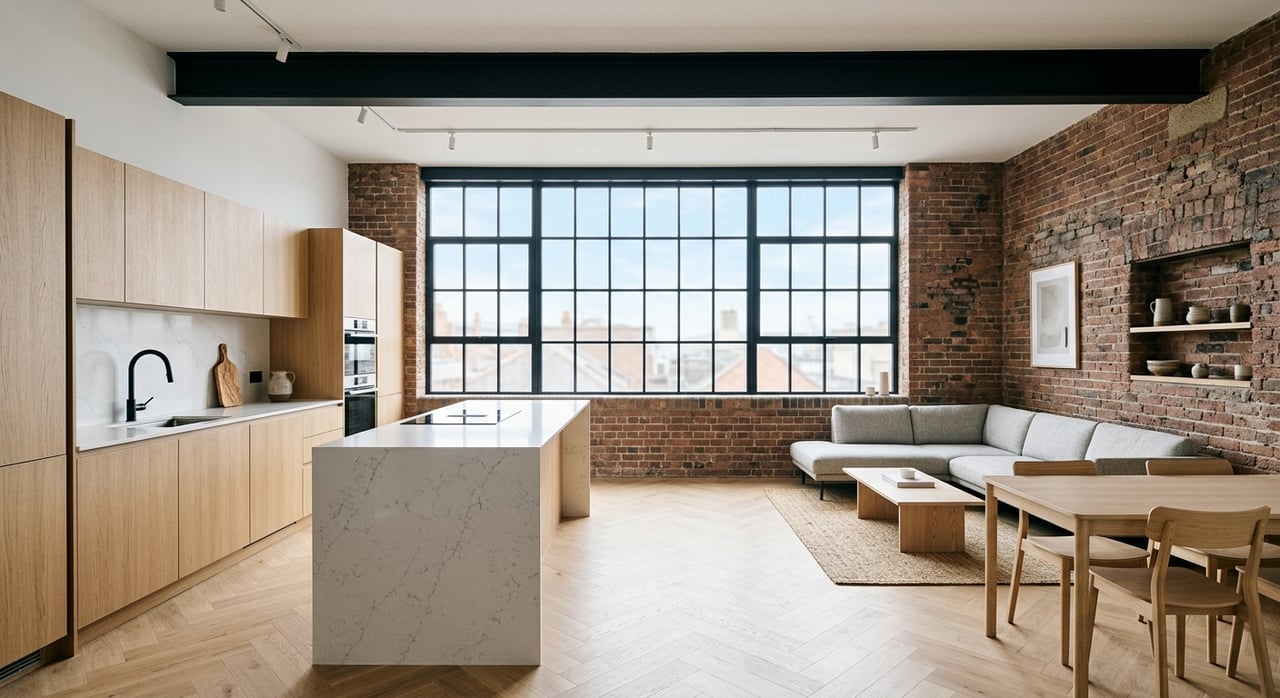
StreetEasy examples show what buyers are drawn to. The Mill Building, originally built in 1910, is described as a true loft conversion with 15-foot ceilings, exposed brick, wood columns and beams, and large windows. Factory Lofts, also dating to 1910, features open layouts, soaring ceilings, exposed brick, arched windows, and walnut floors.
Other examples reinforce the point. Berry Street Lofts began as a knitting factory, while 330 Wythe Avenue was a 1914 shoe-polish factory later converted with 18-foot ceilings, exposed brick, poured concrete floors, and flexible open space. These buildings often feel more individual and less standardized than a newly built condo.
Loft Style Is Not Always a True Loft
This is where many buyers need to slow down. Some newer condos are designed to feel loft-like, but that does not make them historic conversions.
If you want the real thing, check the building’s construction date, original use, certificate of occupancy, and overall building profile. That distinction matters because a true conversion and a loft-inspired condo can offer very different ownership experiences.
What Defines New Development in Williamsburg
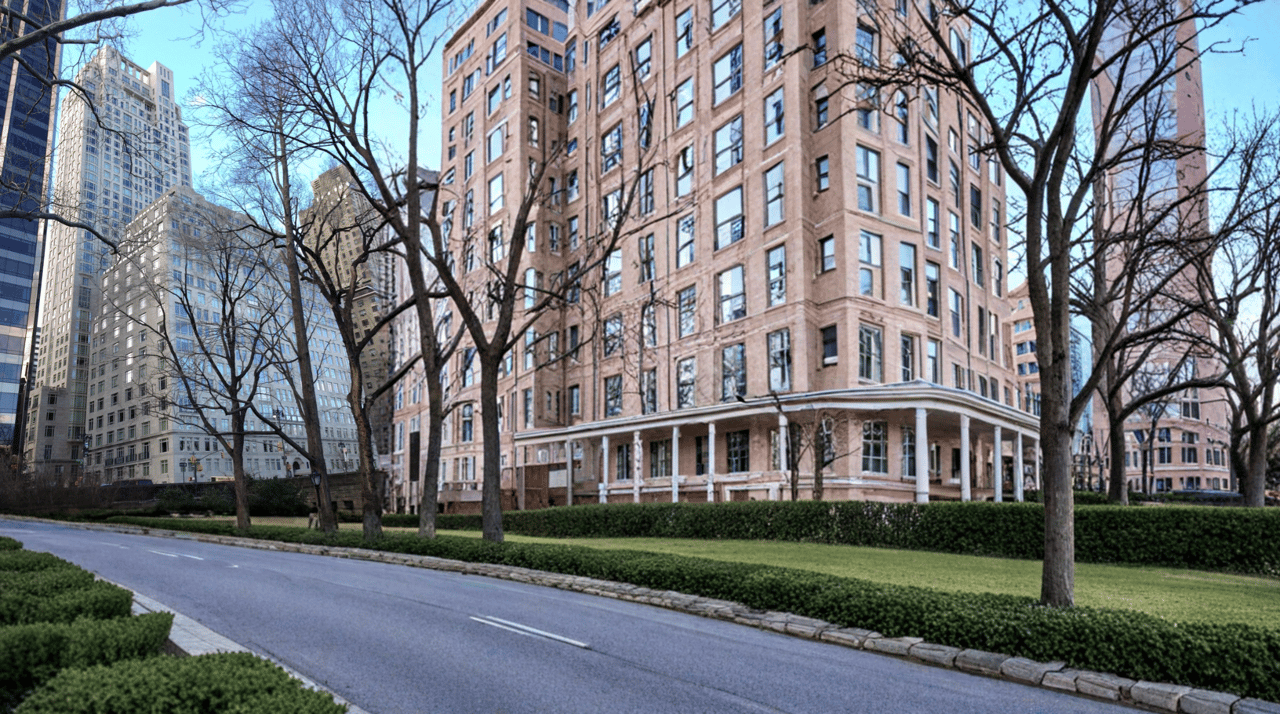
New development in Williamsburg is closely tied to the neighborhood’s waterfront redevelopment. NYC Planning states that the 2005 Greenpoint-Williamsburg plan rezoned roughly two miles of Brooklyn waterfront for residential use, required new public open space, and helped produce thousands of new housing units.
That planning history helps explain why newer condos in Williamsburg often feel polished and service-oriented. They were built to serve buyers looking for updated systems, elevator access, and a more turnkey day-to-day experience.
One Domino Square is a strong example. Completed in 2024, it is a 45-story, 160-unit tower with more than 45,000 square feet of amenities, including indoor and outdoor pools, doorman and concierge service, a gym, a media room, and a roof deck.
The newer condo category is not limited to large towers. The Residences at The Williamsburg, built in 2011, offers floor-to-ceiling windows, quartz counters, central air, in-unit washer and dryer, and a full amenity package that includes a pool, doorman, concierge, gym, parking, and outdoor space. At the boutique end, 129 Meserole Street shows how smaller new developments can still offer modern construction and tax benefits.
Character vs Convenience
The clearest way to compare loft conversions and new development in Williamsburg is to think about character versus convenience. That does not mean one is better. It means each serves a different kind of buyer.
Loft conversions often appeal to buyers who want volume, texture, and a home that feels one-of-a-kind. Features like exposed brick, timber beams, poured concrete floors, oversized windows, and dramatic ceiling heights can create a strong sense of place.
New developments usually appeal to buyers who want a smoother, more predictable ownership experience. You may get central air, newer systems, modern kitchens and baths, package handling, elevator service, a gym, parking, and more straightforward move-in logistics.
Layout and Feel Matter More Than Labels
When you tour properties, the label on the listing only tells part of the story. What matters more is how the home actually lives.
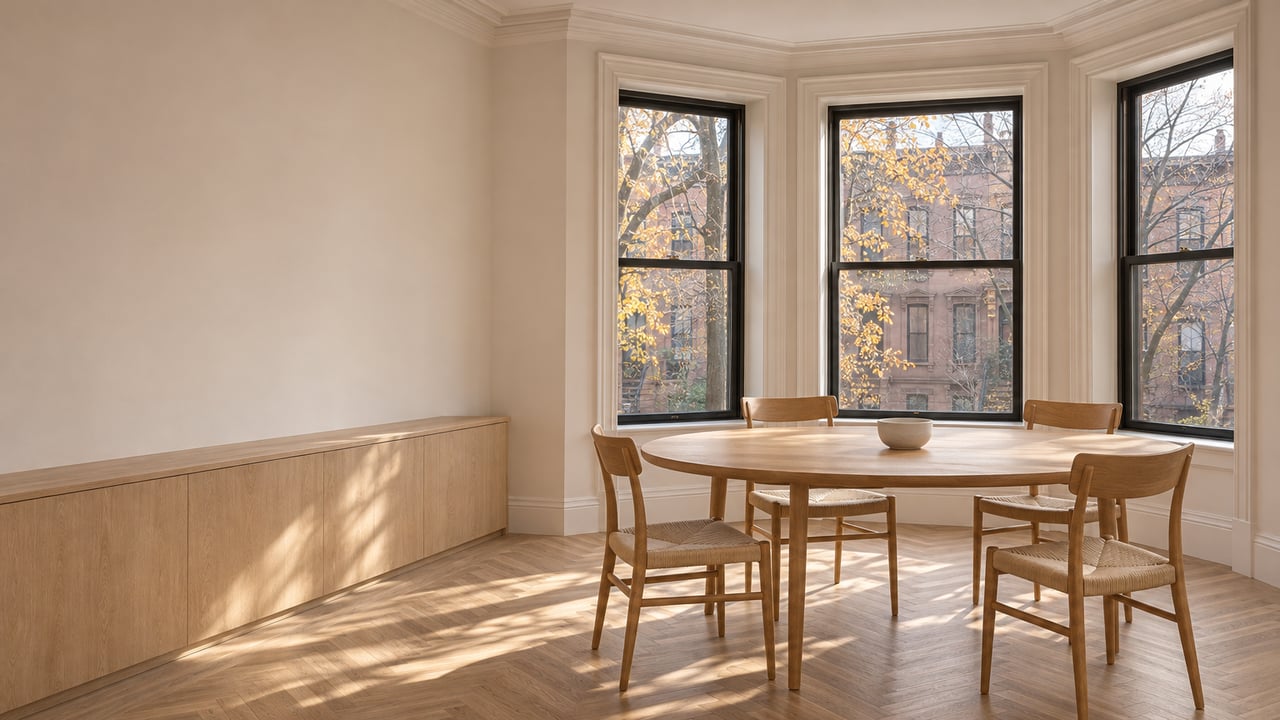
Loft conversions often have open layouts and flexible interior space. That can be a major plus if you value room to customize how you live or work, but it may also mean a layout feels less compartmentalized than a more conventional condo floor plan.
New developments often deliver more defined room layouts and more standardized finishes. For some buyers, that predictability feels efficient and easy. For others, it can feel less distinctive than a converted industrial space.
Features Worth Comparing Side by Side
If you are deciding between two listings, focus on the factors that most clearly separate the two building types:
- Ceiling height
- Window exposure
- Open versus compartmentalized floor plan
- Finish level
- Central air
- In-unit washer and dryer
- Common charges
- Real estate taxes
- Tax abatements
- Parking
- Storage
- Whether the building is a true conversion or ground-up condo
This kind of comparison usually gives you a clearer answer than simply asking whether a home is old or new.
Carrying Costs Are Not as Simple as You Think
Many buyers assume new development always means higher monthly costs. In Williamsburg, the reality is more nuanced.
Recent listings show that both loft conversions and new condos can have attractive or expensive monthly ownership costs depending on what is included. The better approach is to compare the total monthly burden, not just one line item.
For example, 129 Meserole Street advertises a 15-year 421-a tax abatement and says gas, heat, and water are included in common charges. A listing at 190 South 1st Street states that common charges include two indoor parking spaces and three storage spaces, while the building also offers a part-time doorman, gym, terrace garden, storage, and parking, with 12 years remaining on its tax abatement.
Converted loft buildings can also show favorable numbers. Berry Street Lofts advertises low common charges and a J-51 tax abatement. At 330 Wythe Avenue, listings describe very low common charges, and 156 Broadway shows common charges of $379 per month and taxes of $412 per month in a duplex loft with 16-foot ceilings and exposed brick.
What to Review Before You Buy
Instead of asking which category is cheaper, ask these questions:
- What are the monthly common charges?
- What are the current real estate taxes?
- Is there a tax abatement in place?
- Are utilities included in common charges?
- Does the monthly cost include parking or storage?
- Are you paying for a large amenity package you may not use?
That framework gives you a much more accurate picture of affordability.
Legal Status Matters in Loft Buildings
If you are considering a historic loft conversion, legal status deserves close attention. The NYC Loft Board regulates the conversion of certain former commercial and manufacturing buildings into residential use.
Under the Loft Law, qualifying buildings are treated as interim multiple dwellings and must be brought up to residential code standards before legalization is complete. That means buyers should not assume every former industrial building is in the same legal position.
For a buyer, the practical takeaway is simple. Verify whether the property is a completed residential conversion or whether the building is still regulated as an interim multiple dwelling. You should also confirm the certificate of occupancy and overall building status as part of your due diligence.
Resale Depends on Buyer Match
A common question is whether loft conversions or new developments resell better in Williamsburg. There is no universal answer.
Both product types can command strong prices because Williamsburg itself remains a high-demand neighborhood. The difference is usually the buyer pool.
Loft conversions often attract buyers looking for authenticity, flexible space, and design character. New developments often attract buyers who value turnkey finishes, amenities, elevators, package rooms, parking, and lower-friction ownership.
The strongest resale outcome often comes from buying the property that best matches the likely buyer at that price point. In practice, layout, light, monthly costs, and amenity set usually matter more than broad assumptions about old versus new.
Which Option Fits You Best
If you are drawn to industrial architecture, dramatic ceiling height, and a home with more visual personality, a loft conversion may be the better fit. If you are comfortable doing more due diligence and want a home that feels less standardized, that path can be very rewarding.
If you prefer modern systems, a cleaner move-in experience, and amenities that support your daily routine, new development may make more sense. This can be especially appealing if you want a more predictable ownership experience from day one.
In Williamsburg, the right decision is rarely about following a trend. It is about aligning the property with how you want to live, what you want to spend each month, and what kind of resale audience you may want later.
If you want help comparing Williamsburg loft conversions and new development condos with a clear, numbers-driven approach, Iryna Ferenets can help you evaluate layout, carrying costs, building status, and long-term fit with confidence.
FAQs
What is the difference between a Williamsburg loft conversion and a new development condo?
- A loft conversion is usually a former industrial building, such as a factory or warehouse, that was adapted for residential use, while a new development condo is a more recently built residential property with newer systems and often more amenities.
Are all loft-style homes in Williamsburg true loft conversions?
- No. Some newer condos are designed with loft-like finishes or open layouts, so you should verify the building’s construction date, original use, certificate of occupancy, and overall history.
Do new developments in Williamsburg always have higher monthly costs?
- No. Monthly costs vary in both categories based on taxes, common charges, tax abatements, utilities, parking, storage, and amenity packages.
What should buyers verify before purchasing a Williamsburg loft conversion?
- Buyers should confirm whether the building is a completed residential conversion or still an interim multiple dwelling, and they should verify the certificate of occupancy and building status.
Which resells better in Williamsburg: loft conversions or new development?
- Neither is automatically better. Resale strength usually depends on how well the home’s layout, light, monthly costs, and amenities match the buyer pool at that price point.