If you are trying to picture day-to-day life with a growing household in Brooklyn, Park Slope probably comes up early in your search. There is a reason for that. The neighborhood combines a stable residential feel, strong access to parks and daily errands, and a transit-first lifestyle that already works for many households with children. Let’s dive in.
Why Park Slope stands out
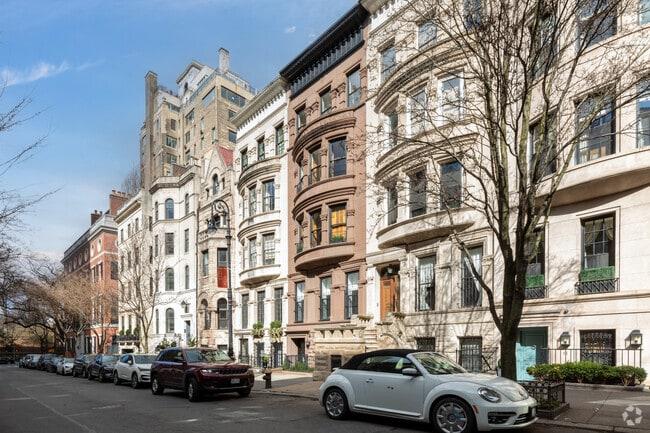
Park Slope has a long-established residential identity that still shapes how it feels today. The Landmarks Preservation Commission describes the area as cohesive, tree-lined, and predominantly residential, with a strong architectural character that has been protected for decades.
That matters when you are thinking beyond a single apartment or townhouse and focusing on how a neighborhood supports your routine over time. A place with consistent scale and a clear street pattern often feels easier to learn, easier to navigate, and easier to grow into.
The broader Park Slope and Carroll Gardens profile from NYU’s Furman Center also helps explain the appeal. In 2024, 28.9% of households had children under 18, which suggests that many households are already building family routines here.
At the same time, Park Slope is not a low-cost option. The same profile reported a median household income of $188,730 and a median gross rent of $2,900, so affordability is part of the conversation from the start.
What daily life feels like
For many buyers and renters, the real test of a neighborhood is not just what it looks like on a weekend afternoon. It is how smoothly a regular Tuesday works. In Park Slope, daily life tends to revolve around walkable errands, park access, transit stops, and neighborhood institutions.
That rhythm is one reason the area often appeals to growing households. Instead of planning every trip around a car, many residents can structure the day around a short walk to a train, bus, library, grocery option, or outdoor space.
The Furman Center profile supports that pattern. It found that 86.2% of commuters use a car-free commute, with a mean travel time to work of 38.0 minutes.
Prospect Park adds real breathing room
Prospect Park is one of the biggest advantages of living nearby. Prospect Park Alliance describes it as 585 acres of green space with Brooklyn’s only lake and last remaining upland forest.
For households with children, this is more than scenic value. The park includes family-oriented destinations like the Children’s Corner, the historic Carousel, and the LeFrak Center at Lakeside.
The Children’s Corner area also includes the Prospect Park Zoo and Lefferts Historic House. That gives you more than just open lawn space. It creates repeatable weekend plans and easy outdoor time close to home.
Errands and routines are highly local
Park Slope supports a neighborhood-based errand routine that many households value. GrowNYC’s Bartel-Pritchard Square Greenmarket operates year-round on Wednesdays and seasonally on Sundays, giving residents a regular source for local shopping.
The area also includes the Park Slope Food Co-op in the neighborhood food-market mix identified by the Park Slope Fifth Avenue BID. Together, those options reinforce the idea that many everyday needs can be handled locally and on foot.
If your ideal routine includes picking up groceries, walking to a park, and staying close to home for much of the day, Park Slope aligns well with that pattern. It is a neighborhood where convenience often means proximity and walkability, not parking lots and long drives.
Library and civic life matter here
Growing households often look beyond square footage. You may also be thinking about how much support a neighborhood offers for learning, programming, and community connection.
The Park Slope branch of the Brooklyn Public Library is part of that picture. Brooklyn Public Library describes it as a historic building with features like stained glass, fireplaces, a garden, and a Knuffle Bunny statue, and notes that it reopened after renovation with ADA upgrades and a multipurpose room for meetings and programs.
That kind of local institution can shape everyday life in subtle but important ways. It gives you another destination close to home and another layer of neighborhood activity that is not tied to shopping or commuting.
The Park Slope Fifth Avenue BID adds to that civic rhythm. Its published programming includes events such as the Fabulous Fifth Avenue Fair, Brooklyn Pride, tree lighting, and menorah lighting, while its family resources point residents toward daycare, arts and recreation, library services, and neighborhood organizations.
Housing options vary by block
One of the biggest misconceptions about Park Slope is that every home looks and lives the same. In reality, the housing stock changes depending on where you focus.
The historic districts are described by the Landmarks Preservation Commission as consisting mainly of single-family row houses and flats buildings, with some mixed-use buildings that include commercial ground floors. That creates the classic brownstone image many people associate with the neighborhood.
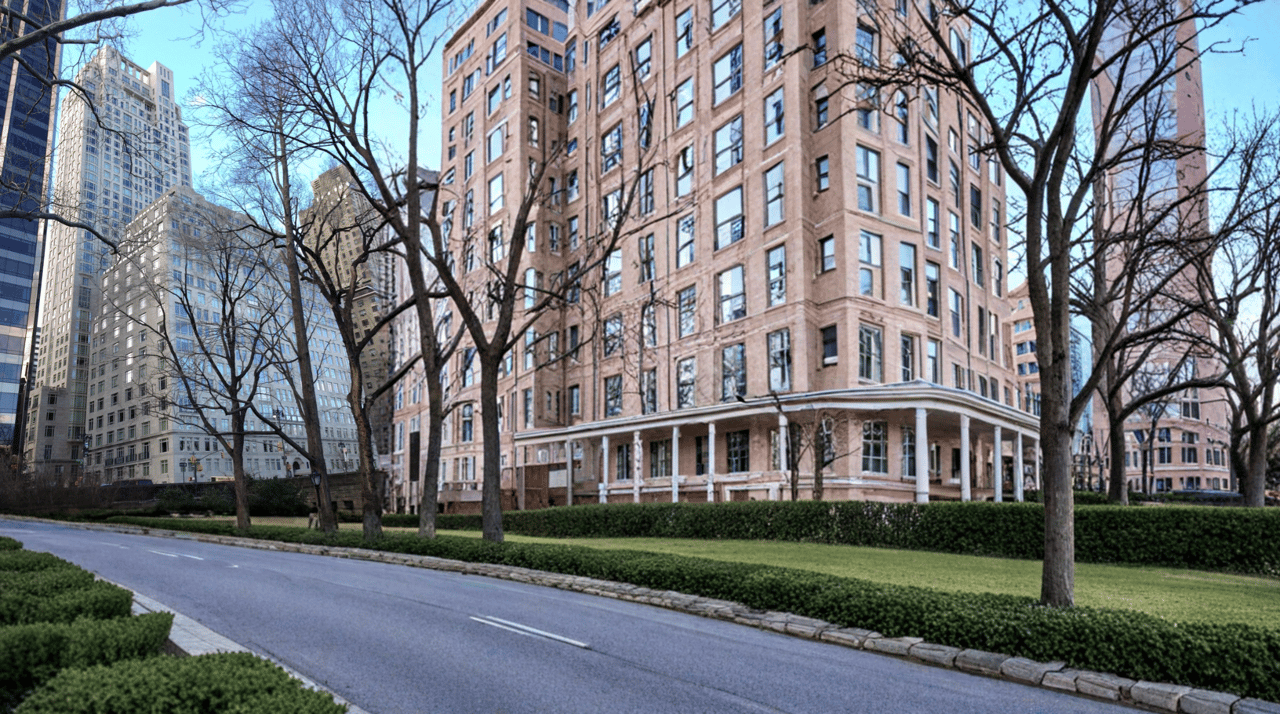
But Park Slope is not only brownstones. City planning materials note that 5th and 7th Avenues are major commercial corridors with four- to six-story buildings and apartments above ground-floor retail, while 4th Avenue has a more apartment-oriented and redevelopment pattern.
In practical terms, your search may include:
- Brownstones and row houses on quieter residential streets
- Converted townhouses with multi-unit layouts
- Walk-up co-ops and condos
- Elevator co-ops and condos on larger avenues
- Larger apartment buildings closer to 4th Avenue and other major corridors
This variety can be helpful if your needs are changing. You may be comparing extra bedrooms, outdoor access, building services, storage, or how much maintenance a household wants to take on.
Residential streets versus avenue living
Park Slope works best when you match your home search to your daily habits. Some households want a quieter block with a more classic rowhouse setting. Others prefer being closer to shopping, transit, and busier avenues.
NYC Planning says districts like R6B and R7B are mapped to maintain older rowhouse scale on narrow streets, while other contextual districts such as R6A and R7A appear on some avenues and around Prospect Park West. The city’s rezoning also emphasized height limits and streetwall continuity to preserve neighborhood character.
That planning framework helps explain why different parts of Park Slope can feel distinct while still fitting together as one neighborhood. If you are moving with a growing household, that gives you more flexibility to prioritize what matters most to you.
Getting around without relying on a car
Transit access is a major part of Park Slope living. The neighborhood is served by several subway connections rather than one single center point.
Current MTA route information shows Prospect Park on the Q line and stations such as 4 Av-9 St and Bergen St on the G line. MTA guidance for the nearby area around Green-Wood also points riders to F or G service at 15 St-Prospect Park.
Local buses support the neighborhood too. The B67 and B69 both run along 7th Avenue, including stops like 7 Av and Prospect Av and 7 Av and 15 St.
For many households, this means daily life is built around walking to transit and staying organized around train and bus access. If you are used to suburban parking convenience, that shift is worth thinking through carefully.
The tradeoff is cost
Park Slope offers a lot, but it asks a lot financially too. That is the main tradeoff.
The Furman Center profile makes that clear through both income and rent figures. The neighborhood profile also places Park Slope and Carroll Gardens among the city’s more expensive rent areas.
For many households, the value exchange is easy to understand. You are paying for access to Prospect Park, established residential blocks, local institutions, commercial corridors that support everyday errands, and a transit-oriented layout that can simplify city living.
The key is deciding whether those benefits line up with your priorities. If they do, Park Slope can feel less like a compromise and more like a long-term lifestyle choice.
How to evaluate Park Slope for your household
If you are seriously considering Park Slope, it helps to evaluate the neighborhood through your own weekly routine rather than through a broad reputation. A clear framework can make your search much more efficient.
Here are a few useful questions to ask:
- Do you want a quieter residential block or faster access to shops and transit?
- Are you looking for a townhouse feel, a co-op or condo, or a larger apartment building?
- How important is proximity to Prospect Park for your daily routine?
- Would a car-free lifestyle feel natural for your household?
- Are you comfortable with the neighborhood’s pricing relative to your space needs?
These questions matter because Park Slope is not one-note. The right fit often comes down to micro-location, building type, and how your household wants to live from morning through evening.
Why guidance matters in Park Slope
In a neighborhood with high demand, mixed housing types, and meaningful block-by-block differences, strong guidance can save you time and help you make a more confident decision. You are not just choosing a home. You are choosing a routine.
That is especially true if you are comparing co-ops, condos, townhouses, or rental options across Brooklyn. A clear, analytical approach can help you weigh tradeoffs like space, price, building style, commute flow, and long-term flexibility.
If you are exploring Park Slope and want thoughtful guidance on where to focus, housing type, and how to align your search with your household’s next stage, connect with Iryna Ferenets. She offers full-service buyer, seller, rental, and investor support across Brooklyn, Manhattan, and Queens.
FAQs
What makes Park Slope appealing for growing households?
- Park Slope offers a predominantly residential setting, strong park access, walkable errands, transit connections, and neighborhood institutions like the library and local civic programming.
What types of homes can you find in Park Slope?
- Park Slope includes row houses, brownstones, flats buildings, apartments above retail corridors, walk-up co-ops and condos, elevator buildings, and denser apartment options closer to larger avenues.
How important is Prospect Park to Park Slope living?
- Prospect Park is a major part of the neighborhood’s appeal because it adds 585 acres of green space and family-oriented destinations like the Carousel, the LeFrak Center, the Zoo, and the Children’s Corner.
Is Park Slope easy to live in without a car?
- Yes, many residents rely on walking and transit, and the Furman Center profile reports that 86.2% of commuters use a car-free commute.
What is the main downside of Park Slope for households?
- The biggest tradeoff is cost, since the neighborhood profile reports high income levels and a median gross rent of $2,900, reflecting Park Slope’s position as an expensive Brooklyn market.
How can you choose the right part of Park Slope?
- Focus on your daily routine, preferred housing type, park access, transit needs, and budget, because Park Slope’s feel and housing mix can vary significantly by block and avenue.