For high-end buyers in premier urban markets like New York City, choosing a home isn't just about choosing a neighborhood or a price point. It’s about choosing a lifestyle, an investment strategy, and an entirely different asset class.
The most common ideological crossroads buyers face is deciding between a Prewar Co-op and a New Development Condo.
As a real estate professional, understanding how to position these distinct properties is the key to unlocking their value for the right buyer. Both options represent the pinnacle of luxury, but they speak to completely different priorities. Here is how to strategically position each property type in today’s market.
1. The Prewar Co-op: Positioning Heritage, Scale, and Status
Prewar co-ops (typically built between 1900 and 1939) are the architectural backbone of classic luxury. When marketing a prewar co-op, you aren’t just selling real estate; you are selling history, prestige, and a sense of permanence.
The Value Proposition:
Architectural Integrity: Highlight features that cannot be replicated today: soaring ceilings, plaster crown moldings, wood-burning fireplaces, herringbone oak floors, and thick, virtually soundproof walls.
Grand Proportion and Layout: Position the classic layouts—like the coveted "Classic Six"—which emphasize a graceful separation between public entertaining spaces and private bedroom wings.
The "Intimate Community" Value: Because co-ops require rigorous board approval, they attract long-term owner-occupants. Position this as a benefit: a stable, quiet community of neighbors who are deeply invested in the building's preservation, free from transient renters.
Value Per Square Foot: Generally, co-ops trade at a lower price-per-square-foot premium than brand-new condos, offering buyers more physical space for their dollar.
The Target Buyer:
The traditionalist, the historic preservationist, and the long-term primary resident who prioritizes architectural character and a quiet, established neighborhood enclave over flashy amenities.
2. The New Development Condo: Positioning Flexibility, Modernity, and Ease
New construction condominiums represent the modern evolution of luxury living. When marketing a new development, the narrative centers on cutting-edge design, effortless ownership, and lifestyle optimization.
The Value Proposition:
Turn-Key, Worry-Free Living: Position the home as an oasis of convenience. Everything is brand new, under warranty, and designed with smart-home automation, central climate control, and modern energy efficiency.
World-Class Amenities: New developments are vertical resorts. Highlight the lifestyle perks: 24/7 concierge services, state-of-the-art fitness centers, indoor pools, automated parking, pet spas, and private resident lounges.
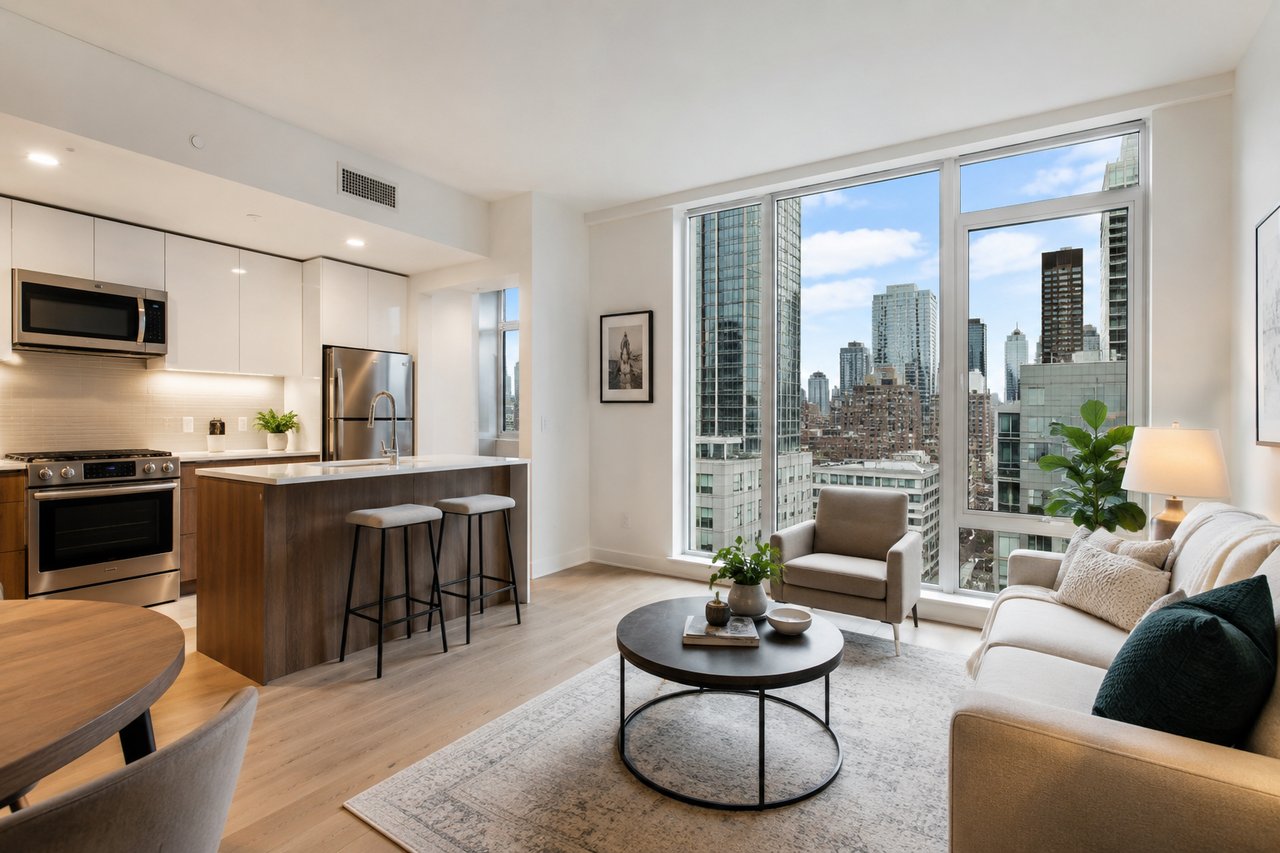
Unrivaled Light and Views: Unlike the smaller windows of prewar structures, new condos often feature massive floor-to-ceiling glass curtain walls that flood the home with natural light and frame panoramic city views.
Financial and Asset Flexibility: This is a major selling point. Because buyers are purchasing real property (deeded ownership) rather than shares in a corporation, there is no invasive board interview. Furthermore, subletting, purchasing as a pied-à-terre, or buying under an LLC is vastly easier, preserving the buyer's exit strategy and investment fluidity.
The Target Buyer:
The global investor, the busy professional, the pied-à-terre seeker, and the buyer who values lifestyle convenience, modern aesthetics, and the freedom to lease or sell their asset without corporate restrictions.
The Side-by-Side Comparison
When advising clients, use this quick reference table to help them weigh their core priorities:
Feature | Prewar Co-op | New Development Condo |
Ownership Structure | Proprietary Lease (Shares in a corporation) | Deeded Real Estate (Fee simple ownership) |
Approval Process | Strict, highly invasive board interview & financial scrutiny | Streamlined, objective application process |
Layout Style | Formal, separate rooms, distinct entry foyers | Open-concept, maximize light and views |
Amenities | White-glove service (doorman, super), but limited common spaces | Expansive amenity suites (gyms, pools, lounges, spas) |
Flexibility | Subletting severely restricted; primary residents preferred | High flexibility for renting, LLC purchasing, and pieds-à-terre |
Upfront Costs | Lower purchase price; higher down payment required (often 20% to 50%) | Higher purchase price; lower down payment flexibility (as low as 10%) |
Closing Thoughts for Your Clients
Ultimately, positioning these properties successfully requires matching the asset to the buyer's intrinsic motivations.
If a client wants to feel the romance of old New York, walk on floors that tell a story, and join a time-tested community, guide them toward the Prewar Co-op. If they want to press a button to lower their blinds, swim laps without leaving their building, and retain the absolute freedom to rent out their property whenever they choose, the New Development Condo is their perfect match.
By framing the conversation around how they want to live rather than just the price tag, you position yourself as a trusted advisor rather than just a salesperson.
Looking to buy or sell a unique luxury property? Contact our me today to discuss how we can strategically position your next move in the market.
— Iryna Ferenets, NYC Real Estate Agent



