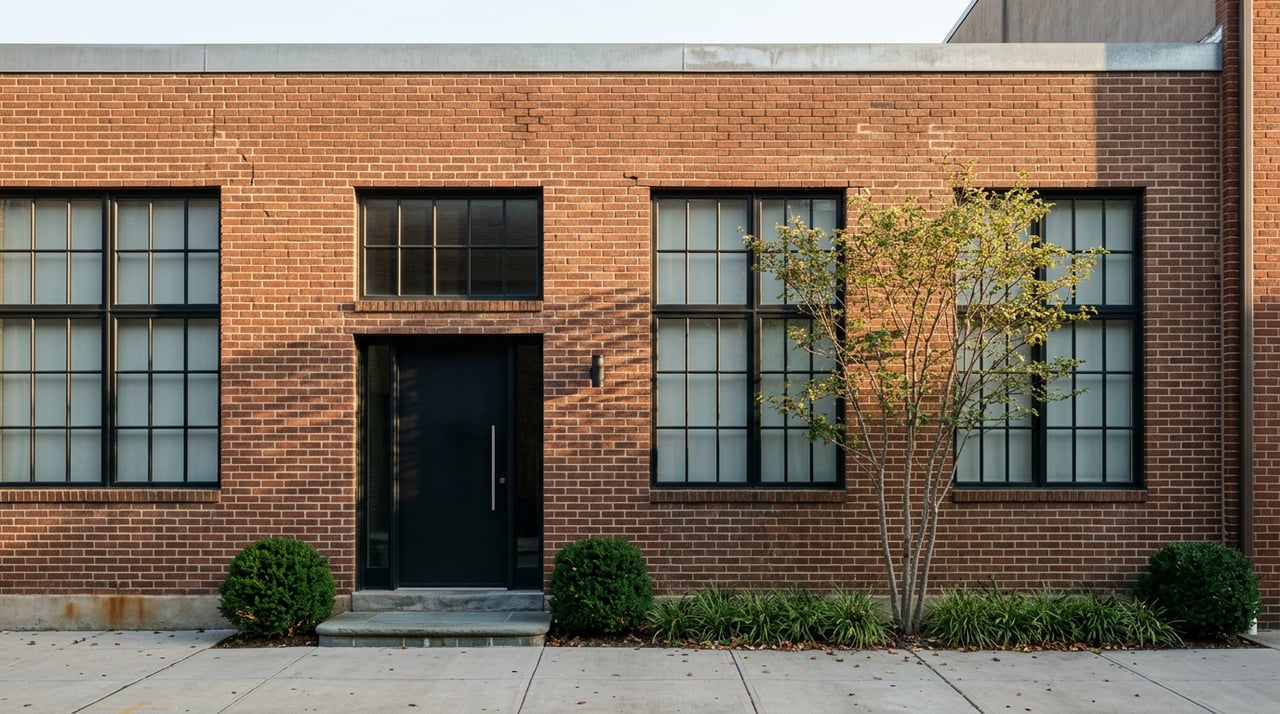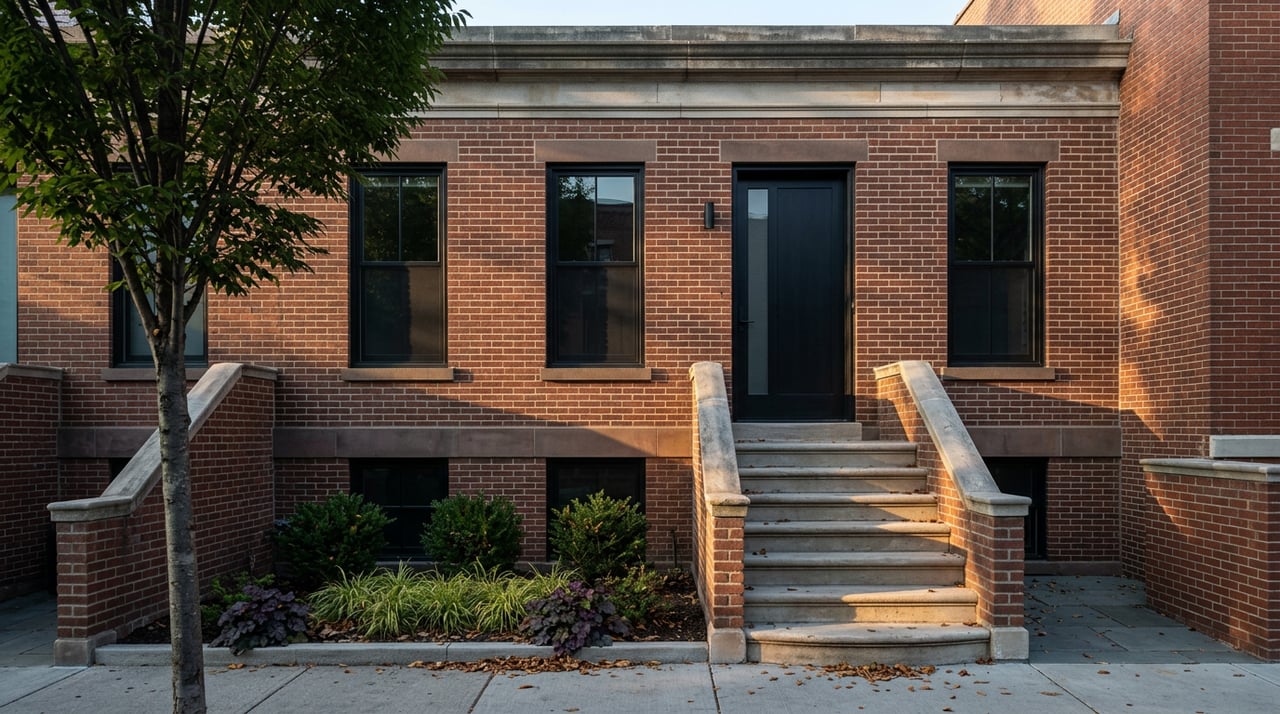
Stand at the three-way intersection of Myrtle Avenue, Cypress Avenue, and Cornelia Street, near Clemens Circle, and you're looking at two versions of the same argument. On one corner sits a three-story Beaux-Arts building that used to be a bank, then a Rite Aid, and has sat mostly quiet since the drugstore chain worked through its second bankruptcy filing in 2025. Whole Foods signed a 15-year lease on the whole 28,000-square-foot ground floor there, a deal that surfaced in city filings made public in December 2025, and as of this writing the company still hasn't announced an opening date or said a public word about its plans.
Directly across the street is a storefront that already ran this exact experiment. It opened, it got called gentrification in real time, and a year later it's still standing.
That's the part of the story most coverage has skipped past to get to the reaction shots. The reaction to Whole Foods isn't really a first response. It's a rerun, and the neighborhood already knows some of its lines.
The corner already auditioned this exact fight
In September 2025, Wonder opened its third Queens location directly across from the future Whole Foods site, its first in Ridgewood after earlier openings in Astoria and Jackson Heights. Wonder is a virtual food hall: one storefront, dozens of menus from recognizable names like Bobby Flay and Michael Symon alongside out-of-town brands like Texas's Tejas Barbecue and Atlanta's Fred's Meat & Bread, all delivered inside 30 minutes without stacking separate delivery fees.
The backlash arrived before the doors did. A Ridgewood Reddit thread filled with residents arguing the concept would accelerate the neighborhood's gentrification, with one resident describing it flatly as a "gentrified ghost kitchen." Wonder's response was concrete rather than defensive: a locally hired construction crew and more than 40 local staff hired for the location.
A year on, Wonder is still operating on that corner. The backlash didn't disappear, but it also didn't stop the store from opening or staying open. That's the pattern Whole Foods is walking into, not a blank slate.
What Whole Foods is actually moving into
The building itself tells you this isn't discount retail. Crain's reported asking rents in that same structure running from roughly $46 to $57 per square foot, pricing that belongs to a regional grocery chain, not a corner store.
But the more useful context is what's already a short walk away. One block from the Whole Foods site sits Billy's Marketplace, a family-owned grocery opened by Billy Rodriguez and family in 2017. The store built its identity around being unmistakably local from day one: aisles marked with actual Ridgewood street signs, black-and-white photos of the neighborhood's history on the walls, a bar pouring local beer, and a vegan section the owners have kept expanding. When the store's general manager talked to a local outlet about strategy around its 2017 opening, the idea was simple: don't just replicate what already exists on the avenue.
Five minutes further out is Food Bazaar, a large-format chain grocer that's operated in the area for years. Whole Foods isn't introducing chain grocery shopping to Ridgewood. It's adding a premium price tier to a grocery landscape that already includes a national big-box chain and a locally rooted independent that was built specifically to compete with exactly this kind of arrival.
The asks arrived before the store did
What's different this time is that the public response didn't stay at the level of Reddit complaints. Assemblywoman Jenifer Rajkumar put a specific list of conditions on the record in December, tied directly to the lease news:
- Hire locally from the neighborhood's own workforce
- Stock and sell locally sourced products
- Accept SNAP, EBT, and other nutrition assistance benefit cards
- Commit surplus food to nearby pantries and food drives
Whole Foods should "demonstrate its commitment to being a responsible and engaged neighbor."
Councilman Bob Holden struck a similar note, welcoming the investment while asking the chain to respect what he called the backbone of this neighborhood, the small businesses that built Myrtle Avenue's reputation long before a national grocer noticed it. The Myrtle Avenue Business Improvement District's executive director, Laura Carlson Seidel, has said she hopes the store becomes the kind of neighbor that pulls foot traffic toward the rest of the corridor rather than away from it.
None of that happened with Wonder a year ago. The demands this time are specific, public, and made before a single shelf has been stocked, which is what a neighborhood sounds like when it's had practice.
The independent kitchens aren't waiting for a verdict
If the story here were simply chains squeezing out independents, you'd expect the small-business side of Myrtle Avenue to be retreating. It isn't. Over the past year, Ridgewood has added a run of independently owned restaurants that are expanding, not hedging, joining an existing local roster that already includes spots like Rolo's, a neighborhood bar and grill built around wood-fired cooking:
- Hi-Node, a Japanese cafe serving onigiri, sushi hand rolls, and a wagyu yakiniku rice sandwich, alongside matcha soft serve and matcha lattes
- Salvo's, an Italian daytime spot built around handmade pasta, seasonal salads, and sandwiches like its Reginella
- Arrigo's, an Italian-American deli serving sandwiches by day and dinner pasta dishes like rigatoni with short rib ragu by night
- La Parrillada Colombiana, which didn't just open, it expanded to a second Ridgewood location, adding a bigger room built for happy hours and watching sports alongside dishes like paella and its super paisa platter
A business opening a second location in the same neighborhood is a statement about confidence, not survival mode. That's the detail easy to miss if you're only tracking the chain-versus-independent framing: the independent side of this story is growing at the same time the national brands are arriving, not shrinking in response to them.
Why the timing isn't a coincidence
None of this is happening to Ridgewood at random. In January 2025, StreetEasy named Ridgewood its number one "neighborhood to watch" citywide, based on search volume outpacing every other neighborhood in New York. That's the demand signal that explains why a national grocery chain would sign a 15-year lease on Myrtle Avenue years before it opens a store in a much higher-profile waterfront submarket like Long Island City, where Whole Foods isn't slated to arrive until 2028. A quiet, under-the-radar corridor is getting first access to a major grocery brand that a flashier neighboring submarket has to wait years for.
What we still don't know, and what changes when we do
No opening date exists yet. Whole Foods hasn't confirmed pricing, hours, or how it plans to respond to Rajkumar's list. What we do know is more specific than most coverage has bothered with: early reporting on the incoming inventory names products like Biena chickpea snacks, Harmless Harvest coconut yogurt, Siete cassava and coconut flour tortillas, 365 ginger sparkling water, and Cado avocado-based frozen dessert, the kind of specialty and plant-based items that don't currently have much shelf space on this stretch of Myrtle.
The honest version of this story isn't panic or celebration. It's that Ridgewood has already run one version of this test with Wonder, learned what backlash actually changes and what it doesn't, and showed up to round two with a list of specific conditions instead of just a hashtag. Whatever Whole Foods becomes on this corner will be measured against asks the neighborhood already put in writing, not against a reaction it's inventing from scratch.
If you're watching how Myrtle Avenue is changing and wondering what it means for property values or rental demand on your own block, that's a conversation worth having before the next lease gets signed, not after. Iryna Ferenets tracks these shifts across Ridgewood, Bushwick's border, and the rest of northern Queens as they happen, and offers a free instant home valuation if you want a read on where your own property stands today.