When high-net-worth buyers evaluate luxury real estate in New York City, the conversation often begins indoors: dramatic floor-to-ceiling glass, custom Italian millwork, spa-level wellness suites, and white-glove concierge services.
However, a fundamental shift has emerged across Manhattan and Brooklyn: the surrounding micro-neighborhood is now the ultimate luxury amenity.
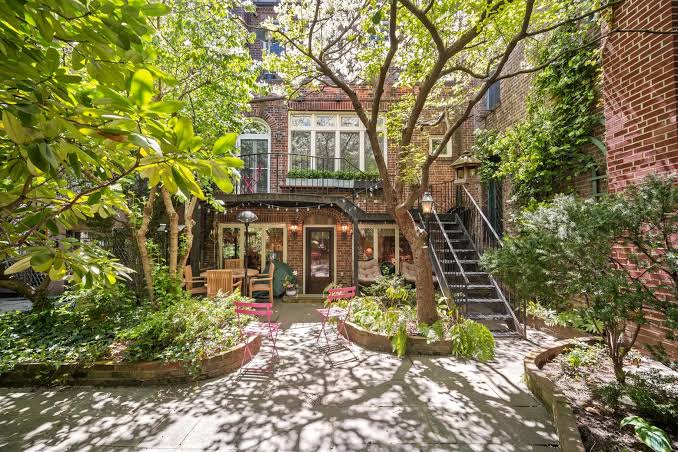
In a market like New York, interior spaces can always be redesigned. Kitchens can be reimagined, primary suites expanded, and smart-home automation upgraded. What cannot be replicated is the tree-lined tranquility of a West Village block, front-row proximity to Central Park, or the waterfront energy of Long Island City and Astoria.
For buyers and investors, understanding how neighborhood character translates into tangible asset preservation is essential to making an enduring move.
1. The Micro-Block Premium
In NYC luxury real estate, value isn't calculated solely by zip code—it is determined block by block. Two buildings located just three avenues apart can command vastly different price-per-square-foot valuations based on micro-location factors:
Architectural Scarcity: Historic landmark districts, cobblestone lanes, and low-density streetscapes create inventory caps that shield properties from oversupply.
Acoustics & Privacy: Residential enclaves with minimal commercial traffic yield significant premiums for buyers prioritizing quiet and discretion.
Zoning Protections: Blocks anchored by historic district designations protect surrounding light, air, and sightlines over decades.
2. Infrastructure as Lifestyle Efficiency
For today’s luxury buyer, time is the rarest resource. A neighborhood that seamlessly integrates into your personal and professional routines acts as an extended private concierge:
Neighborhood Anchor | Lifestyle Impact | Long-Term Value Driver |
Parks & Greenways | Immediate access to open space and outdoor recreation | Strong resilience during broader market fluctuations |
Culinary & Arts Enclaves | Walkable access to Michelin-starred dining and galleries | High neighborhood brand equity and global appeal |
Transit & Waterfront Access | Efficient private and ferry connectivity to commercial hubs | Sustained buyer and tenant demand year-round |
3. Building Amenities vs. Neighborhood Equity
While luxury developments continually compete to offer private bowling alleys, wine-tasting rooms, and virtual golf simulators, building-level amenities carry high ongoing capital costs—reflected directly in monthly common charges—and face rapid obsolescence as newer towers rise.
Conversely, neighborhood amenities accrue value organically through public and private investment without burdening the individual homeowner's HOA invoice:
Key Takeaway: A state-of-the-art gym can be built inside a new tower next door, but a location steps from Central Park, the Hudson River Greenway, or the West Village historic district remains irreplaceable.
Ready to Find Your Ideal NYC Location?
Looking for a Residence in NYC's Most Coveted Micro-Markets?
Gain access to off-market inventory, detailed block-by-block market analyses, and expert guidance tailored to your real estate goals.



