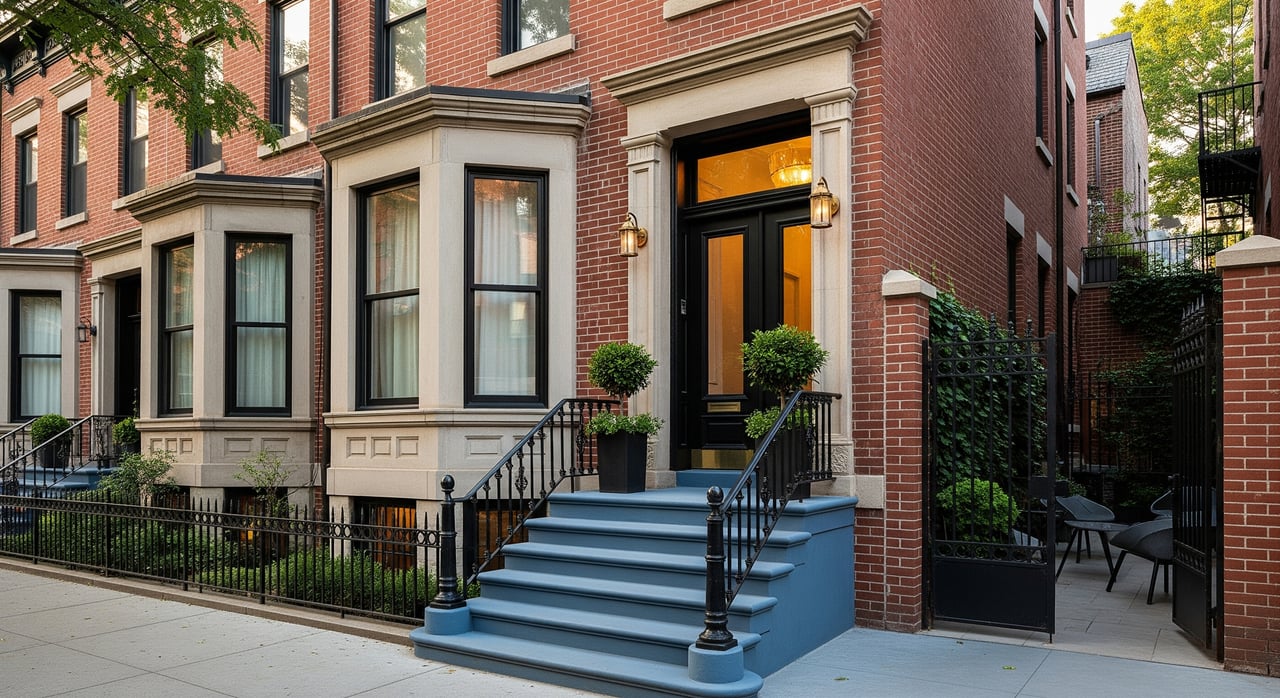
Thinking about listing your Ridgewood apartment for a few nights while you’re away? New York City’s rules have shifted, and the details matter more than ever. Between city registration, building bylaws, and platform verification, a legal short‑term rental in Ridgewood is possible only in narrow situations. This guide breaks down what’s legal now, what your building can and cannot allow, how enforcement works, and the exact steps to take before you list. Let’s dive in.
NYC rules set the baseline
Short‑term rental rules are set at the city level and apply across all boroughs, including Ridgewood in Queens. New York City regulates rentals of fewer than 30 nights, requires many hosts to register with the city, and places verification duties on listing platforms. The city also distinguishes between a host’s primary residence and other properties, and may require the host to be present for some types of stays.
Violations can lead to fines, takedowns, and building‑level action. Enforcement has increased in recent years, and you should expect the city to act on complaints or platform data. Your first step is understanding that city rules are the floor. Your building and certificate of occupancy can be more restrictive.
What is allowed in Ridgewood today
In practical terms, the path to a legal short‑term rental is narrow and often tied to your primary residence. Many allowances in NYC hinge on whether you live in the unit as your primary home and whether you are present during the stay. Whole‑unit rentals of a non‑primary residence are much more restricted or prohibited.
Even if you meet city criteria, your building’s rules or its certificate of occupancy might block transient use. Think of compliance as a three‑part test: city law, building rules, and building classification. You need all three to align.
Registration basics and why it matters
New York City operates a short‑term rental registration program that requires many hosts to obtain a registration number. Platforms are required to verify this registration and block or remove noncompliant listings. In many cases, you must display your registration number on your listing.
Registration confirms the unit’s eligibility under city rules. It does not override a building’s prohibition. If your co‑op or condo bars short stays, you cannot legally list even with a valid registration.
Building rules can override the city
Even when city rules allow certain hosting, building governance often decides what actually happens. Before you consider listing, review your building type and the documents that control it.
Co‑ops: proprietary leases and board control
Co‑op proprietary leases and house rules usually give the board wide authority over subletting and short‑term use. Many co‑ops set minimum lease terms, such as 6 or 12 months, and prohibit vacation‑style rentals. Boards can deny or rescind permission to sublet and can levy fines for violations.
Condos: bylaws, declarations, and house rules
Condo associations frequently limit rental term length or prohibit transient use. Some condos allow short stays only under strict conditions like insurance requirements, registration with the association, and host contact information on file. Enforcement can include fines or legal action as outlined in the governing documents.
Small multi‑family buildings and classification
For 3–6 unit buildings and other small multiple dwellings, the certificate of occupancy and building classification matter. Some buildings cannot legally be used for transient occupancy without specific approvals. Units subject to rent stabilization or other protections can face additional limits on temporary rentals.
Bottom line: a building that prohibits short‑term rentals or lacks the proper certificate of occupancy effectively makes STRs illegal, even if city registration exists.
Primary residence and host presence
City rules often prioritize a host’s primary residence, not investment units. Primary residence is generally where you spend most nights and maintain your official documents. You should be prepared to show evidence such as a driver’s license address, voter registration, utility bills, or tax records.
Some allowed short stays require that you are physically present for part or all of the guest’s visit. Renting an entire unit when you are away is treated differently from renting a spare room while you live there. Whole‑unit bookings in non‑primary residences face much stricter limits.
Platform verification and listing compliance
Major platforms are required to verify registration numbers and remove listings that the city identifies as noncompliant. They also may share data and block listings in buildings known to disallow STRs. Platform checks are not perfect. If you list in violation of city or building rules, you still face penalties even if a platform initially lets the listing go live.
Enforcement: how it plays out in Ridgewood
Enforcement is driven by neighbor complaints, board reports, platform data, and city audits. In dense neighborhoods like Ridgewood, complaints about noise and turnover are common, which raises the odds of scrutiny. Consequences can include administrative fines, removal orders, and building‑level legal action.
Boards can pursue remedies under your proprietary lease or bylaws, including fines or injunctions. The city can issue penalties and require platforms to delist. If multiple neighbors complain or your listing is flagged by a platform or the city, enforcement becomes more likely.
Ridgewood owner checklist: five steps
Use this quick path to determine if your plan is viable:
- Check building rules
- For co‑ops, read the proprietary lease and house rules. Note any minimum lease terms and board approval requirements.
- For condos, read the declaration, bylaws, and house rules for transient‑use language and registration steps.
- Confirm primary residence status
- Gather evidence like your driver’s license address, voter registration, utility bills, and tax returns that show the unit is your primary home.
- Verify city registration requirements
- Determine whether you must register your short‑term rental with the city. Obtain the registration number if required.
- Confirm building classification and occupancy
- Review your building’s certificate of occupancy and Department of Buildings records for any limits on transient use. Check whether rent stabilization or other protections apply.
- Secure approvals, insurance, and records
- Obtain written board approval if required. Confirm insurance coverage for short‑term activity or add an endorsement. Keep registration documents, approvals, and booking records organized.
What to look for in building documents
- Sublet clause and minimum rental term
- Prohibitions on transient or hotel‑like use
- Board approval procedures and any required deposits
- Fines and enforcement mechanisms
- Guest registration or 24/7 contact requirements
- Insurance and indemnity obligations
Practical tips to stay compliant
- Keep a documented primary‑residence file with 2–3 forms of proof.
- Approach your board or managing agent early and in writing.
- Maintain a house manual for guests that covers building rules, occupancy limits, and quiet hours.
- Assign a reliable local contact for emergencies if your building or platform requires it.
- Review tax obligations for short‑term rental income and any local occupancy taxes. Consult a tax professional.
If short‑term is not allowed
If your co‑op, condo, or building classification prohibits short‑term rentals, do not list. Expect enforcement if you proceed anyway. Instead, consider compliant alternatives that align with your building rules:
- Furnished leases of 30 days or longer
- Board‑approved sublets that meet minimum terms
- Longer corporate rentals where permitted
These options can still generate income while keeping you on the right side of city and building rules.
Ready for next steps?
If you want to confirm your property’s eligibility or weigh income options, you do not need to navigate this alone. We can help you review building rules, coordinate with management, and explore compliant furnished or long‑term rental strategies that fit the Ridgewood market. Looking to sell or reposition an asset instead? We handle valuation, marketing, and end‑to‑end coordination.
Want a data‑driven read on your property’s value or a clear plan for next steps? Get Your Instant Home Valuation with Unknown Company.
FAQs
Can I rent my Ridgewood apartment for weekends?
- It depends on city registration, your primary residence status, host‑presence rules, and your building’s governing documents. If your building prohibits short‑term rentals, you cannot legally do it.
Do I need to show a city registration number on my listing?
- Yes. Where registration is required, you must obtain and display a valid city registration number, and platforms are expected to verify it before allowing bookings.
Will my co‑op or condo board find out if I list?
- Very likely. Boards monitor listings, neighbors file complaints, and platforms share data. Boards can enforce proprietary leases or bylaws and pursue fines or legal remedies.
What taxes apply to short‑term rental income?
- Short‑term rental income is generally taxable, and local occupancy taxes may apply. Consult a tax professional to understand filing and collection obligations.
Can tenants offer short‑term rentals in Ridgewood?
- Tenant leases usually forbid short‑term subletting without landlord and board approval. Unauthorized subletting risks lease violations and possible eviction.



