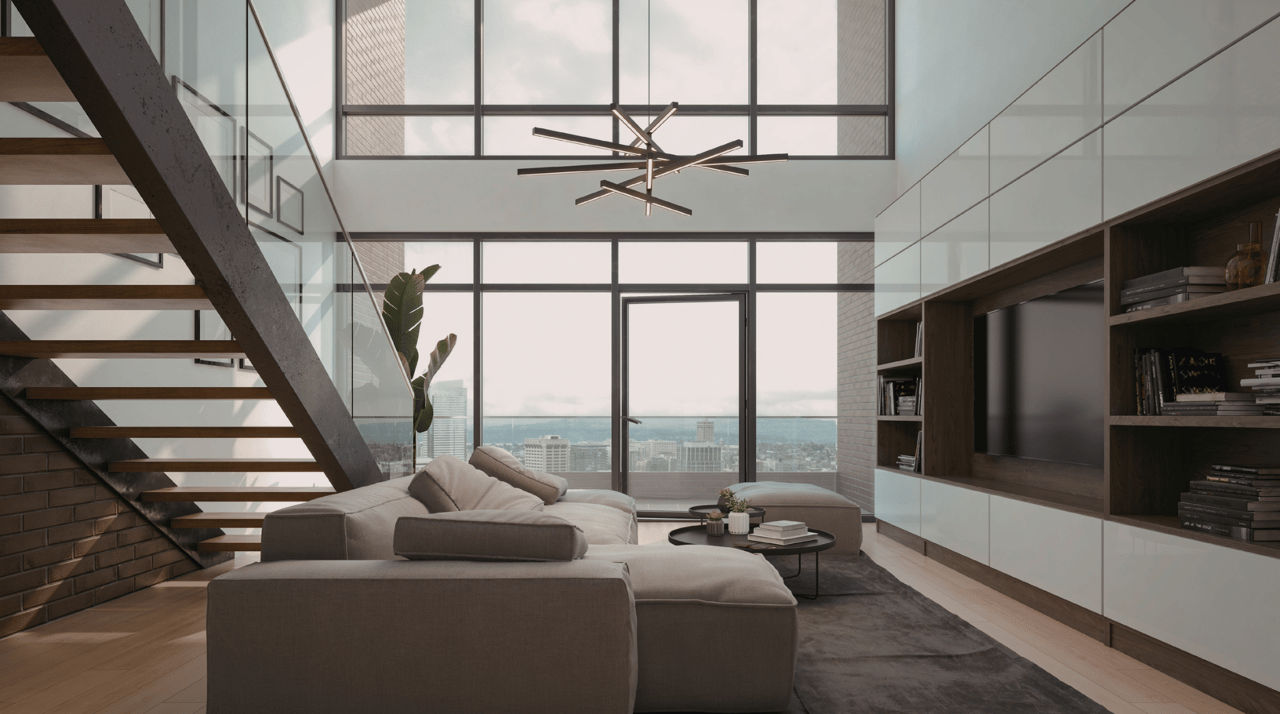
In New York City, where apartment space is often limited, high ceilings can make a remarkable difference in how a home feels. They bring a sense of openness, create visual interest, and give even a modest-sized apartment a more spacious atmosphere.
Beyond their appearance, high ceilings offer opportunities to make a home feel more comfortable, personal, and thoughtfully designed. They can change the way natural light moves through a room, influence how furniture is arranged, and provide additional space for creative interior details. Whether found in a classic prewar building or a modern luxury residence, high ceilings can become one of the most defining features of an apartment.
A Greater Sense of Space
One of the most noticeable benefits of high ceilings is the feeling of openness. By drawing the eye upward, they make rooms feel larger and less confined. Even apartments with smaller floor plans can feel more expansive when there is additional vertical space.
This is particularly appealing in New York City, where maximizing every square foot is important. A room does not necessarily need a large footprint to feel spacious. The additional height creates a different sense of proportion, making the interior feel less crowded.
High ceilings can also make open-concept layouts feel more connected. Living, dining, and kitchen areas can flow naturally into one another without feeling visually compressed. With the right arrangement, the apartment can feel airy while still maintaining distinct areas for different activities.
More Natural Light
High ceilings often complement tall windows, allowing more daylight to enter the apartment. Natural light can brighten the interior, highlight architectural details, and create a welcoming atmosphere throughout the day.
When sunlight reaches further into a room, it can bring out the colors and textures of furniture, flooring, and decorative finishes. It can also make smaller spaces feel brighter and more inviting.
Window treatments play an important role, too. Lightweight curtains, simple shades, or full-length drapes can help preserve the sense of height while allowing natural light to remain a central part of the design.
Room for Creative Design
Extra wall height provides more freedom when decorating. From oversized artwork and statement lighting to floor-to-ceiling bookshelves and tall indoor plants, high ceilings offer opportunities to create a distinctive interior without overcrowding the living space.
Instead of focusing all decorative elements at eye level, homeowners can use the vertical space to create layers and visual interest. A large piece of artwork can become a focal point, while carefully placed shelves can add both storage and personality.
Lighting is another opportunity. Pendant lights, chandeliers, and sculptural fixtures can take advantage of the additional height while adding character to the room. Choosing the right scale is important so that decorative pieces feel balanced rather than overwhelming.
Architectural Character
In many New York City prewar buildings, high ceilings are part of the apartment's original charm. Crown moldings, decorative plasterwork, tall doorways, and large windows can add character that is difficult to recreate in newer construction.
These architectural details give a home a sense of history and individuality. Even simple interiors can feel distinctive when paired with original ceiling details, hardwood floors, or beautifully proportioned windows.
In some apartments, exposed beams or decorative ceiling finishes provide another layer of visual interest. Rather than hiding these features, thoughtful interior design can highlight them and make them an important part of the overall aesthetic.
A More Comfortable Living Environment
Vertical space can contribute to a less enclosed feeling, especially in apartments where every square foot matters. With thoughtful furniture placement and a balanced layout, high ceilings can help create an interior that feels both open and inviting.
They also provide flexibility when arranging furniture. Taller bookcases, larger artwork, and carefully selected decorative pieces can help fill the space without making the room feel cluttered.
However, balance is important. Low furniture paired with excessively large empty walls can sometimes make a room feel unfinished. Combining different heights, textures, and materials helps create a more cohesive environment.
The Opportunity to Add Personal Style
High ceilings allow homeowners and renters to express their personal style in ways that may not be possible in apartments with lower ceilings.
A minimalist interior can benefit from the openness, using neutral colors, natural materials, and a few carefully selected statement pieces. A more traditional design can highlight the height with decorative molding, elegant lighting, and rich textures.
For those who enjoy greenery, taller indoor plants can bring life into unused corners and complement the vertical proportions of the room. Large mirrors can also reflect natural light and create a greater sense of depth.
The key is to make the additional space feel intentional. Every decorative choice should contribute to the atmosphere rather than simply fill an empty wall.
Making the Most of Vertical Space
High ceilings are most effective when the design works with the room's proportions. Choosing appropriately sized furniture, adding layered lighting, and using taller decorative elements can help maintain visual balance. The goal is to make the space feel intentional rather than empty.
Floor-to-ceiling curtains are one simple way to emphasize height. Hanging them closer to the ceiling rather than directly above the window can create a more elongated appearance.
Built-in shelving is another practical option, particularly for apartments where storage is limited. It makes use of otherwise unused wall space while keeping everyday items organized.
Color choices can also influence how the room feels. Lighter shades can emphasize openness, while deeper tones on an accent wall or ceiling can add warmth and dimension. Natural wood, soft fabrics, and textured finishes can help prevent a tall room from feeling cold or impersonal.
What to Consider When Living in an Apartment with High Ceilings
While high ceilings offer many design advantages, they also come with a few practical considerations.
Heating and cooling: Larger room volumes may require more attention to temperature control, depending on the apartment's insulation and HVAC system.
Lighting maintenance: Replacing bulbs and cleaning higher fixtures may require additional equipment or professional assistance.
Window treatments: Tall windows may need custom curtains or shades.
Cleaning and maintenance: Ceiling fans, upper shelves, and decorative moldings can be harder to reach.
Furniture proportions: Oversized or undersized furniture can affect how balanced the room feels.
Considering these details can help make the apartment both beautiful and practical for everyday living.
The Appeal of Looking Up
High ceilings are more than an architectural feature. They influence the atmosphere of a home, create opportunities for natural light and creative design, and add a sense of character to New York City living.
They remind us that a well-designed home is not defined by square footage alone. The way a room uses light, height, proportion, and texture can be just as important as its overall size.
In a city where space is valuable, sometimes the difference is not just how much room an apartment offers, but how that space makes you feel. A little extra height can create a more open, comfortable, and inspiring place to call home.



