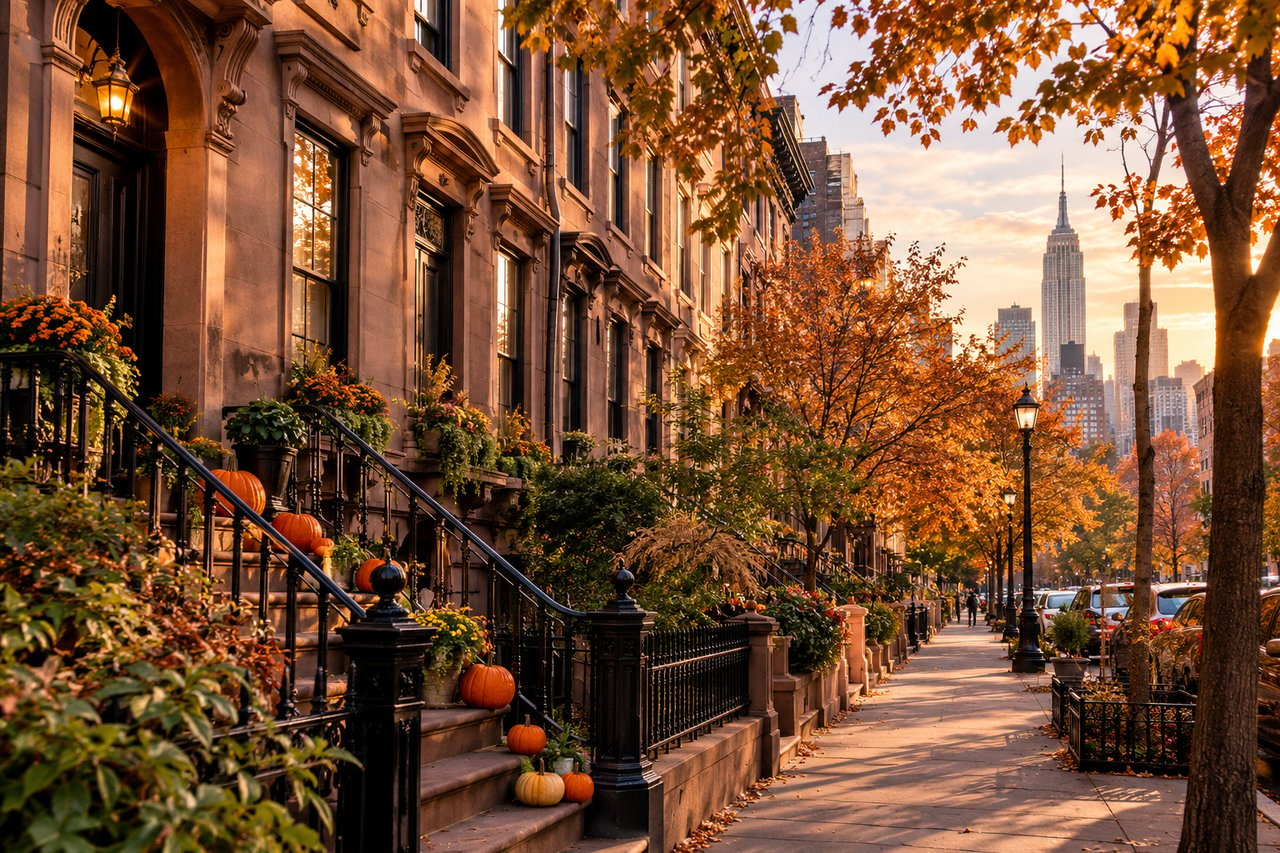
From Brooklyn's lifestyle-driven neighborhoods to Manhattan's competitive rental market, here's what matters when choosing your next New York City home.
Fall in New York City brings more than changing leaves and Halloween decorations. It's a season when people reassess where they want to live, how much space they need, and what they're willing to pay for the right home.
In 2026, NYC real estate conversations are increasingly shaped by affordability, limited rental inventory, lifestyle amenities, and the search for value in different neighborhoods. Buyers and renters are looking beyond beautiful listing photos. They're comparing monthly costs, commute times, building features, and the long-term benefits of choosing one neighborhood over another.
For anyone considering a move this fall, here's what's worth watching across Brooklyn and Manhattan.
1. The Rental Market Is Still Competitive—Especially in Manhattan
Manhattan remains a major draw for renters who want convenient commutes, established neighborhoods, restaurants, and access to the city's cultural scene. But that demand comes at a cost.
According to StreetEasy's August 2026 market report, Manhattan's median asking rent reached $4,995, up 5.2% year over year. Across NYC, the median asking rent was $4,200. Meanwhile, 21.8% of NYC homes sold above their most recent asking price in August, with Brooklyn recording the strongest competition at 31.9%. These figures illustrate how different the rental and sales markets can be—and why location-specific research matters.
For renters, the takeaway is simple: start your search with a clear budget, prepare your application documents, and compare the total cost of each apartment rather than rent alone.
Consider utilities, building fees, commuting expenses, move-in costs, and any applicable concessions before deciding which property offers the best value.
2. Brooklyn vs. Manhattan: Where Does Your Lifestyle Fit Best?
One of the biggest decisions for NYC home seekers isn't simply choosing an apartment. It's choosing the right neighborhood.
Brooklyn: More Ways to Define City Living
Brooklyn offers a wide range of residential experiences, from waterfront condominiums and modern rental buildings to historic brownstones and quieter residential blocks.
- Williamsburg: A popular choice for waterfront living, contemporary buildings, restaurants, and access to Manhattan.
- Brooklyn Heights: Known for historic architecture, tree-lined streets, and proximity to the waterfront.
- Bedford-Stuyvesant: Attracts interest for its distinctive brownstones and neighborhood character.
- Bushwick: Offers a mix of creative energy, industrial-style spaces, and varied housing options.
Brooklyn is not automatically less expensive than Manhattan, but exploring different neighborhoods can reveal options that better fit your budget and lifestyle.
Manhattan: Convenience, Culture, and Connected Living
Manhattan appeals to buyers and renters who value access to workplaces, public transportation, restaurants, museums, and parks.
- Upper West Side: Residential streets, cultural attractions, and access to Central Park.
- Upper East Side: Established residential blocks, museums, and a range of apartment buildings.
- Lower East Side: Downtown energy, restaurants, and a mix of historic and newer residences.
- Midtown East: A practical option for people who prioritize access to offices and major transit connections.
The best choice depends on your daily routine. A slightly longer commute or a different subway line may be worthwhile if it means finding more space or a home that better suits your needs.
3. The Amenities People Want Are Changing the Way They Choose Homes
A great apartment is about more than square footage. Building amenities and everyday convenience can influence how residents experience their homes.
As you explore NYC listings this fall, pay attention to features such as:
In-unit laundry: A practical convenience that can make a meaningful difference in a busy city.
Outdoor space: Private balconies, terraces, shared courtyards, and rooftop decks offer room to unwind without leaving home.
Fitness and wellness facilities: A gym, yoga room, or wellness space may reduce the need for an additional membership.
Work-from-home flexibility: A dedicated workspace, coworking lounge, or apartment layout with room for a desk can be valuable for hybrid workers.
Doorman and package services: Useful for residents with busy schedules or frequent deliveries.
Storage and functional layouts: Well-designed closets, entryway storage, and flexible rooms can make a smaller NYC apartment feel more practical.
However, more amenities can also mean higher monthly building costs. Buyers should review common charges, maintenance, and building financials. Renters should confirm which amenities are included in the advertised rent and whether additional fees apply.
The goal is to find features you'll genuinely use—not simply the longest list of amenities.
4. Buyers Are Looking Beyond the Asking Price
Buying in New York City requires more than finding a property you love. It requires understanding the full financial picture.
In August 2026, Brooklyn had the highest share of homes selling above their latest asking price among NYC's boroughs, according to StreetEasy. That doesn't mean every Brooklyn property attracts multiple offers, but it does show why buyers need to understand competition at the neighborhood and property level.
Before making an offer, consider:
- Recent comparable sales and how they relate to the asking price.
- Monthly mortgage payments, property taxes, and common charges or maintenance.
- Building financial health and any known assessments.
- Inspection findings and potential renovation costs.
- Co-op board requirements or condominium purchase procedures.
- Your plans for the property over the next several years.
A lower asking price doesn't always mean a better deal, just as a higher price doesn't automatically mean a property is worth the premium.
A well-informed purchase starts with understanding what you're buying and how it fits your financial goals.
5. Fall Is a Good Time to Revisit Your Home Search Strategy
October can be a useful time to evaluate the market, revisit listings, and refine your priorities before the holiday season.
For buyers, that might mean comparing neighborhoods, reviewing financing options, and looking carefully at properties that have been on the market longer.
For renters, it means looking beyond the headline rent and asking the right questions about lease terms, fees, building policies, and available move-in dates.
For sellers, it means presenting a property in a way that helps buyers understand its value. Clean, well-lit rooms, thoughtful staging, professional photography, and realistic pricing can make a listing stand out.
Seasonal décor can add warmth to a property, too. A few pumpkins, subtle autumn colors, and inviting lighting can create a welcoming atmosphere without distracting from the home's best features.
The most effective strategy is not to follow every market headline. It's to understand how current conditions affect the specific property and neighborhood you're considering.
6. The Search for Value Is About More Than Price
In a city as diverse as New York, value means different things to different people.
For one buyer, it might mean a Brooklyn condo with outdoor space. For another, it could be a Manhattan co-op near work. A renter might prioritize an in-unit washer and dryer, while someone else may value a shorter commute or a quieter street.
Instead of asking only, "Is this home affordable?" consider a broader question:
What am I getting for the total cost—and does it make sense for my lifestyle?
Compare similar properties, understand the ongoing expenses, and distinguish between features you need and those you simply like.
Sometimes, the right move is to expand your search by a few blocks. Other times, it's to adjust your expectations around size, amenities, or building type.
A flexible search strategy can help uncover options you may have overlooked.
Find Your Place in New York City This Fall
From Brooklyn's distinctive brownstones and waterfront residences to Manhattan's established neighborhoods and full-service buildings, NYC offers a wide range of ways to call the city home.
The key is understanding what matters most to you—and how current market conditions, neighborhood characteristics, and property costs align with those priorities.
Whether you're planning to buy, sell, or rent this fall, Iryna Ferenets can help you explore your options and navigate the details of New York City's real estate market.
Thinking about your next move in Brooklyn or Manhattan?
Connect with Iryna Ferenets to discuss your goals and explore the possibilities.
Your next NYC chapter starts with the right information.



