The Power of Natural Light: Why Bright Apartments Sell Faster
In Manhattan real estate, light is not merely an aesthetic preference—it is a finite asset class.
When conducting property valuations or analyzing absorption rates across micro-markets like the Upper East Side, West Village, or Long Island City, one variable consistently correlates with reduced days on market and stronger price retention: natural light exposure.
From a financial and capital preservation perspective, light is an unalterable structural fundamental. Buyers can renovate kitchens, upgrade millwork, and reconfigure non-load-bearing walls, but they cannot manufacture a south-facing exposure or alter a neighboring building's setback. Here is an analytical look at why natural light commands a premium in NYC, how it impacts valuation, and how sellers can optimize light exposure to accelerate liquidity.
The Valuation Mechanics of Light & Exposure
In high-density urban environments, natural light is intrinsically tied to a property’s position within the building stack and its directional orientation.
1. Directional Exposure Premiums
South Exposure (The Gold Standard): Direct, all-day sunlight consistently commands the highest price-per-square-foot premium. South-facing residences experience shorter market duration because they appeal to the broadest spectrum of luxury buyers.
West Exposure: Valued for dramatic afternoon light and sunset views, particularly along the Hudson River corridor or high-floor towers in Astoria and LIC.
East Exposure: Preferred for bright morning light, ideal for primary living areas and bedrooms.
North Exposure: Provides consistent, cool, indirect light throughout the day. While historically discounted compared to southern exposures, high-floor north-facing units with unobstructed skyline views still trade at strong valuations.
2. View Corridors vs. Light
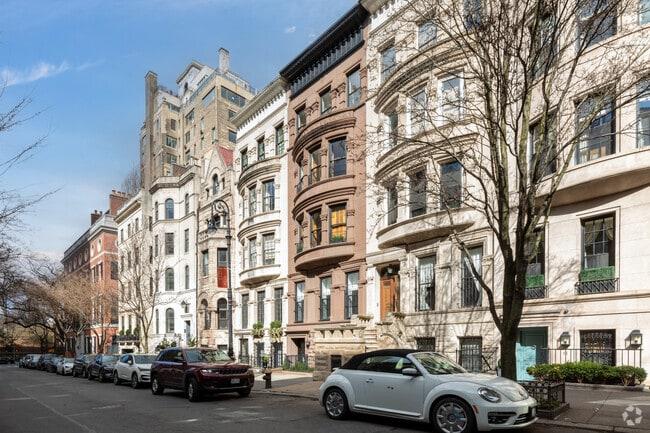
It is critical to distinguish between views and light. A mid-floor apartment overlooking a quiet, wide tree-lined street in the West Village may offer exceptional natural light without an iconic skyline view. Market data shows that buyers will often compromise on long-distance views, but they rarely compromise on ambient light. Dark, light-deprived units routinely face buyer resistance, requiring price adjustments or extended days on market to clear.
The Psychological & Financial Impact on Buyer Behavior
Luxury real estate acquisitions in New York are driven by a combination of quantitative value and qualitative appeal. Natural light plays a outsized role in both:
Spatial Perception: Natural light expands visual boundaries. A bright 1,000-square-foot two-bedroom feels noticeably larger, more usable, and more luxurious than an identical footprint with limited sun exposure.
Perceived Value & Maintenance: Bright apartments feel newer, cleaner, and better maintained. Shadow-heavy spaces tend to highlight minor cosmetic flaws and can inadvertently signal deferred maintenance to prospective buyers.
Wellness & Lifestyle ROI: Post-pandemic luxury buyers place a heavy emphasis on personal wellness, natural circadian rhythms, and work-from-home adaptability—all of which are directly enhanced by strong natural light.
Maximizing Natural Light Strategy Prior to Launch
If you own an apartment with good exposure, your goal is to amplify it. If your unit has moderate or challenging light, strategic presentation can mitigate buyer friction and protect your asking price.
1. Glass & Treatment Audit
Professional Window Restoration: Urban grime cuts light transmission by up to 15–20%. A full professional interior and exterior window cleaning is one of the highest-ROI pre-market prep steps available.
Window Treatment Optimization: Remove heavy, dark drapery or outdated blinds. Replace them with concealed, motor-ready solar shades or sheer tailored panels that frame the window frame without blocking incoming light.
2. Architectural Reflectivity
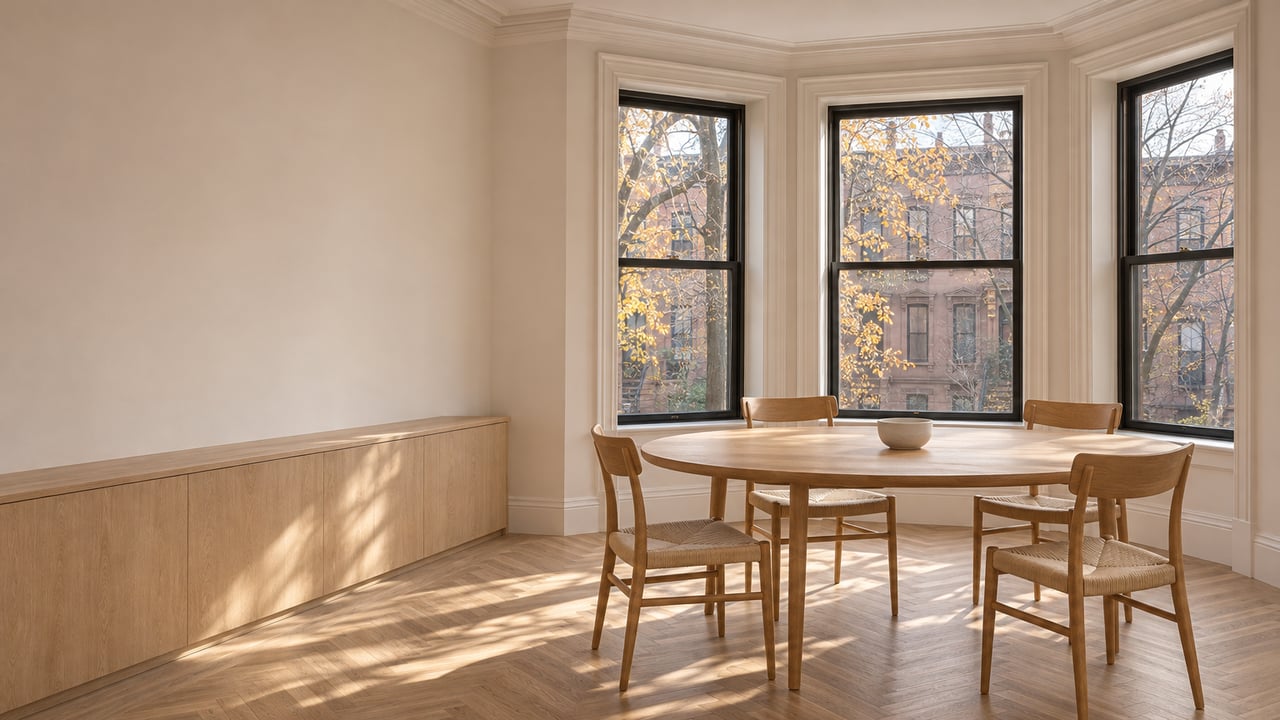
Wall Finishes: Shift away from matte or overly cool flat paints. High-end, soft reflective finishes (such as low-sheen satin or subtle off-whites with warm undertones) bounce natural light deeper into the floor plan.
Mirror Placement: Strategically placing floor-to-ceiling mirrors opposite window bays reflects exterior light into interior corridors, windowless foyers, or dining nooks.
3. Spatial Decluttering around Light Zones
Ensure furniture layouts do not obstruct window sills or block natural sightlines from the entryway. Low-profile furniture near perimeter walls keeps light paths unobstructed across the main living areas.
The Bottom Line
In Manhattan, natural light is a fundamental driver of asset liquidity. Properties with superior light profiles absorb faster and withstand broader market volatility more effectively than their darker counterparts.
When positioning a home for sale, framing its exposure through precise marketing and thoughtful staging isn't just about decoration—it is a critical strategy to capture maximum equity.
Evaluating a home purchase or preparing to market your Manhattan residence? Contact Iryna Ferenets for a comprehensive market evaluation and listing presentation analysis.