Trying to choose between a classic six and a condo on the Upper West Side? You are not alone. For many buyers, this decision is less about square footage alone and more about how you want to live, what kind of building rules you can handle, and how much flexibility you want down the road. If you are weighing prewar charm against modern convenience, this guide will help you compare the tradeoffs clearly. Let’s dive in.
Why This Choice Matters on the Upper West Side
On the Upper West Side, this is a very local question. The neighborhood is known for its prewar housing stock, easy access to parks and the river, and a housing mix that often puts classic co-op layouts side by side with newer condo living.
It is also a highly active market. Redfin reported a median sale price of $1.535 million in March 2026, with 407 homes sold and a 99.5% sale-to-list ratio. That kind of activity means buyers often need to decide quickly, but still make a smart long-term choice.
Another reason this comparison comes up so often is supply. New condo inventory on the Upper West Side is limited, and Bloomberg reported an estimate of just 51 new condo units coming to the neighborhood through 2028. That helps explain why classic six co-ops still make up such an important part of the local for-sale market.
What Is a Classic Six?
A classic six is a layout, not a legal ownership type. The term usually refers to a prewar six-room apartment with a living room, formal dining room, kitchen, two bedrooms, and a smaller room off the kitchen that was historically used as a maid’s room.
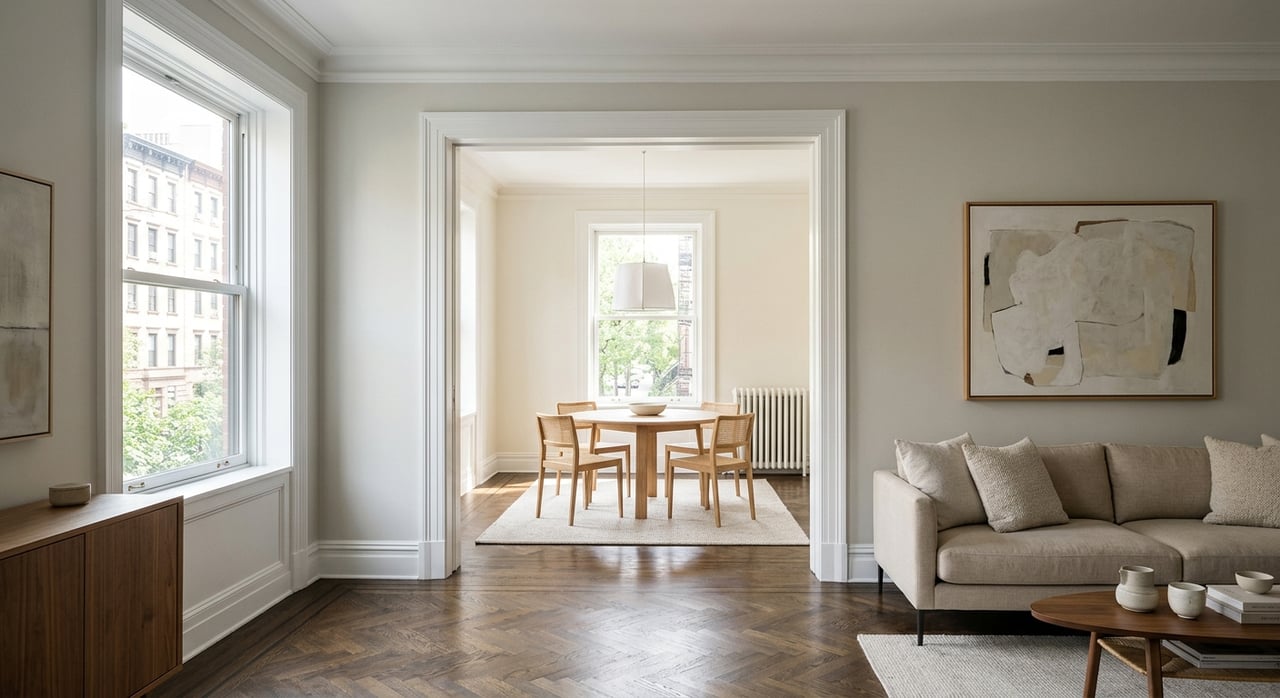
On the Upper West Side, these homes are commonly found in buildings dating back to the 1920s. Many also include features buyers still love today, such as higher ceilings, thick walls, oak floors, moldings, closets, and a more formal separation between living and dining spaces.
That layout can be especially appealing if you want flexibility inside the home without jumping to a much larger apartment. The extra room may work well as a home office, guest space, or additional storage area depending on the unit’s setup.
A Classic Six Is Often a Co-op
A classic six is not always a co-op, but on the Upper West Side, it most often is. That matters because the ownership structure shapes everything from your monthly costs to the approval process.
In a co-op, you buy shares in the corporation that owns the building and receive a proprietary lease for the apartment. In a condo, you own the unit directly and also hold an undivided interest in the common elements.
How a Condo Differs
A condo is defined by ownership, not by layout or age. On the Upper West Side, condos are often associated with newer construction, more streamlined buying, and greater flexibility after closing.
Many buyers are drawn to condos because they tend to be easier to purchase and easier to use in different ways over time. Compared with co-ops, condos are generally simpler to approve, and they usually offer more freedom around subletting, secondary residences, and future resale.
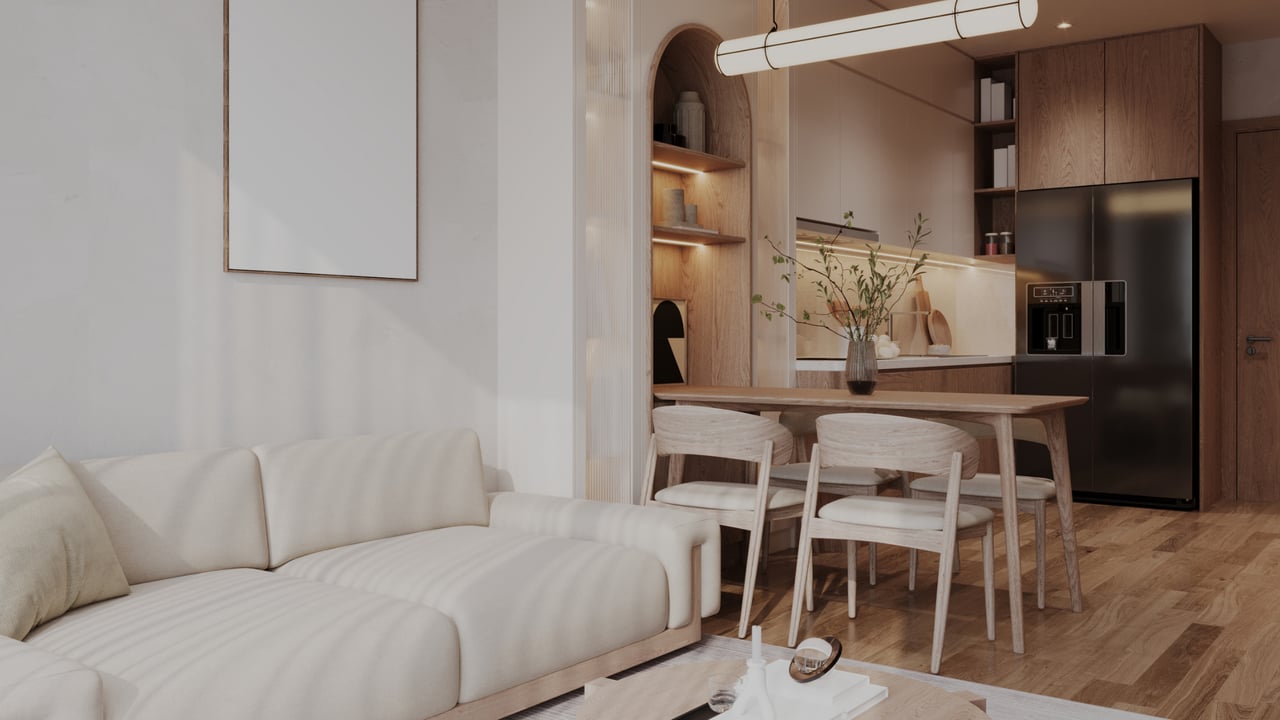
Condos also tend to come with a different amenity profile. On the Upper West Side, they are more likely to offer features such as gyms, lounges, pools, coworking areas, and other full-service conveniences that are less common in older co-op buildings.
Classic Six vs Condo: Key Differences
Here is where the decision becomes practical. If you are comparing two listings on the Upper West Side, these are often the biggest differences to keep in mind.
Ownership and Control
With a co-op, your purchase goes through a board review process that is usually more detailed. Buyers typically prepare a full board package, undergo financial review, and may be asked to attend an interview.
With a condo, the process is usually faster and less restrictive. That can be especially helpful if you are relocating, working on a tighter timeline, or simply want fewer hurdles between contract and closing.
Monthly Costs
Co-op monthlies often look higher at first glance, and there is a reason for that. In New York City’s class 2 structure, property taxes for co-ops are generally allocated through maintenance or common charges, rather than billed separately to each shareholder.
Condo owners are taxed as separate unit owners, so the tax bill is tied directly to the individual unit. When comparing listings, it is important to look at the full monthly picture rather than assuming one option is automatically more expensive.
Flexibility After You Buy
If future flexibility matters to you, condos usually have the edge. They are generally easier to rent out, easier to use as a pied-à-terre, and often easier to resell to a broader pool of buyers.
Co-ops usually come with more restrictions. Those rules can help preserve a building’s established culture, but they may also limit your options if your plans change later.
Space and Layout
Classic six apartments often win on room scale and layout separation. If you value formal dining, larger rooms, and a floor plan that feels distinct rather than open and uniform, a classic six may feel more comfortable and useful.
Condos may offer a more modern layout and finishes, but they do not always deliver the same room proportions or architectural detail found in prewar homes. This part of the decision often comes down to whether you prefer character and layout structure or newer finishes and building features.
Amenities and Lifestyle
If your daily routine depends on building amenities, a condo may be the better fit. Modern Upper West Side condos are typically where you will find gyms, lounges, pools, and coworking spaces.
If you care more about apartment character than amenity packages, a classic six may offer more value for your priorities. Many buyers are happy to trade a gym in the building for a more gracious layout and prewar detail.
Why Buyers Choose a Classic Six
Many Upper West Side buyers are drawn to classic sixes because they feel distinctive. These homes often offer a sense of proportion, craftsmanship, and privacy that can be harder to find in newer construction.
They can also make sense for buyers who plan to stay put for a while. If you are comfortable with board oversight and building rules, a classic six co-op may offer a strong mix of space, character, and potential value compared with a similar condo.
A classic six may be a strong match if you want:
- Larger, more defined rooms
- Prewar details and architectural character
- A formal dining area
- Space for a home office or guest room
- A long-term primary residence on the Upper West Side
Why Buyers Choose a Condo
Condos tend to appeal to buyers who want simplicity and flexibility. If you want a more direct ownership structure and fewer restrictions, a condo often provides a cleaner path.
They can also be a better fit if your needs may change. Whether you are buying a second residence, planning for future rental use, or simply want a faster and more predictable approval process, a condo may align better with your goals.
A condo may be a strong match if you want:
- Faster, simpler approval
- More freedom to rent the unit later
- A pied-à-terre or flexible-use property
- Newer construction or updated common spaces
- Amenity-focused living
Due Diligence Matters for Both
No matter which path you choose, building review is critical. The New York State Attorney General advises buyers to review the offering plan, board minutes, and financial statements carefully.
That step is especially important on the Upper West Side, where older buildings may need ongoing capital work. Buyers should pay close attention to major repair categories like facades, roofs, elevators, plumbing, electrical systems, and boilers.
This is where a listing can look perfect on the surface but tell a different story in the building documents. A beautiful apartment in a building facing major repairs may feel very different once you understand the financial picture.
A Practical Middle Ground
This is not always an either-or decision. Some buyers find the best fit in a renovated classic six that preserves prewar scale while updating the kitchen, baths, and everyday functionality.
That kind of home can offer a middle ground between old and new. You may get the Upper West Side character you want, while still enjoying a layout that supports modern work, hosting, and daily life.
How to Decide on the Upper West Side
If you are still torn, focus on how you will use the property over the next five to ten years. The right answer often becomes clearer when you stop comparing labels and start comparing lifestyle fit.
Ask yourself:
- Do you want character and room size, or amenities and flexibility?
- Are you comfortable with a detailed co-op board process?
- Might you want to rent the apartment out later?
- Do you want a primary residence or a secondary home?
- Are monthly costs clear once taxes and maintenance are fully understood?
On the Upper West Side, both options can be smart purchases. The better choice is usually the one that best matches your timeline, tolerance for rules, and long-term goals.
If you want help comparing a classic six co-op against a condo in real time, working with an advisor who understands both the numbers and the neighborhood can make the process much clearer. To talk through your options on the Upper West Side, connect with Iryna Ferenets.
FAQs
What is a classic six apartment on the Upper West Side?
- A classic six is usually a prewar six-room layout with a living room, formal dining room, kitchen, two bedrooms, and a smaller room off the kitchen. On the Upper West Side, it is most often found in co-op buildings.
Is a classic six always a co-op in Manhattan?
- No. Classic six refers to the layout and prewar style, not the ownership type, although on the Upper West Side it is commonly associated with co-ops.
Why do Upper West Side co-op monthly charges often seem higher?
- Co-op maintenance often includes building operating costs and the property taxes allocated by the building, while condo owners are generally billed as separate unit owners.
Are Upper West Side condos easier to buy than co-ops?
- In general, yes. Condos usually involve a simpler approval process, while co-ops often require a detailed board package, financial review, and sometimes an interview.
What should buyers review before buying a co-op or condo on the Upper West Side?
- Buyers should review the offering plan, board minutes, financial statements, and the condition of major building systems such as the facade, roof, elevators, plumbing, electrical systems, and boilers.
Why is the classic six vs condo debate so common on the Upper West Side?
- The neighborhood has a strong prewar identity, limited new condo supply, and an active market, so buyers often end up choosing between older co-op layouts and newer condo living.