Curious whether Greenpoint’s waterfront or its side streets are a better fit for your life? It is a smart question, because these two parts of the neighborhood can feel surprisingly different day to day. If you are weighing views, building style, parks, commuting, and the rhythm of daily life, this guide will help you compare the tradeoffs with more clarity. Let’s dive in.
How Greenpoint Splits in Two
Greenpoint has a clear physical and visual divide between its waterfront edge and its interior residential blocks. According to NYC Planning’s Greenpoint-Williamsburg materials, the upland part of the neighborhood was shaped to preserve a lower-rise scale, while the waterfront was expected to take on most of the new housing growth.
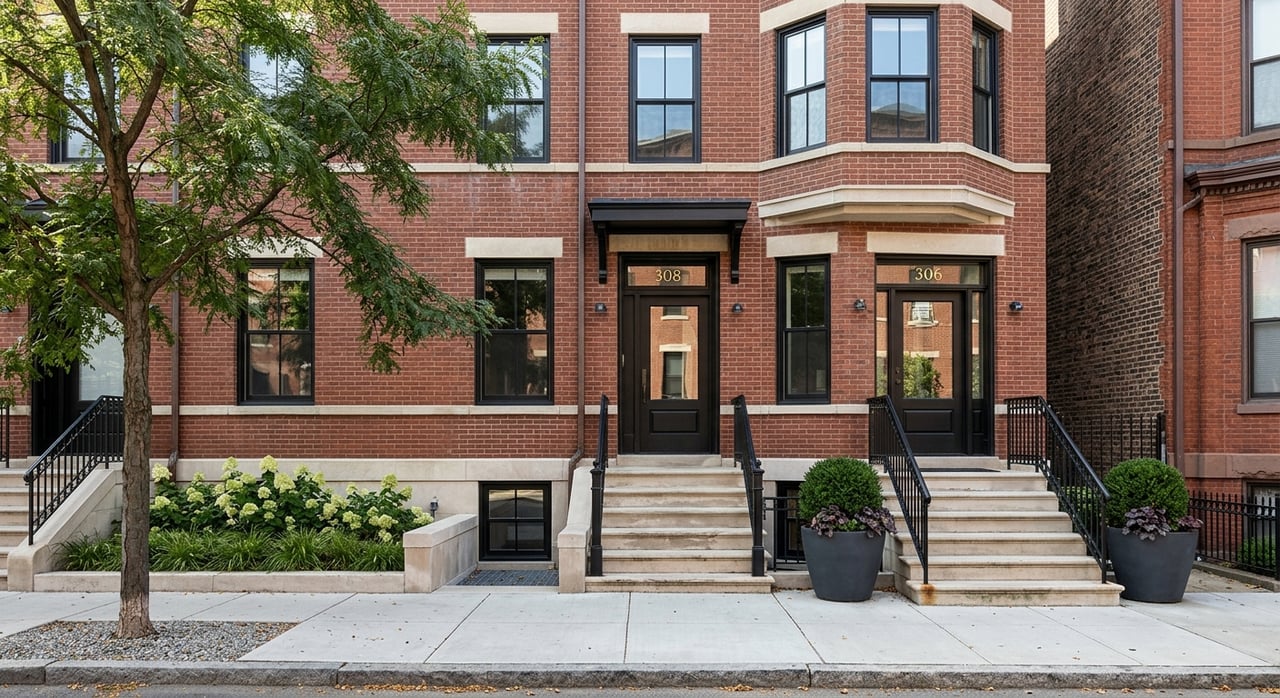
That difference still shows up on the ground. The side streets tend to feel more intimate and historically legible, with older building types like row houses, flats, and modest frame or masonry homes. The waterfront, by contrast, reads as newer, taller, and more open.
Waterfront Living in Greenpoint
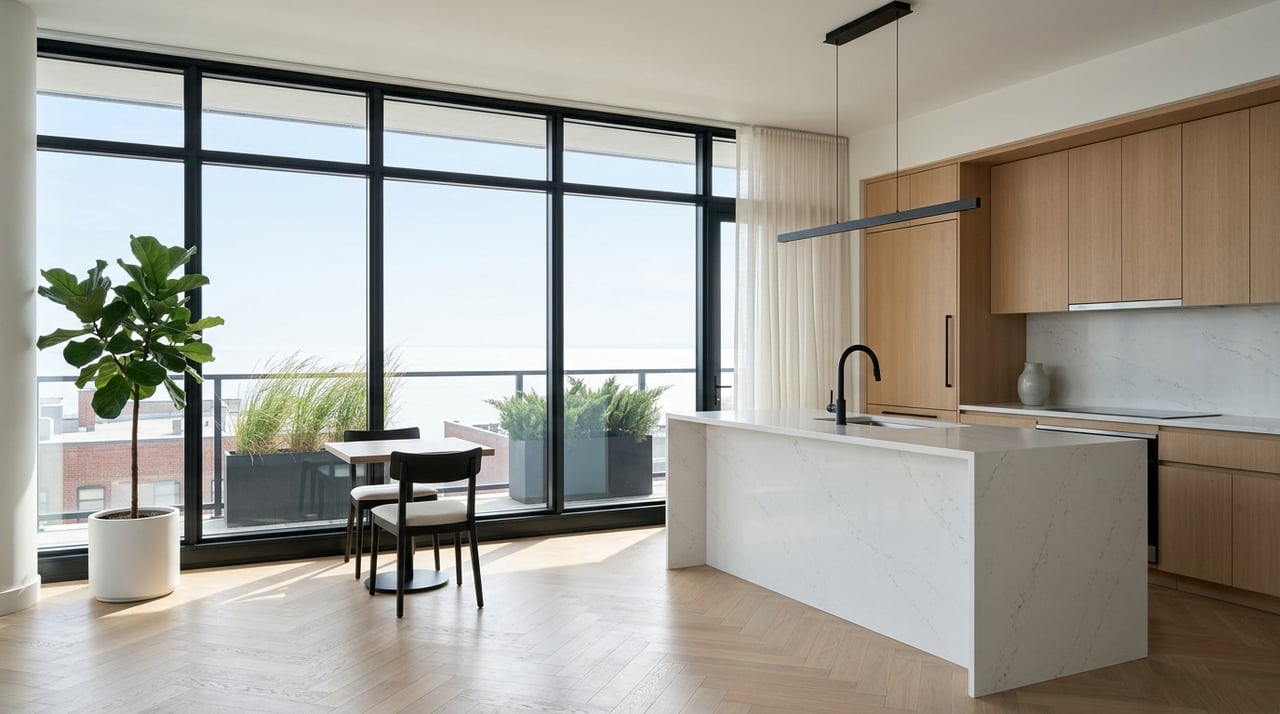
If you picture Greenpoint as sleek towers, open views, and a more modern residential setting, you are likely thinking about the East River side. This is where major redevelopment has taken shape, especially at Greenpoint Landing, a 22-acre site planned for about 5,500 homes and five acres of public open space.
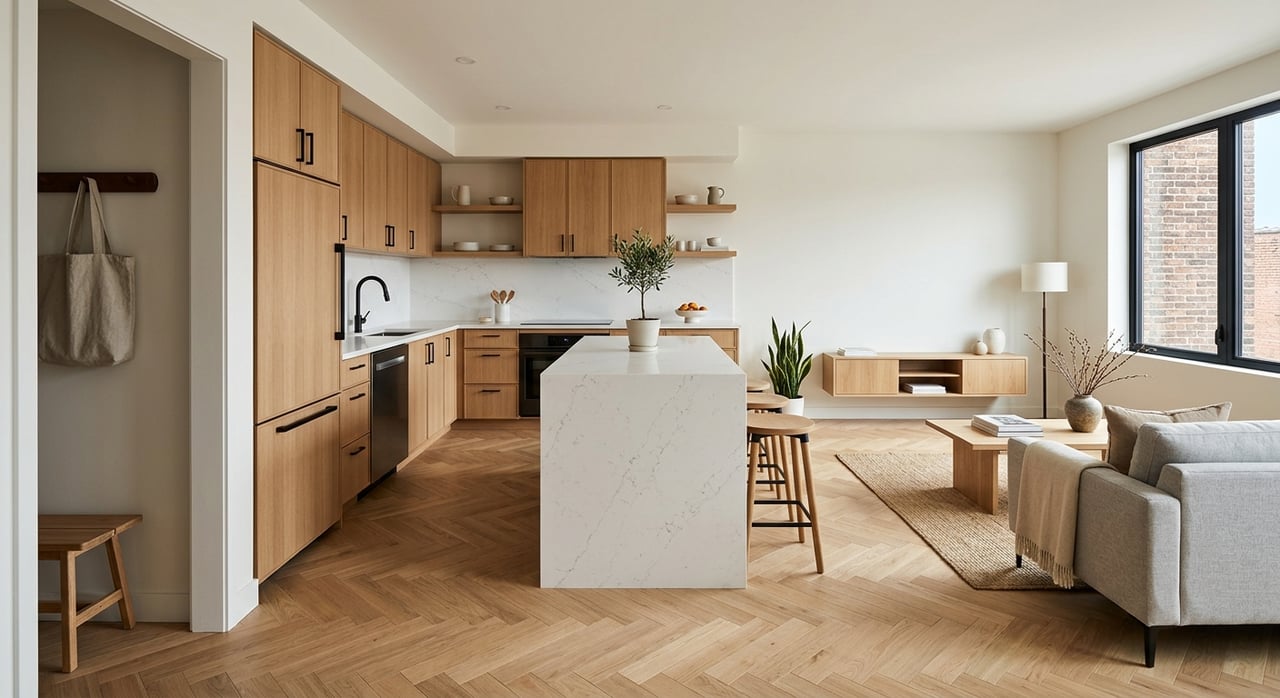
That newer framework gives the waterfront a very different feel from the rest of the neighborhood. Public access at the water’s edge is a major part of the zoning approach, which helps create a more open, promenade-style environment. In practical terms, you are more likely to find newer condos and larger residential buildings here than on the interior blocks.
East River Waterfront Feel
The East River edge is the version of Greenpoint waterfront living that most buyers and renters imagine first. It offers skyline views, direct park access, and a stronger sense of openness than you get on many inland blocks.
WNYC Transmitter Park plays a big role in that lifestyle. The park spans 6.61 acres and includes a lawn, play areas, spray showers, sand-and-water stations, nature gardens, a reconstructed wetland shoreline, and a pier with Manhattan skyline views. If daily walks, outdoor downtime, or waterfront recreation matter to you, that can be a real draw.
North Waterfront Feels Different
Not every part of the waterfront feels polished or residential in the same way. On the north edge near Newtown Creek, the atmosphere is more industrial and infrastructure-adjacent.
The Newtown Creek Nature Walk is a good example of that distinction. NYC DEP describes it as a reclaimed shoreline promenade alongside the wastewater resource recovery facility. So yes, it is still waterfront access, but it offers a very different experience from the more park-oriented East River frontage.
Who Often Prefers the Waterfront
The waterfront may suit you best if you want:
- Newer residential buildings
- More open views and a less enclosed streetscape
- Easy access to waterfront parks and promenades
- Ferry access nearby
- Stronger connection to the Brooklyn Waterfront Greenway for biking
For many people, the appeal is simple. The waterfront feels more plugged into new development, open space, and a modern residential routine.
Side Street Living in Greenpoint
If you are drawn to quieter blocks, lower-rise buildings, and a more traditional neighborhood feel, Greenpoint’s side streets may be the better match. NYC Planning’s contextual rezoning aimed to preserve the existing residential scale, with many side-street areas mapped for buildings that typically rise around 4 to 5 stories.
That lower profile shapes how the neighborhood feels as you walk through it. Instead of towers and broad waterfront openings, you get a more enclosed and local street rhythm. For many buyers and renters, that is the part of Greenpoint that feels most like “old Greenpoint.”
Historic Scale and Housing Mix
The Greenpoint Historic District helps explain why the side streets feel so distinct. The area includes a wide range of older building types, including flats, row houses, and modest dwellings, which gives the interior blocks a layered and historic texture.
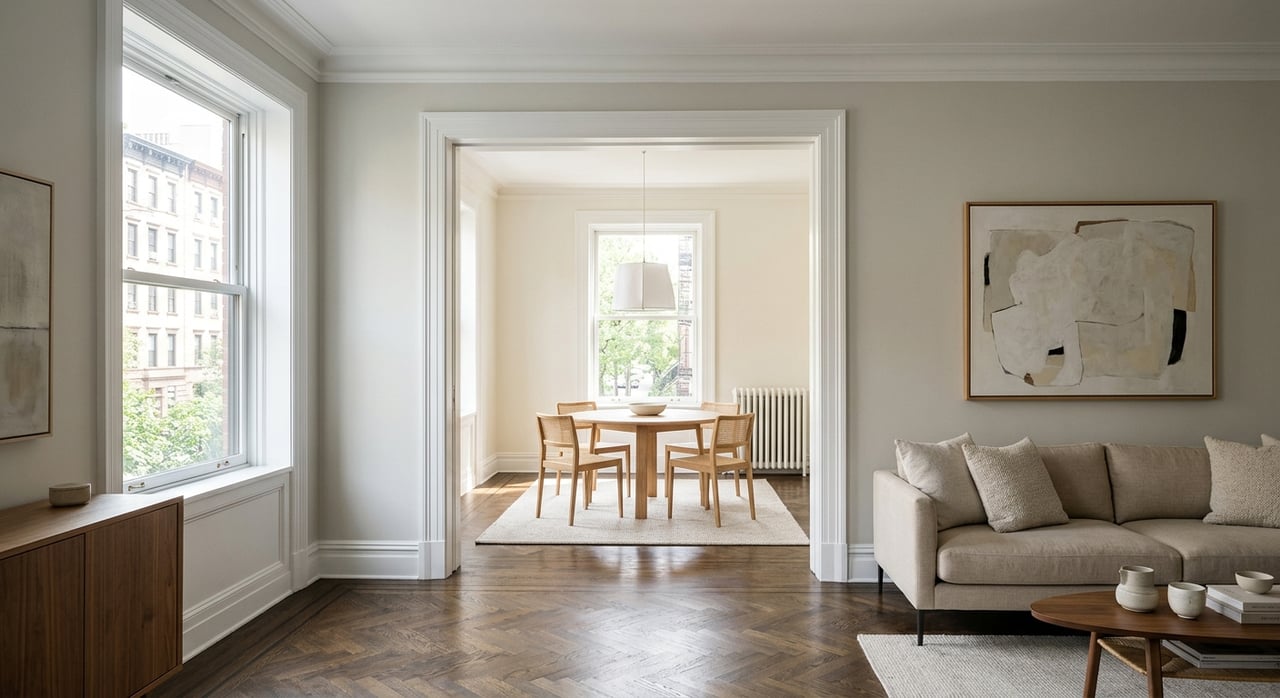
This also affects the housing search itself. Side-street inventory is more likely to include row houses, walk-ups, and smaller prewar buildings rather than large towers. If you value architectural character and a more established streetscape, this part of Greenpoint often stands out.
Daily Life on the Interior Blocks
The side streets are less about a destination promenade and more about everyday neighborhood routine. Retail and dining are concentrated on key corridors, especially Manhattan Avenue, rather than deep inside the residential grid.
That layout can be appealing if you want a clear separation between home and activity. You can live on a quieter block and still be close to restaurants, shops, and errands without feeling like you are in the middle of the busiest stretch all day.
Parks Near the Side Streets
Interior Greenpoint is anchored more by neighborhood parks than by the shoreline. McCarren Park, at about 36.5 acres, offers a wide range of active recreation facilities, including a pool, track, courts, fields, and restrooms.
Monsignor McGolrick Park offers a different pace. At 9.134 acres, it is described in the city’s open-space analysis as almost exclusively passive open space. Together, these parks help shape a side-street lifestyle that feels rooted in routine, local movement, and familiar neighborhood stops.
Waterfront vs Side Streets: Key Tradeoffs
Choosing between these two parts of Greenpoint often comes down to how you want your day to feel. One is not better than the other across the board. It depends on what you value most.
| Feature | Waterfront | Side Streets |
|---|---|---|
| Building style | Newer, taller residential buildings | Lower-rise buildings, row houses, walk-ups |
| Streetscape | Open, airy, promenade-oriented | Intimate, enclosed, neighborhood-scaled |
| Parks and open space | Waterfront parks, promenades, greenway access | Larger local parks and everyday park use |
| Housing feel | Modern and amenity-forward | Historic and more traditional |
| Daily routine | Views, walking paths, ferry, biking | Corridors, errands, local parks, quieter blocks |
Pricing Context in Greenpoint
For neighborhood-wide context, StreetEasy currently shows a median sale price around $1.7 million and a median base rent around $4,650 in Greenpoint. That is a broad snapshot for the neighborhood, not a direct waterfront-versus-side-street comparison.
Still, the housing stock gives you a useful clue. Waterfront inventory generally skews newer and tower-based, while side-street inventory tends to include row houses, walk-ups, and smaller prewar buildings. If you are comparing options, it helps to focus less on one neighborhood-wide number and more on building type, condition, and exact location.
Commuting and Getting Around
Greenpoint works well for many city lifestyles, but transit access varies depending on where you live. The core subway option is the G train, with stations at Greenpoint Avenue and Nassau Avenue, and Greenpoint Avenue is shown by the MTA as ADA accessible.
Bus service adds flexibility. The B62 stops at Manhattan Avenue and Greenpoint Avenue as well as Manhattan Avenue and India Street, while the B43 runs via Manhattan Avenue, Graham Avenue, Tompkins Avenue, and Throop Avenue.
Waterfront Commute Advantages
The waterfront has a few specific mobility benefits. The East River ferry serves Greenpoint at 10 India Street, with service to Wall Street/Pier 11, DUMBO, and East 34th Street under the current East River route pattern.
Bike commuters may also notice a clear advantage along the edge of the neighborhood. The Brooklyn Waterfront Greenway runs along Brooklyn’s waterfront and makes the waterfront feel more directly connected to broader bike infrastructure.
Side Street Commute Advantages
The side streets often put you closer to the neighborhood’s core corridors and subway access points, depending on the exact block. If your daily routine revolves around Manhattan Avenue, local errands, or the G train, an inland location may feel more practical.
This is why commute planning in Greenpoint is rarely just about distance on a map. It is really about which mode you use most often, and how much you value ferry access, bike routes, or quick access to main neighborhood corridors.
Which Part of Greenpoint Fits You?
If you want open views, newer housing, waterfront parks, and a more modern residential setting, the waterfront may be the stronger fit. If you want lower-rise blocks, classic building stock, and a daily routine tied to neighborhood corridors and local parks, the side streets may feel more natural.
In many searches, the right answer is not just “waterfront” or “side streets.” It is a more precise match between your lifestyle, your budget, and the exact kind of building you want. In Greenpoint, small location shifts can change your experience more than you might expect.
If you are thinking about buying, selling, renting, or investing in Greenpoint, working with someone who can help you compare block-by-block tradeoffs can save time and sharpen your decision. For tailored guidance across Brooklyn and NYC, connect with Iryna Ferenets.
FAQs
Is Greenpoint waterfront living the same across the whole neighborhood?
- No. The East River waterfront is more residential, open, and park-oriented, while the north edge near Newtown Creek feels more industrial and infrastructure-adjacent.
Are Greenpoint side streets mostly low-rise?
- Yes. NYC Planning’s contextual zoning aimed to preserve a lower-rise residential scale on many side streets, with typical building forms around 4 to 5 stories in key areas.
Is the Greenpoint waterfront mostly new development?
- Much of the largest and newest housing development is concentrated on the waterfront, including Greenpoint Landing, which is planned for about 5,500 homes and five acres of public open space.
What parks shape daily life in Greenpoint?
- Waterfront life is closely tied to places like WNYC Transmitter Park and the shoreline promenade areas, while side-street life is more tied to McCarren Park and Monsignor McGolrick Park.
Is Greenpoint good for commuting without a car?
- Yes. Greenpoint has G train service, bus routes including the B62 and B43, ferry access at India Street, and bike connections via the Brooklyn Waterfront Greenway.
Are Greenpoint prices lower than nearby neighborhoods?
- StreetEasy notes that Greenpoint prices tend to run below Williamsburg and Long Island City, while still reflecting upward pressure from newer waterfront development.