If you are thinking about buying a rental property in Greenpoint, the headline numbers can look both exciting and intimidating. Rents are high, demand is strong, and the neighborhood remains deeply renter-driven, but small investors also need to pay close attention to regulation, operating costs, and building-specific details. This guide will help you understand the basics of the Greenpoint rental market so you can evaluate opportunities with more confidence. Let’s dive in.
Greenpoint Is Still a Renter Market
Greenpoint sits within Brooklyn Community District 1, which is often the closest neighborhood-level data source for Greenpoint and Williamsburg together. In 2023, the area had an estimated 191,029 residents, a median household income of $115,720, and a homeownership rate of just 16.1%.
That low homeownership rate matters because it shows how renter-heavy the local housing market still is. For a small investor, that supports the basic case for rental demand, especially if you are comparing Greenpoint to more owner-occupied neighborhoods where tenant demand may be less consistent.
Rent Levels Are High Across Unit Sizes
Greenpoint is one of New York City’s more expensive rental submarkets. Furman ranks Greenpoint and Williamsburg 10th among the city’s 59 neighborhoods for rent expense.
Current asking-rent data also show a clear pricing ladder by apartment size. As of May 2026, average monthly asking rents were:
- Studio: $3,469
- One-bedroom: $4,464
- Two-bedroom: $6,159
- Three-bedroom: $10,312
For small investors, that unit-size spread is useful because it helps frame revenue potential. It also suggests that studios through two-bedrooms are key parts of the local rental conversation, especially when you are comparing acquisition price, renovation scope, and likely monthly income.
New Supply Has Been Significant
Greenpoint has added a large number of housing units over the past decade plus. From 2010 to 2024, Greenpoint and Williamsburg added 24,491 housing units, including 19,449 market-rate units and 5,042 income-restricted units.
Even in 2024 alone, the area recorded 910 residential units permitted and 3,281 certificates of occupancy issued. That tells you two things at once: supply has grown meaningfully, and yet the neighborhood still remains a tight rental market.
What New Development Means for Investors
More supply does not mean every property competes on equal footing. The post-2010 additions have largely been in buildings with four or more units, and 79% of those new units are market-rate.
That creates a competitive landscape where older walk-ups, small multifamily buildings, converted lofts, and newer amenity-rich properties all coexist. If you are a small investor, you should underwrite your property against the right competitive set, not against the entire neighborhood at once.
Greenpoint Offers Several Rental Product Types
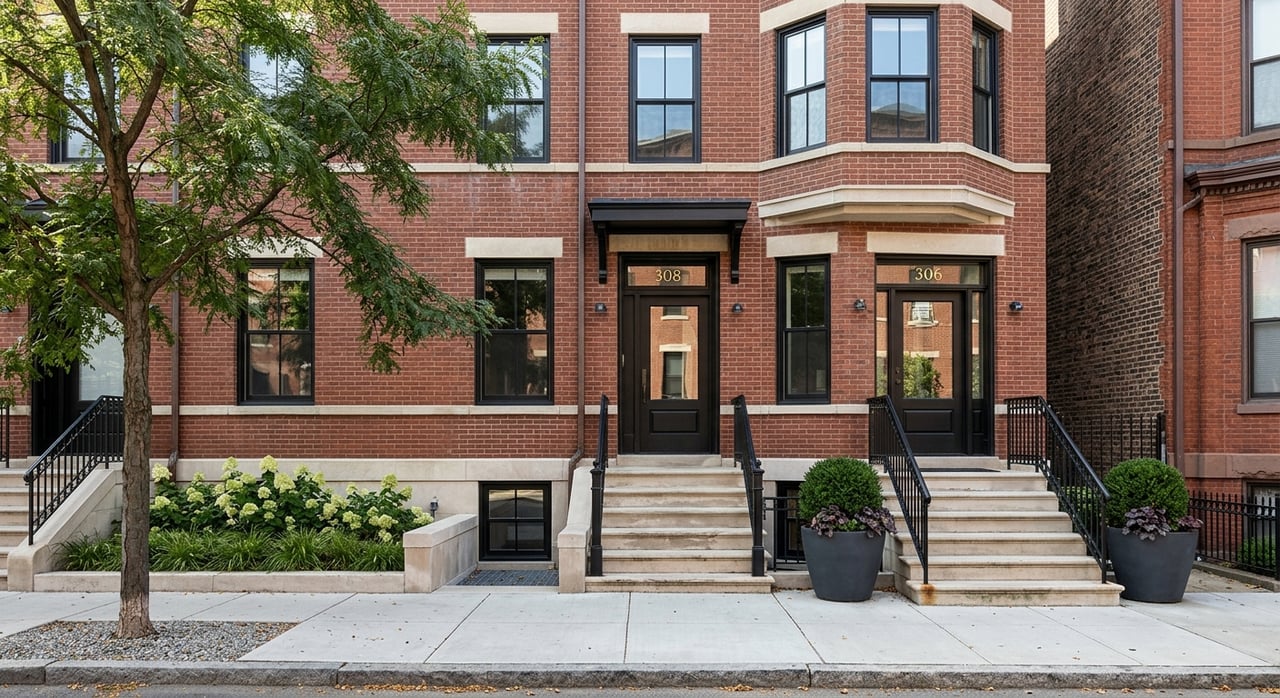
One of Greenpoint’s defining features is product variety. The neighborhood includes historic low-rise housing, townhouses, converted loft and warehouse buildings, and newer mid-rise and high-rise developments.
That matters because tenant expectations can differ depending on the property type. A renter looking at a prewar walk-up may value layout, character, and location, while a renter comparing newer buildings may focus more on building amenities and newer finishes.
Why Product Positioning Matters
For a small investor, success is often less about owning in Greenpoint generally and more about knowing exactly what your unit is competing against. A renovated one-bedroom in a small multifamily may perform very differently from a similar-sized unit in a large new building.
That is why clear positioning matters. You want to understand whether your asset competes on price, condition, building style, or location within the neighborhood.
Demand Is Supported by Daily Convenience
Greenpoint benefits from a strong amenity base that helps support renter demand. Local rental data sources highlight parks, restaurants, cafés, shopping, ferry access, and bike-friendliness as important neighborhood features.
The area also has a strong commuter profile. Furman reports that 85.4% of commuters travel car-free, and the mean travel time to work is 35.1 minutes.
What Renters Often Value Here
Those numbers suggest a renter pool that often prioritizes convenience over car ownership. In practical terms, many renters are likely weighing access to Manhattan and nearby job centers alongside neighborhood feel, retail options, and everyday livability.
For investors, this means your underwriting should account for location utility, not just square footage. A unit with practical access to transit, ferry service, or neighborhood amenities may have stronger appeal than a similar unit without those advantages.
Vacancy Is Low, but That Is Not the Whole Story
In 2023, the Greenpoint and Williamsburg rental vacancy rate was 2.0%. That was above the citywide net rental vacancy rate of 1.4%, but it still points to a tight market by normal housing standards.
Low vacancy is important because it suggests limited slack. In plain terms, the larger issue for many owners may not be whether a tenant exists, but how efficiently a unit turns and what the next lease looks like within the building’s legal and market context.
Rent Growth Has Been Strong
Furman shows rents rising 7.9% from 2022 to 2023 in Greenpoint and Williamsburg. That kind of growth helps explain why the neighborhood attracts investor interest.
At the same time, affordability pressure is real. In 2023, 22.4% of renter households were severely rent-burdened, and only 20.6% of rental units were affordable at 80% of area median income.
Those figures point to a market with sustained demand and limited affordability cushion. For investors, that means pricing power exists, but tenant budgets are not unlimited.
Operating Costs Can Change the Math Fast
In New York City, rent is only one side of the investment story. The 2025 NYC Rent Guidelines Board Income and Expense Study shows that taxes made up 27.2% of operating costs citywide, followed by maintenance at 17.4%, administration at 12.7%, labor at 11.3%, utilities at 10.0%, insurance at 8.2%, fuel at 7.6%, and miscellaneous at 5.5%.
That breakdown is useful because it shows where pressure can build. For a small investor, taxes, maintenance, and insurance deserve close review before you assume a property’s gross rent will translate into strong net income.
Expenses Are Rising
The 2025 Price Index of Operating Costs increased 6.3% year over year. Some of the biggest increases came from insurance, up 18.7%, fuel, up 10.3%, utilities, up 8.2%, and taxes, up 3.9%.
This is one reason small investors should be cautious about relying on headline rent growth alone. A property can sit in a strong rental market and still underperform if expense growth is not built into your analysis.
Rent Stabilization Is a Core Due Diligence Issue
In Greenpoint, rent regulation is not a side issue. It is central to underwriting.
Under current NYC Rent Guidelines Board rules, rent-stabilized leases that start or renew between October 1, 2025 and September 30, 2026 can increase by 3% for a one-year lease or 4.5% for a two-year lease. That creates a very different income-growth path than a market-rate unit.
Which Buildings May Be Affected
New York City notes that apartments are more likely to be rent stabilized in buildings with six or more units built before 1974. Some newer apartments may also be rent stabilized because of tax benefits or other regulatory agreements.
That means you cannot assume newer equals market-rate or older equals unrestricted. You need to review the actual regulatory status of the asset you are considering.
Why 421-a Matters in Greenpoint
Greenpoint and Williamsburg contain a large amount of subsidized and tax-incentivized housing. As of 2024, Furman counted 518 subsidized properties in the area, including 22,569 421-a units.
HPD states that market-rate rental units in 421-a projects become subject to rent stabilization for the duration of the tax benefits. Furman also reports that 540 units tied to housing programs are scheduled to expire between 2025 and 2030.
For a small investor, this is a major point of due diligence. Tax-benefit status, subsidy status, and expiration timelines can directly affect rent growth assumptions, compliance obligations, and future asset positioning.
What Small Investors Should Focus On
If you are evaluating a Greenpoint rental property, the best opportunities usually come from disciplined underwriting rather than broad neighborhood hype. This market offers strong demand, but the details of the building matter as much as the address.
Focus on the variables that most directly affect performance:
- Building age
- Property type
- Unit mix
- Market-rate versus rent-stabilized status
- Tax-benefit or subsidy status
- Operating cost trends
- Expected turn time between tenants
A small multifamily, condo rental, or townhouse unit can each work differently in Greenpoint. The goal is to match the asset to a realistic rental strategy, not to assume all Greenpoint properties will perform the same way.
A Practical Greenpoint Investment Takeaway
Greenpoint stands out as a renter-heavy neighborhood with expensive asking rents, low vacancy, and a broad mix of housing types. At the same time, it is a market where operating costs, rent stabilization, and tax-benefit details can shape returns just as much as monthly rent.
If you are a small investor, the basics are clear: demand is strong, competition is varied, and the smartest decisions come from careful property-level analysis. In a neighborhood like Greenpoint, understanding the structure behind the rent roll is often what separates a promising deal from a risky one.
If you want help evaluating a Greenpoint rental opportunity with a more analytical lens, Iryna Ferenets offers investor-focused guidance across Brooklyn, Manhattan, and Queens.
FAQs
What makes the Greenpoint rental market appealing to small investors?
- Greenpoint remains heavily renter-driven, with a 16.1% homeownership rate, high asking rents, and a 2.0% vacancy rate that points to continued rental demand.
What are average rents in Greenpoint by unit size?
- As of May 2026, average asking rents were $3,469 for studios, $4,464 for one-bedrooms, $6,159 for two-bedrooms, and $10,312 for three-bedrooms.
What property types are common in the Greenpoint rental market?
- Greenpoint includes historic low-rise housing, townhouses, converted loft and warehouse buildings, and newer mid-rise and high-rise developments.
Why does rent stabilization matter in Greenpoint investment analysis?
- Rent stabilization can limit how much rent increases on eligible units, and in Greenpoint some apartments may also be stabilized through tax-benefit programs such as 421-a.
What operating costs should Greenpoint rental property investors watch most closely?
- Based on NYC Rent Guidelines Board data, taxes, maintenance, administration, labor, utilities, and insurance are major cost categories, with insurance, fuel, and utilities showing notable recent increases.
What should small investors review before buying a Greenpoint rental property?
- You should closely review building age, unit mix, rent-regulated status, subsidy or tax-benefit status, current operating costs, and how the property compares with its direct competitive set in the neighborhood.