Wondering if Ridgewood is the right place to buy your first multi-family property? It can be an appealing option if you want to live in one unit, collect rent from the others, and build equity in New York City. But Ridgewood is not a simple plug-and-play market, and your success will depend on how well you evaluate rent potential, older-building risk, and financing upfront. Let’s dive in.
Why Ridgewood gets attention
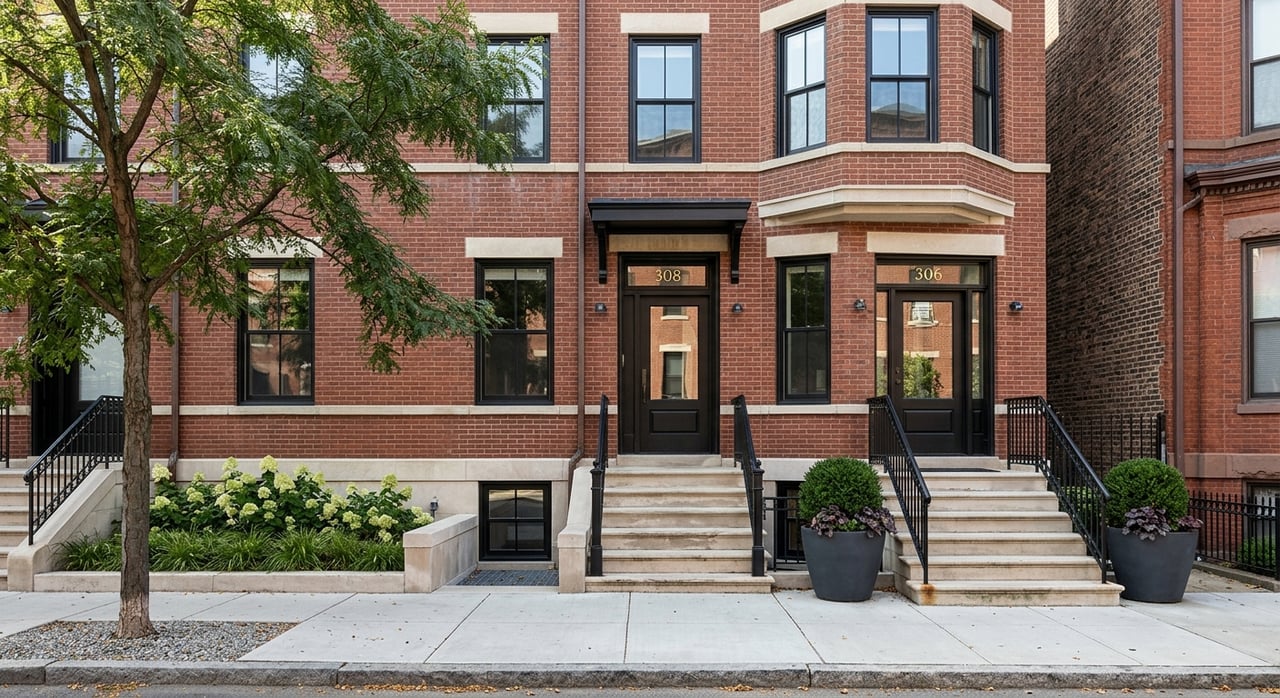
Ridgewood has long attracted buyers who want a more practical path into property ownership. City sources describe the neighborhood as a place with brick and stone one- and two-family homes, along with rows of small multiple dwellings from the early 20th century. That matters because the housing stock naturally creates opportunities for buyers looking at duplexes, triplexes, and other small multi-family properties.
Ridgewood also has a long history of owner-occupied multi-family living. The Landmarks Preservation Commission notes that historic owners often lived in one apartment and rented the others to help cover the mortgage and maintenance. If that sounds like your goal, Ridgewood fits that pattern better than many neighborhoods that lean more heavily toward either single-family homes or large apartment buildings.
Ridgewood housing stock at a glance
In the broader Inner Ring profile that includes Ridgewood, 49% of residential buildings are 1-2 unit properties, 24% are 3-4 unit buildings, and 27% are 5+ unit buildings. A substantial majority were built before 1938. For a first-time multi-family buyer, that mix is important because it means you are likely shopping in a market with many smaller residential income properties, but also many older buildings.
Older housing can offer character, layout flexibility, and the chance to offset costs with rental income. It can also come with more repair needs, compliance questions, and renovation limits than a newer building. In Ridgewood, you should expect both sides of that equation.
Rental demand looks real
If you are buying your first multi-family, rental demand is usually a major part of the decision. Ridgewood shows strong signs of a renter-heavy market. In the 2010 Census NTA table, the neighborhood had 25,731 housing units, with 18,811 renter-occupied units, or 78.6% renter occupancy.
That does not mean every property performs the same way. It does mean Ridgewood should not be viewed only as an owner-occupant area. If you plan to buy a two- to four-unit property, you need to think like both a homeowner and a landlord from day one.
What current rents suggest
Published rental listings point to meaningful rent support in Ridgewood. Current listings show 1-bedroom base rents from $2,725 to $3,395, 2-bedrooms from $2,950 to $4,150, and 3-bedrooms from $3,350 to $5,500. The inventory spans two-family homes, three-family homes, four-family homes, mixed-use buildings, condos, and newer rental buildings.
That is encouraging, but the headline numbers do not tell the whole story. The quoted figures are base rent only, and some listings include free-rent concessions that can reduce the net effective rent. For underwriting, that means you should not simply plug in the highest asking number and assume it will hold.
Why asking rent is not your actual income
For a first purchase, it is easy to focus on gross rent and miss the details that shape your real monthly performance. In Ridgewood, those details can include:
- Unit condition n- Renovation level
- Layout and size
- Whether concessions are being offered
- Vacancy between tenants
- Ongoing repair and maintenance costs
A duplex or triplex can look great on paper if you use top-line rent, but feel very different once turnover, repairs, and concessions are factored in. In an older neighborhood, conservative math is usually the smarter starting point.
Older buildings can change the risk
A big reason Ridgewood may or may not be right for you is the age of the housing stock. Many buildings in the area were built long before modern systems, materials, and compliance rules. That does not make them bad investments, but it does mean you need to understand what comes with ownership.
NYC311 says lead-based paint is presumed in dwelling units and common areas if a building was built before January 1, 1960, has tenant-occupied apartments, and a child under six lives there or spends 10 or more hours there. Owners must also send an annual lead and window-guard notice to tenants in buildings with rental units. If you are buying an older multi-family in Ridgewood, these are not side issues. They are part of the job.
Rent regulation can affect your plans
Another issue to review carefully is whether any unit may be rent-stabilized or rent-controlled. NYC311 says rent-stabilized apartments are generally in buildings with six or more apartments built before January 1, 1974 and not co-ops or condos. It also says rent-controlled apartments are generally in buildings built before February 1, 1947 with continuous occupancy.
For many first-time buyers, this is where a property can look simple at first and become more complex during due diligence. Age, unit count, and occupancy history can all affect renovation plans, rent growth, and long-term cash flow. You want clarity on these points before you make an offer, not after contract.
Tenant risk deserves conservative planning
Ridgewood sits in a market where tenant-related risk should be modeled carefully. NYC Health’s Ridgewood-Forest Hills housing report shows 45.1% rent burden, 7.2% crowding, and 3.9 court-ordered evictions per 10,000 homes. This is a combined-area report rather than Ridgewood alone, but it still gives useful context.
For you, the takeaway is simple: do not assume perfect collections, instant lease-up, or zero turnover cost. Build in room for vacancy, repairs between tenants, and slower transitions. A first multi-family is often more manageable when the numbers still work under moderate stress, not just best-case conditions.
Financing can make or break the deal
The right financing structure can turn a good Ridgewood opportunity into a workable first purchase. It can also expose weak assumptions very quickly. Before you shop seriously, it helps to know how lenders may view a small multi-family property.
HUD says FHA loans can be used on 1-4 unit properties and may require as little as 3.5% down. Fannie Mae says rental income from a two- to four-unit principal residence can be used in qualifying, and that rental income used in qualifying has no restrictions in that scenario. Fannie Mae also says DU requires six months of reserves for a two- to four-unit principal residence transaction.
CFPB notes that lenders can charge slightly more for loans to buy a home with more than one unit. That is why comparing Loan Estimates early matters. The property may still work well, but your payment, reserves, and pricing can look different from a standard one-unit purchase.
Questions to ask your lender early
Before you make an offer in Ridgewood, ask these questions:
- Will this be treated as an owner-occupied two- to four-unit purchase?
- How much projected rental income will count toward qualification?
- What reserve requirement applies to this property type?
- Does the number of units change my interest rate or loan pricing?
- Are there extra underwriting concerns tied to condition or occupancy?
These questions matter even more in a neighborhood with older buildings and active rental demand. The more clearly you understand your financing box, the more confidently you can evaluate real opportunities.
So, is Ridgewood right for your first multi-family?
Ridgewood can be a strong fit if you want to house hack, live in one unit, and use rental income to offset ownership costs. The neighborhood has a meaningful supply of small residential buildings, a renter-heavy profile, and visible rent support across different unit types. That combination gives first-time buyers a real foundation to work with.
At the same time, Ridgewood is usually a better fit for someone who is comfortable with older-building due diligence and active property management. If you want a hands-off experience, the neighborhood’s age, compliance needs, and tenant dynamics may feel heavier than expected. If you are analytical, realistic, and prepared, Ridgewood may offer one of the more practical entry points into small multi-family ownership in Queens.
Buying your first multi-family is both a housing decision and a financial one. If you want clear numbers, smart underwriting, and hands-on guidance as you compare Ridgewood opportunities, Iryna Ferenets can help you evaluate the deal from both angles.
FAQs
Is Ridgewood a good neighborhood for a first multi-family buyer?
- Ridgewood can be a good fit if you want to live in one unit and rent the others, especially because the area has many small residential buildings and a strong renter presence.
What types of multi-family properties are common in Ridgewood?
- Ridgewood includes many 1-2 unit and 3-4 unit buildings, along with older small multiple dwellings that can appeal to first-time buyers looking for owner-occupied income property.
Do older Ridgewood buildings create extra risk for buyers?
- Yes, older buildings can bring added repair, maintenance, and compliance responsibilities, including possible lead-based paint and tenant notice requirements.
Can rental income help you qualify for a Ridgewood multi-family purchase?
- Yes, according to Fannie Mae, rental income from a two- to four-unit principal residence can be used in qualifying, but your lender will determine how the file is underwritten.
Should you use asking rents to underwrite a Ridgewood property?
- No, you should treat asking rents as a starting point and adjust for concessions, vacancy, unit condition, and normal turnover costs.
Is Ridgewood a hands-off investment market for first-time buyers?
- Usually not, because the neighborhood’s older housing stock and tenant-heavy environment often require more active management and careful planning.