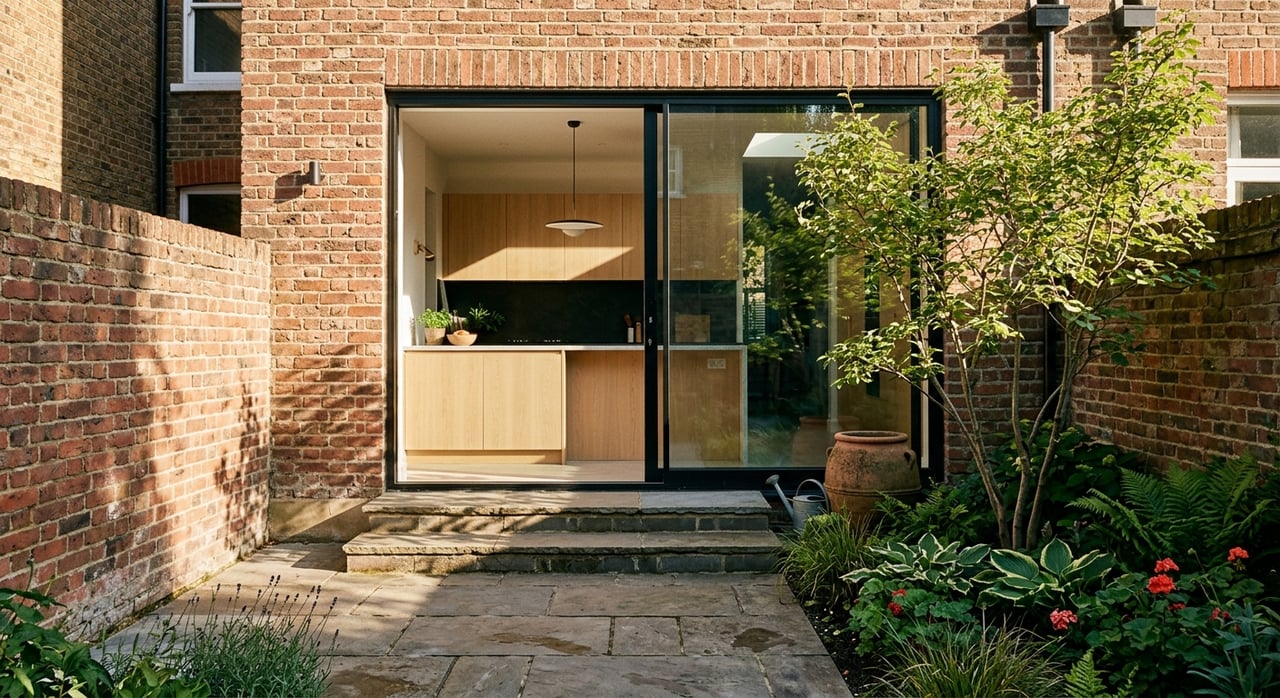
Choosing between a Park Slope townhouse and a condo is not just about square footage or price. It is about how you want to live for the next 5, 10, or 15 years in one of Brooklyn’s most established residential neighborhoods. If you are weighing privacy, maintenance, outdoor space, and long-term value, this guide will help you sort through the tradeoffs with more clarity. Let’s dive in.
Why this choice matters in Park Slope
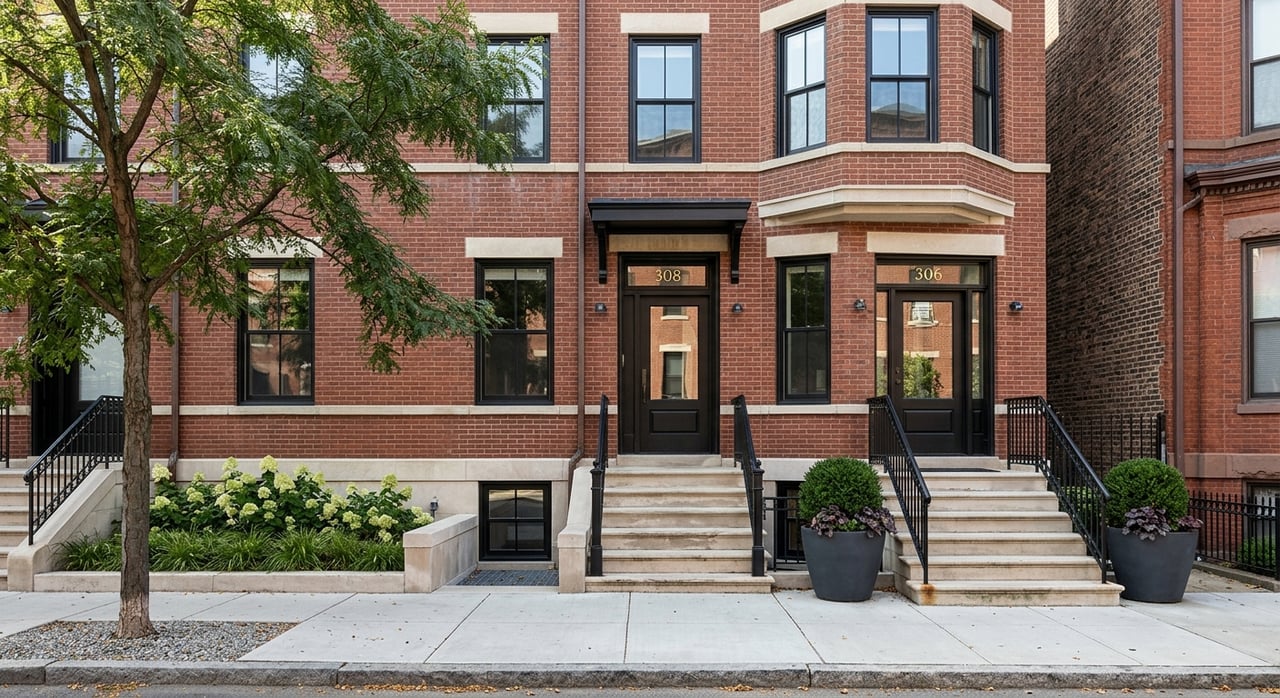
Park Slope has a housing mix that makes this decision especially important. City planning materials describe the neighborhood as predominantly residential, and the area includes one of New York City’s earliest and largest historic districts. That historic fabric shapes what it feels like to own here.
The neighborhood is also anchored by Prospect Park, which NYC Parks lists at 526.25 acres. Combined with the area’s rowhouses, brownstones, and flats buildings, that gives Park Slope a long-term residential feel that draws buyers who want stability, lifestyle, and strong neighborhood identity.
Recent market snapshots also show that Park Slope remains a premium Brooklyn market. StreetEasy shows a median sale price of $1.7 million and median days on market of 55 days, with recent median asking prices around $2.0 million in January 2026 and $1.8 million in March 2026. In simple terms, you are deciding between two ownership styles in a neighborhood where buyers tend to be intentional.
Park Slope townhouse vs condo at a glance
For many buyers, the core question is simple: do you want more control or more convenience? A townhouse usually offers fuller control over the building and more private space. A condo often offers a more managed day-to-day experience with shared building oversight.
The current Park Slope listing mix also highlights a clear price gap. Condo listings can appear around the $1 million to $1.4 million range for smaller units, while larger townhouse-style offerings can reach $5 million or more. StreetEasy also notes that Park Slope brownstones can easily command $3 million or more.
Here is the practical difference:
| Option | Typical appeal for long-term living | Main tradeoff |
|---|---|---|
| Townhouse | More privacy, more control, potential for private outdoor space | More direct maintenance and repair responsibility |
| Condo | Lower day-to-day exterior upkeep, shared management | Less control over building-wide decisions |
Why a townhouse appeals long term
More control over your property
A townhouse gives you a different kind of ownership experience. You are not just buying an apartment within a building system. In many cases, you are taking on responsibility for the building itself.
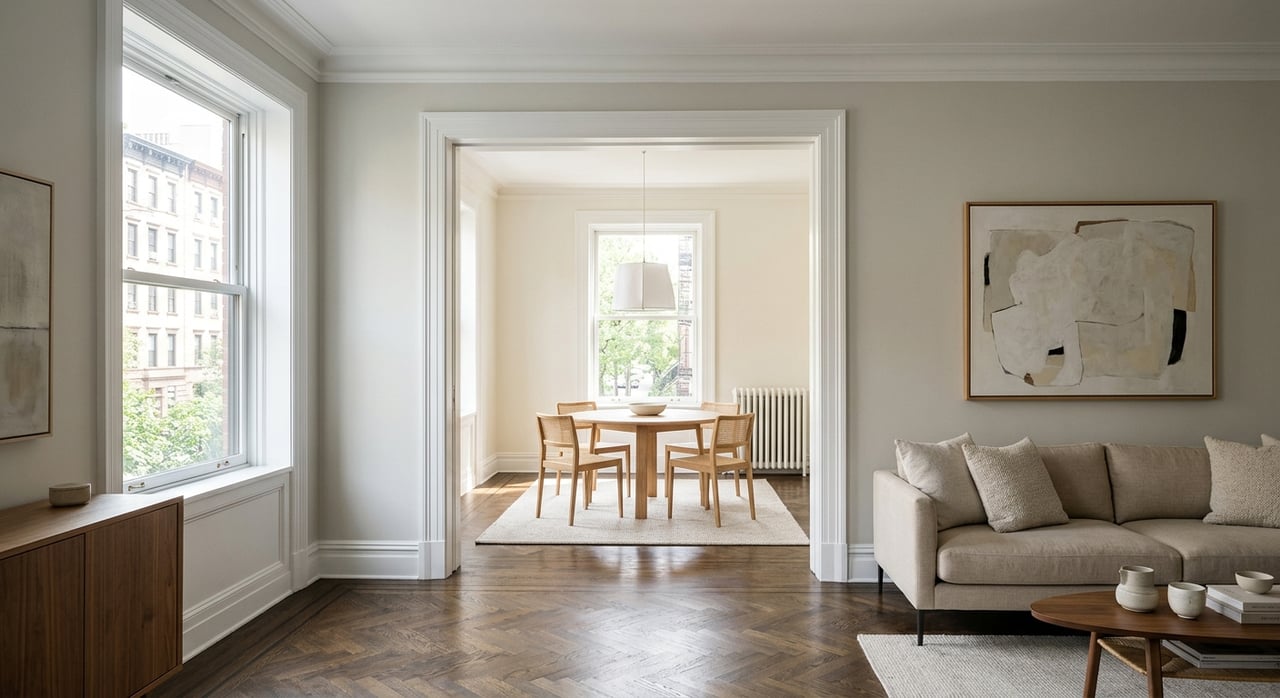
That level of control can be very attractive if you want to shape your home over time. You may value having your own stoop, basement, yard, rooftop area, or a layout that feels more like a private house than a shared building residence.
More privacy and independent living
Many long-term buyers are drawn to the privacy that comes with townhouse living. Fewer shared walls, no condo board managing common hallways, and a full-building ownership experience can feel more settled and personal.
In Park Slope, that appeal is reinforced by the neighborhood’s rowhouse character. The area’s historic residential streets make townhouse ownership feel especially tied to the classic Park Slope lifestyle.
More maintenance responsibility
The flip side is responsibility. In New York City, property owners are responsible for installing, repairing, and maintaining the sidewalks adjoining their properties, according to NYC DOT. The city also notes that sidewalk violations can complicate a sale or refinance.
That means townhouse ownership can demand more time, more planning, and sometimes more surprise costs over the years. You are closer to every issue involving the exterior and physical condition of the property.
Historic district rules matter
This is especially important in Park Slope because so many properties fall within landmarked areas. The Landmarks Preservation Commission requires permits for exterior work in historic districts, even when Department of Buildings approval is not otherwise required.
If you are the kind of buyer who wants renovation freedom, this is a point to think through carefully. Park Slope’s historic character is a big part of its appeal, but preserving that character can also add friction to exterior changes and repairs.
Why a condo appeals long term
Less direct exterior upkeep
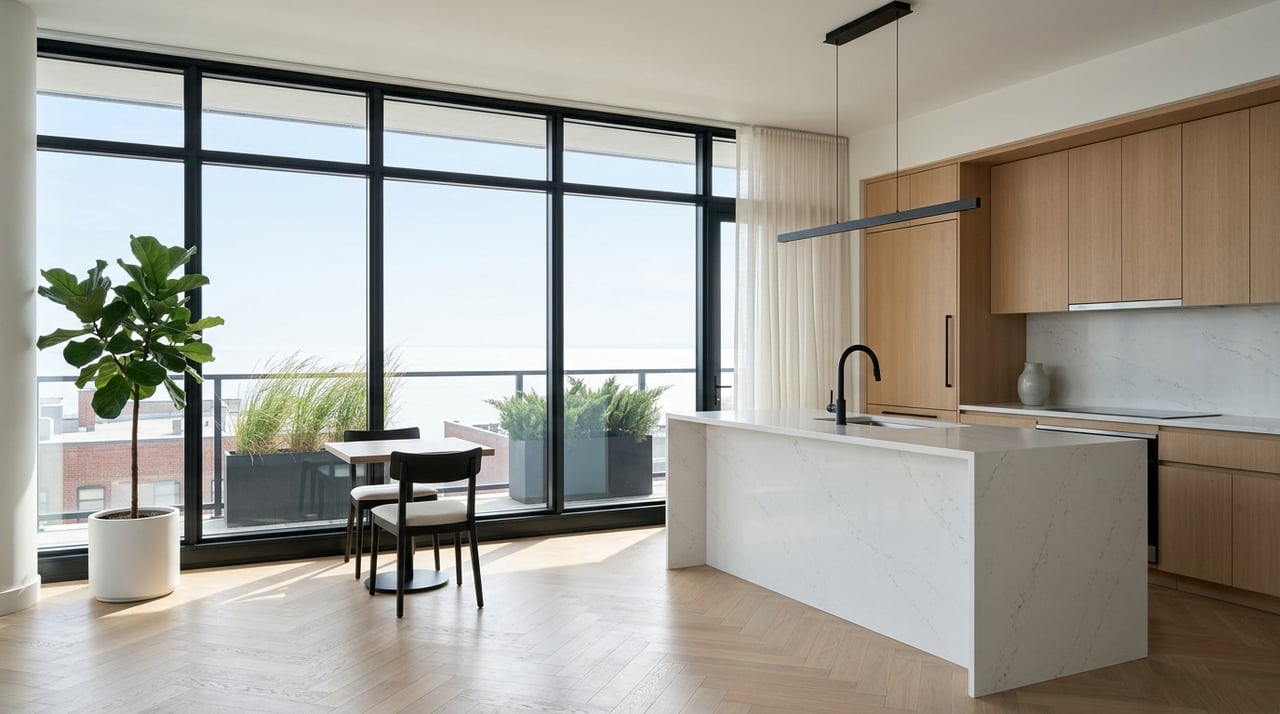
A condo can be a strong fit if you want a simpler ownership experience. In a condominium, you own your unit plus an undivided interest in the common elements, while the board governs the shared parts of the building.
That setup usually means you are not personally handling roof work, façade maintenance, hallways, or other common systems. For many busy buyers, that can make long-term living feel more manageable.
Shared governance changes the experience
Convenience does not mean zero responsibility. The New York State Attorney General explains that condo boards manage the common elements and building administration, funded by common charges and assessments paid by owners.
So while you may avoid direct exterior upkeep, you are also relying on the board’s decision-making and the building’s finances. Over a long holding period, that can matter just as much as your own monthly budget.
Financial review is essential
The Attorney General advises buyers to review the offering plan, board minutes, and financial reports. That is especially important in existing buildings, where major work can involve façades, roofs, elevators, plumbing, boilers, or electrical systems.
For long-term condo living, this is one of the biggest due diligence points. A building that feels easy today may still face major capital projects later, and those costs can affect your monthly carrying costs through assessments or higher common charges.
Outdoor space and lifestyle differences
Outdoor space often becomes more important the longer you stay in a home. If you picture gardening, dining outside, or simply having more separation from neighbors, a townhouse may line up more naturally with that lifestyle.
In Park Slope, private outdoor space is generally more associated with townhouse ownership. Condo outdoor space is much more building-specific, and it should never be assumed.
The New York State Attorney General specifically warns that amenities such as rooftop cabanas, landscaping, and other extras must be spelled out in the offering plan. If they are not promised there, they are not guaranteed.
That makes outdoor space a key checkpoint for condo buyers. If your long-term plan depends on a terrace, roof access, or shared outdoor features, verify exactly what comes with the unit and what rules apply.
Resale potential over time
Long-term living still includes an eventual exit strategy. Even if you expect to stay for many years, it helps to think about who your future buyer may be.
Current Park Slope market data suggests both property types can sell in the right price range. The neighborhood’s 55-day median days on market points to an active market, but the buyer pool can differ by product type.
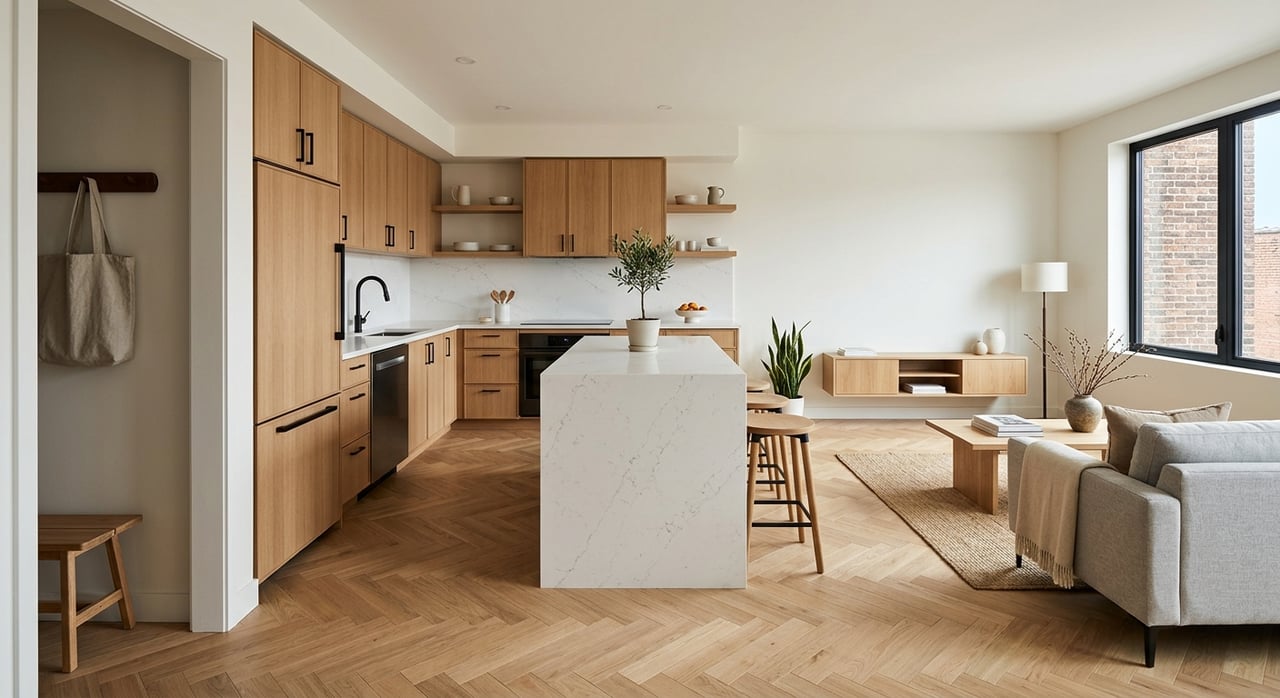
Condos generally sit at a lower entry point, which can support a broader future buyer pool. Townhouses usually attract a narrower group of buyers who specifically want full-building ownership, more autonomy, and often a higher price point.
That does not make one better than the other. It simply means your resale path may look different. If you value wider buyer appeal, a condo may feel easier to position later. If you value scarcity and the distinct Park Slope townhouse experience, a townhouse may still be the stronger fit for your goals.
Questions to ask before you decide
Before you choose, it helps to pressure-test your decision against daily life, not just the listing photos. Here are a few questions worth asking yourself:
- How much time and money do you want to devote to maintenance over the next decade?
- Do you want full control over your property, or would you rather have building systems managed by a board?
- How important is private outdoor space to your lifestyle?
- Are you comfortable navigating historic district permit requirements for exterior work?
- Are you planning to stay long enough to justify paying more for townhouse ownership?
- When you eventually sell, do you want the broader buyer pool that often comes with a condo price point?
Which option fits your long-term plan?
If you want privacy, autonomy, and the classic Park Slope full-home experience, a townhouse may be worth the added cost and responsibility. It can offer a deeply personal way to live in the neighborhood, especially if outdoor space and control matter to you.
If you want a more predictable ownership structure, less direct exterior upkeep, and a lower entry point into Park Slope, a condo may be the smarter long-term move. It can still offer strong lifestyle value, but with more shared governance and less hands-on responsibility.
In the end, the best choice depends on how you want your home to function over time. In a neighborhood like Park Slope, where housing stock, historic rules, and pricing all shape the ownership experience, the right answer is usually the one that matches both your lifestyle and your tolerance for responsibility.
If you are comparing Park Slope homes and want a more analytical breakdown of pricing, ownership tradeoffs, and long-term fit, Iryna Ferenets can help you evaluate the options with clarity.
FAQs
Is a Park Slope townhouse better than a condo for long-term living?
- A Park Slope townhouse may be better for you if you want more privacy, control, and potentially more private outdoor space, while a condo may be better if you want less direct exterior maintenance and a lower entry point.
What maintenance responsibilities come with a Park Slope townhouse?
- Park Slope townhouse owners are more directly responsible for the property’s physical upkeep, including adjoining sidewalks, and exterior work may require permits in historic districts.
How does condo ownership work in Park Slope?
- In a Park Slope condo, you own your unit and a shared interest in the building’s common elements, while the condo board manages building-wide administration funded by common charges and assessments.
Is outdoor space easier to get with a Park Slope townhouse or condo?
- Outdoor space is generally more naturally associated with townhouse ownership in Park Slope, while condo outdoor space depends on the specific building and should be confirmed in the offering plan.
Are Park Slope condos easier to resell than townhouses?
- Park Slope condos may appeal to a broader buyer pool because they often have lower entry prices, while townhouses tend to attract buyers specifically seeking full-building ownership at higher price points.
Why do historic district rules matter for Park Slope buyers?
- Historic district rules matter because many Park Slope properties are landmarked, and exterior changes may require permits from the Landmarks Preservation Commission, which can affect renovation plans and timelines.